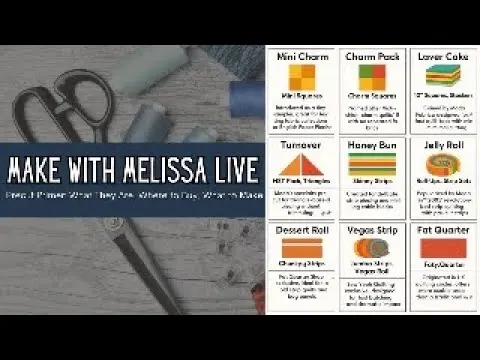
 A Comprehensive Primer on Using Precut Fabrics
#Quilting Basics
4 ideas
A Comprehensive Primer on Using Precut Fabrics
 Step-by-Step Simple Themed Patchwork Quilt for Beginners
 Complete Guide to Finishing and Binding Your First Quilt Top
 Introduction to Essential Fabric Cutting Skills for Quilters
Get new #Quilting Basics ideas by email
Every Thursday: the week's best ideas, with the newest from #Quilting Basics.
Related tags
Quilting Basics: A Gentle Introduction
What quilting is
Quilting is the craft of making a padded textile by joining three layers together: a quilt top, a layer of batting in the middle, and a backing on the back. The top is often made from fabric pieces sewn into blocks, strips, or other patchwork designs, though it can also be a single whole piece of fabric. The quilting stitches hold the layers in place and create the familiar textured surface.
Quilting has a long history in many cultures. It has been used for warmth, comfort, decoration, and storytelling, and it remains popular because it combines usefulness with creativity. A quilt can be simple or intricate, practical or decorative, but the basic structure stays the same.
Getting started with the essentials
Read more
If you are new to quilting, begin with a small project and simple shapes. Squares and rectangles are the easiest pieces to cut and sew accurately. You do not need to start with a large bed quilt; a table runner, baby quilt, or wall hanging can teach you the same skills with less fabric and time.
The main supplies are straightforward:
- Fabric for the quilt top, backing, and binding
- Batting for the middle layer
- Thread
- A sewing machine or needle for hand sewing
- Cutting tools, a ruler, and a pressing iron
Choose woven cotton fabric if you want a dependable beginner-friendly option. It is easy to cut, press, and sew, and it usually behaves well for patchwork.
Basic techniques you should know
The first skill in quilting is accurate cutting. Straight edges and consistent seam allowances help your pieces fit together neatly. Pressing is just as important as sewing; pressing seams flat or to one side helps the quilt top lie smoothly and makes matching points easier.
Piecing is the process of sewing fabric pieces into blocks or sections. Beginners often start with repeated units such as squares, half-square triangles, or simple strip sets. Keep your sewing steady, and check your measurements often.
Once the quilt top is finished, you assemble the quilt sandwich by layering the backing, batting, and top. Basting holds these layers together temporarily before quilting. You can baste with pins, thread, or another method that suits your project.
Quilting and finishing
Quilting refers to the stitching that joins the layers. It can be done by hand or machine. Straight-line quilting is one of the simplest options and works well for beginners. More decorative quilting patterns are possible later, but simple lines are often the easiest way to begin.
After quilting, the edges are trimmed and finished with binding, a strip of fabric that frames the quilt and encloses the raw edges. Binding may seem like a small step, but it has a big effect on the finished look and durability of the quilt.
Helpful beginner tips
- Start with a project that feels manageable.
- Measure carefully and sew consistently.
- Press as you go instead of waiting until the end.
- Use a design that allows for small mistakes.
- Do not worry about perfection; quilting improves with practice.
Most of all, give yourself time. Quilting is a skill that grows steadily, and every finished piece teaches you something useful for the next one.
#Quilting Basics: frequently asked questions
How do I start quilting as a beginner?
Start with a small project and simple shapes so you can focus on learning the basics without feeling overwhelmed. A table runner, baby quilt, or wall hanging is a good first choice because it uses the same core skills as a larger quilt, just on a smaller scale.
What supplies do I need to make a quilt?
The basic supplies are fabric for the top, backing, and binding, batting for the middle, thread, a sewing machine or hand-sewing needle, and cutting and pressing tools. You may also want a ruler, pins, and something to help baste the layers together before quilting.
What kind of fabric is best for a first quilt?
A woven cotton fabric is usually the easiest choice for beginners because it cuts, presses, and sews well. It also behaves predictably for patchwork, which makes it helpful when you are still practicing accuracy.
What is the easiest quilting style to learn first?
Simple straight-line quilting is one of the easiest ways to begin because it is clean, forgiving, and works well on many projects. Many beginners also start with squares, rectangles, or simple strip sets since they are easier to cut and piece neatly.
What are common mistakes to avoid when quilting?
A few common mistakes are cutting uneven pieces, skipping pressing, and rushing the piecing stage. It also helps not to start with a project that is too large, since a smaller quilt lets you practice and correct mistakes more easily.
How do you finish the edges of a quilt?
After quilting, the edges are trimmed and finished with binding, which frames the quilt and covers the raw edges. Binding may be one of the last steps, but it makes a big difference in both the look and durability of the finished piece.
Videos come from YouTube and posts from Instagram; titles and summaries are our own. All rights belong to their creators.