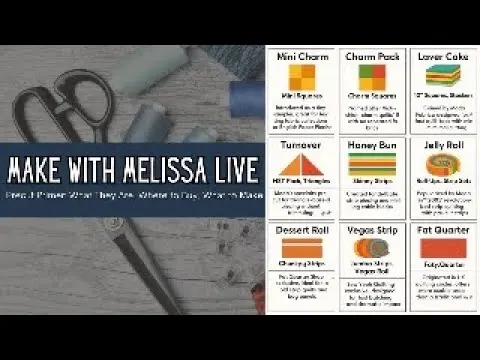
 A Comprehensive Primer on Using Precut Fabrics
#Fabric Stash
3 ideas
A Comprehensive Primer on Using Precut Fabrics
 Five Patterns to Sew with Your Layer Cake Stash
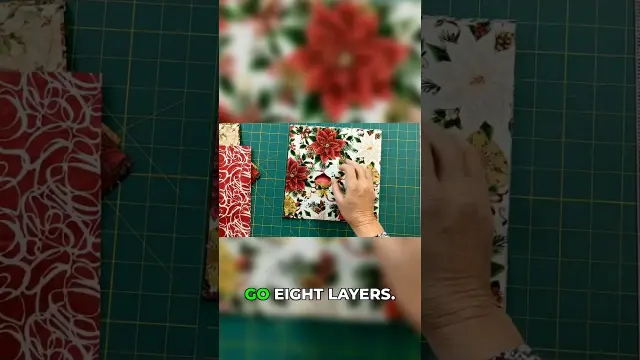 Quick and Waste-Free Precut Fabric Cutting Guide
Get new #Fabric Stash ideas by email
Every Thursday: the week's best ideas, with the newest from #Fabric Stash.
Related tags
Fabric Stash Guide for Sewing and Crafting
A fabric stash is the collection of fabrics you keep for future sewing, quilting, mending, and craft projects. It often grows little by little: a favorite print left over from a dress, a bundle bought for a special project, a remnant rescued from another job, or scraps too lovely to throw away. For many makers, a stash is both practical and personal. It holds materials you may need later, but it also reflects your taste, your skills, and the kinds of projects you enjoy.
What a fabric stash is for
A stash gives you flexibility. It lets you start making without always shopping first, and it can help you work more economically by using what you already have. It is especially useful for quilting, patchwork, doll clothes, small bags, home projects, and repairs, where you often need only modest amounts of fabric. A well-kept stash can also inspire new ideas, because seeing colors, textures, and prints together often suggests combinations you might not have planned.
Common kinds of stash fabrics
Read more
Many fabric stashes include a mix of:
- Leftovers from completed garments or home-sewing projects
- Fat quarters, half meters, or other small cuts bought for future use
- Remnants from stores or workshops
- Scraps from cutting patterns or testing techniques
- Special fabrics saved for a particular occasion
Some people organize by fiber or use, such as cottons, knits, linens, or dressmaking fabrics. Others sort by color, size, or project type. There is no single correct system; the best one is the one that helps you find what you need.
How to keep a stash useful
The biggest challenge with a fabric stash is not having enough fabric, but having too much that is hard to use. A good stash is tidy enough to browse and honest enough to reveal what you actually own. Try to keep fabrics folded neatly, protected from dust and damp, and grouped in a way that makes sense to you. If possible, label containers or shelves so you can quickly see what is there.
It also helps to review your stash now and then. Set aside pieces that are too small for your usual projects, and use them for patchwork, appliqué, stuffing, practice seams, or gift wrap. If a fabric no longer suits your style, consider passing it on so it can be used well by someone else.
Practical tips for beginners
If you are just starting a fabric stash, begin with intention. Choose fabrics you genuinely like and that match the kinds of projects you make most often. A useful stash is not necessarily large; it is well chosen.
- Keep a small notebook or phone list of what you have.
- Store similar weights together so fabrics are easier to compare.
- Save larger scraps flat when possible to reduce wrinkles.
- Buy for a project when you can, then keep the leftovers organized.
- Use older fabrics first so they do not sit unused for years.
A fabric stash should support your making, not overwhelm it. When it is cared for thoughtfully, it becomes a quiet source of possibility, ready whenever you are.
#Fabric Stash: frequently asked questions
How do I start a fabric stash if I’m new to sewing?
Start with fabrics you genuinely like and that suit the kinds of projects you make most often. Save leftovers from finished projects, add a few useful cuts over time, and keep a simple list so you know what you already have.
What fabrics should I keep in a stash?
A good stash usually includes leftovers, scraps, remnants, and small cuts saved for later use. Many people also keep special fabrics for planned projects, along with versatile basics like cottons, knits, linens, or dressmaking fabrics.
How should I organize my fabric stash so I can actually use it?
Organize it in the way that makes searching easiest for you, whether by fiber, color, size, or project type. Keep fabrics folded neatly, protected from dust and damp, and label shelves or containers if that helps you find things quickly.
What kinds of projects are fabric stashes especially useful for?
Fabric stashes are especially handy for quilting, patchwork, doll clothes, small bags, home projects, and repairs, since these often need only small amounts of fabric. They are also great for trying combinations of color and print before starting a bigger project.
How do I care for fabric in a stash so it stays usable?
Store fabric in a clean, dry place and avoid letting it sit crumpled for too long. Review it occasionally, use older pieces first, and set aside very small scraps for patchwork, practice seams, stuffing, or other small uses.
Videos come from YouTube and posts from Instagram; titles and summaries are our own. All rights belong to their creators.