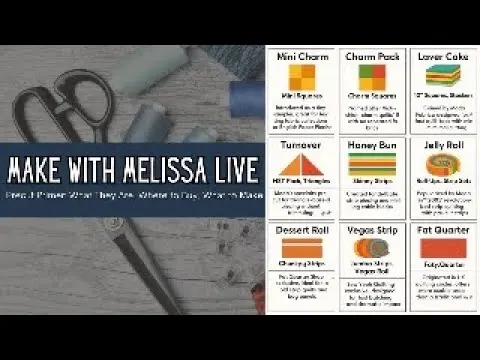
 A Comprehensive Primer on Using Precut Fabrics
#Crafting Ideas
1 ideas
A Comprehensive Primer on Using Precut Fabrics
Get new #Crafting Ideas ideas by email
Every Thursday: the week's best ideas, with the newest from #Crafting Ideas.
Related tags
Crafting Ideas and Creative Project Basics
What crafting ideas are
Crafting ideas are simple or ambitious plans for making something by hand. They can lead to decorations, gifts, practical household items, seasonal pieces, children’s activities, or personal keepsakes. The phrase covers many different handmade traditions, from sewing and paper crafts to knitting, embroidery, collage, clay work, and recycled projects.
At heart, crafting is about turning ordinary materials into something useful or beautiful. Some crafts are rooted in long-standing folk traditions, while others grow from modern hobby culture, school projects, or do-it-yourself home making. Whatever the style, the appeal is the same: you get to create something personal with your own hands.
Where crafting ideas come from
Read more
Craft ideas often begin with a material, a purpose, or a feeling. You might start with scraps of fabric, a box of paper offcuts, leftover yarn, natural objects, or things already in your home. You might also begin with a need, such as a birthday card, a storage basket, a wall hanging, or a handmade gift.
Many ideas come from traditional techniques that have been passed down over time. Others come from combining familiar methods in new ways. A beginner-friendly craft can be as simple as decorating a jar, folding paper into shapes, or stitching a small pouch. More advanced projects may involve pattern-making, surface design, or layered construction.
Common kinds of crafts
Crafting ideas can be grouped by materials and techniques:
- Paper crafts: card making, scrapbooking, origami, quilling, collage
- Textile crafts: sewing, embroidery, knitting, crochet, patchwork
- Decorative crafts: wreaths, ornaments, painted objects, beading
- Recycled crafts: upcycling jars, boxes, clothing, and packaging
- Soft crafts: felt projects, stuffed figures, fabric accessories
- Nature-based crafts: pressed flowers, dried arrangements, shell or leaf projects
Each type has its own tools and methods, but all benefit from the same basic habits: planning, patience, and neat finishing.
What beginners should know
If you are new to crafting, start small. Choose one project with a clear result and only a few materials. Simple designs are often the best way to learn cutting, measuring, gluing, stitching, or assembling without feeling overwhelmed.
It also helps to read the whole project through before beginning. Gather everything first, then work step by step. Leave a little extra time for mistakes, because handmade work rarely goes perfectly on the first try. That is part of the process.
Practical tips for better results
- Keep a small box of useful basics such as scissors, glue, needles, thread, tape, and pencils.
- Use good lighting and a clean surface so your work is easier to control.
- Save fabric scraps, ribbons, paper pieces, and buttons for future projects.
- Practice new stitches or folds on test pieces before using your final materials.
- Finish edges neatly, even on simple crafts, because that makes the result look more complete.
- Choose projects you genuinely enjoy, not just ones that look impressive.
The best crafting ideas are the ones you can actually finish and use. Once you understand a few basic techniques, you can mix them freely and develop your own style, one handmade project at a time.
#Crafting Ideas: frequently asked questions
How do I start crafting if I've never made anything before?
Begin with a single small project that has a clear, achievable result and only a handful of materials, so you can focus on learning basic skills like cutting, measuring, gluing or stitching. Read the whole project through before you pick anything up, gather your supplies first, then work step by step. Expect the first attempt to be imperfect, because that is simply how handmade work goes.
What supplies should I keep on hand for crafting?
A modest box of everyday basics covers most projects: scissors, glue, needles and thread, tape and a pencil. Beyond that, keep good lighting and a clean, uncluttered surface, since these do more for your results than fancy tools. Hold on to scraps of fabric, ribbon, paper and spare buttons, as they often become the starting point for the next project.
Which kind of craft should I choose to begin with?
Think about what draws you in—whether that is paper, fabric, yarn, natural materials or objects you would otherwise throw away—and pick the type that matches. Paper crafts and simple decorative projects tend to be forgiving for newcomers, while sewing, knitting and clay work reward a bit more patience and practice. Choose something you genuinely enjoy rather than something that merely looks impressive, because you are far more likely to finish it.
What mistakes do beginners usually make?
The most common slip is starting with a project that is too large or needs too many materials, which quickly becomes overwhelming. Rushing the finishing is another frequent problem, since neat edges and tidy assembly are what make simple work look complete. Practising new stitches or folds on a spare piece before committing to your final materials prevents a great deal of frustration.
Can I make handmade gifts and decorations for a particular occasion?
Yes, and starting from the occasion is often the easiest way to choose a project: a card, a small pouch, a wreath, an ornament or a decorated jar all suit a specific moment without demanding advanced skills. Working backwards from the purpose also tells you what materials you need and how durable the piece should be. Handmade gifts carry a personal quality that a bought item rarely matches.
How do I look after handmade items so they last?
Care depends on the material, so treat paper, fabric, yarn and natural elements differently—keep paper and pressed flowers away from damp and direct sun, and store soft crafts folded rather than crushed. Handle decorative pieces gently and store them somewhere dry and dust-free between seasons. Checking how a piece is made before you clean it will protect the work you put into it.
Videos come from YouTube and posts from Instagram; titles and summaries are our own. All rights belong to their creators.