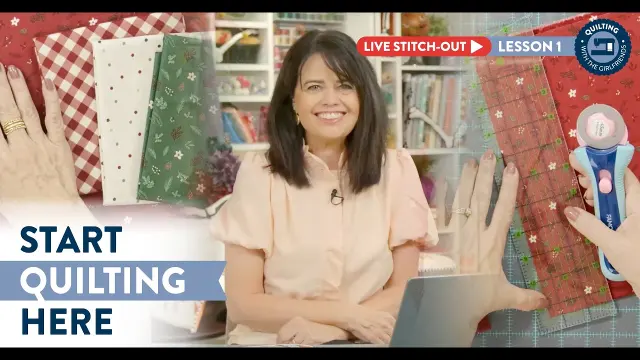
 Introduction to Essential Fabric Cutting Skills for Quilters
#Craft Skills
1 ideas
Introduction to Essential Fabric Cutting Skills for Quilters
Get new #Craft Skills ideas by email
Every Thursday: the week's best ideas, with the newest from #Craft Skills.
Related tags
Craft Skills: A Guide to Creative Basics
Craft skills are the basic hands-on abilities that let you make, mend, decorate, and transform materials into useful or beautiful objects. They include everything from measuring, cutting, and joining to stitching, gluing, folding, shaping, and finishing. People have used craft skills for centuries in everyday life, from making clothing and household items to creating gifts, keepsakes, and decorative pieces.
At their heart, craft skills are about control, patience, and familiarity with materials. Each craft has its own traditions and tools, but the core ideas are often the same: work carefully, follow a process, and learn how a material behaves before expecting perfect results. Whether you enjoy sewing, paper crafts, embroidery, card making, patchwork, clay work, or general DIY projects, the same foundations will help you build confidence.
Common types of craft skills
- Measuring and marking: knowing how to mark out shapes accurately before you cut or assemble.
- Cutting: using scissors, craft knives, rotary cutters, or snips safely and neatly.
- Joining: stitching, gluing, tying, taping, stapling, or assembling pieces together.
- Shaping: folding, molding, pleating, pressing, or trimming materials into form.
- Finishing: smoothing edges, securing loose ends, cleaning up excess glue, or adding final details.
Read more
Some crafts rely more on precision, such as sewing or paper craft. Others are more flexible and forgiving, such as collage or hand-built crafts. Many projects combine several skills at once.
What beginners should know
If you are just starting, focus on the basics rather than trying to do everything at once. Good craft skills usually grow from simple repetition. It helps to begin with small projects that let you practice one or two techniques at a time.
- Start with easy materials that are pleasant to handle.
- Keep your tools sharp, clean, and suitable for the job.
- Work on a flat, well-lit surface.
- Measure twice before cutting.
- Practice on scraps before using your best materials.
- Be patient with uneven edges, wobbly stitches, or small mistakes; these are part of learning.
Practical tips for improving
The best way to improve craft skills is to slow down and pay attention to process. Notice how different materials behave: some stretch, some fray, some crack, and some need support before they will hold their shape. If you are sewing or working with fabric, for example, accurate cutting makes later steps much easier. In paper and card crafts, neat scoring and folding can make a project look far more polished.
A few habits can help you progress:
- Keep your workspace organized so tools are easy to find.
- Save offcuts and practice pieces for testing.
- Learn one technique thoroughly before moving to the next.
- Finish projects, even simple ones, so you build confidence and consistency.
Craft skills are not only about making things; they are also about learning to trust your hands. As you practice, you develop a better eye for proportion, texture, and detail. That is what makes a handmade piece feel thoughtful and personal.
#Craft Skills: frequently asked questions
How do I get started with craft skills if I have never made anything before?
Pick one simple project you actually want to finish and let that guide what you learn first, rather than trying to master every technique at once. Begin with materials that are cheap, forgiving, and pleasant to handle, so mistakes cost you little and you can focus on the motion of the work. Repeat the same small project a few times; familiarity with your hands grows faster through repetition than through reading.
What basic tools and setup do I need before starting a craft project?
You mainly need a clean, flat, well-lit surface and a small set of cutting and measuring tools that are sharp and in good condition. Add a container or tray so your tools have a fixed home, which saves time and keeps the work area clear while you work. Beyond that, let the project decide: buy only what the specific craft calls for instead of stocking up on everything at once.
How do I choose which kind of craft suits me?
Think about whether you enjoy precision or freedom more, since some crafts reward careful measuring while others welcome loose, improvised work. Then consider the material itself: fabric, paper, or clay each behaves very differently in the hand, and most people stick with the one they find satisfying to touch. Trying a single small piece in a couple of different crafts will tell you more than comparing them in the abstract.
What are the most common mistakes beginners make?
Rushing the preparation is the big one, cutting before shapes are properly marked or skipping a test on scrap material and going straight to the good stuff. Another is abandoning projects halfway, which stops you from ever seeing how a technique resolves and leaves you without the confidence that comes from finishing. Slightly uneven edges or loose stitches are not really mistakes; they are the normal texture of learning and usually disappear with practice.
How should I look after handmade items and my craft supplies?
Store finished pieces away from direct sunlight and damp, and handle them gently at the edges and joins, which are the parts most likely to fail first. Keep tools dry and clean, sharpen or replace cutting edges when they start to drag rather than tear, and keep glue and adhesives sealed so they do not set in the container. Offcuts and practice pieces are worth keeping in a box, since they are useful for testing a technique before you commit your better materials.
Do you have ideas for craft projects to give as gifts or make for a special occasion?
Small, personal items tend to work best, because they let you show care through detail rather than scale: a stitched pouch, a folded card, a patchworked cushion cover, or a simple hand-built clay piece. Match the project to the person and to the time you realistically have, since a modest thing finished well reads as more thoughtful than an ambitious one left incomplete. Adding a hand-written note about how it was made often means more to the recipient than the object itself.
Videos come from YouTube and posts from Instagram; titles and summaries are our own. All rights belong to their creators.