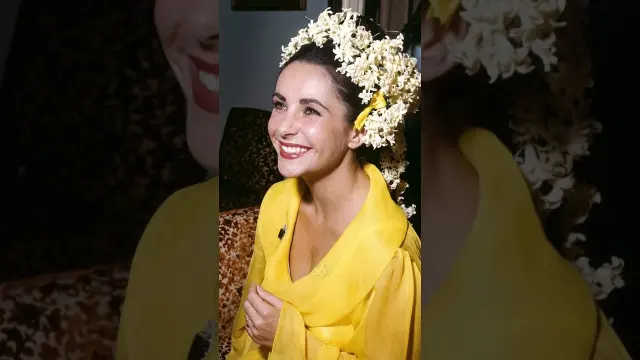
 Recreating Elizabeth Taylor's Eight Iconic Hollywood Marriages
#Classic Cinema
1 ideas
Recreating Elizabeth Taylor's Eight Iconic Hollywood Marriages
Get new #Classic Cinema ideas by email
Every Thursday: the week's best ideas, with the newest from #Classic Cinema.
Related tags
Classic Cinema
What classic cinema means
Classic cinema usually refers to the films that shaped the early and middle years of movie history, especially the era before modern digital filmmaking. It includes silent films, early sound films, studio-era dramas, comedies, musicals, thrillers, and romantic stories that still influence how movies are made today. For many viewers, classic cinema is not only about age, but about a certain way of telling stories: elegant, expressive, and often more focused on dialogue, atmosphere, and character than on fast-paced editing.
Where it comes from
Cinema began as a visual novelty and quickly became a storytelling art form. In the silent era, filmmakers relied on gesture, framing, intertitles, and music to guide the audience. When sound arrived, films changed again, bringing new possibilities for dialogue, song, and performance. Over time, studio systems, star culture, and genre traditions helped define what we now think of as classic cinema. Different countries developed their own traditions too, so the term covers more than one style or language.
Read more
Common styles and genres
Classic cinema is broad, but a few styles appear often:
- Silent films, which use visual storytelling and expressive acting
- Screwball comedies, known for quick wit and lively misunderstandings
- Melodramas, which focus on strong emotion, family tension, or romance
- Musicals, where songs and choreography are part of the story
- Film noir, with shadows, moral tension, and crime-driven plots
- Historical and costume dramas, often rich in setting and detail
- Studio-era romances and adventures, which tend to be polished and carefully structured
Each style has its own mood, but they often share a strong sense of composition, performance, and craftsmanship.
What to notice as a beginner
If you are new to classic cinema, start by watching with patience. Some films move more slowly than modern movies, and that is part of their rhythm. Try to pay attention to facial expressions, camera placement, lighting, and costume design, because these elements often carry meaning.
A few helpful things to keep in mind:
- Older films may use different pacing and storytelling habits
- Sound, image quality, and color can vary depending on the film’s age and preservation
- Acting styles may feel more theatrical at first, especially in silent or early sound films
- Many classic films are best appreciated in a quiet setting where you can follow the details
Why it still matters
Classic cinema remains influential because it helped establish the grammar of film. Many modern directors, writers, and designers borrow from its visual language, character types, and storytelling patterns. Beyond influence, these films also offer a window into different social values, fashion, interiors, and everyday dreams of the past.
Tips for enjoying classic films
- Start with a genre you already enjoy, such as romance, mystery, or comedy
- Give a film a little time before deciding whether it works for you
- Notice the music and silence, not just the dialogue
- Watch with curiosity rather than expecting modern pacing or effects
Classic cinema can feel like a conversation across time. If you approach it with an open mind, you may find that its stories, style, and emotion remain surprisingly vivid.
Videos come from YouTube and posts from Instagram; titles and summaries are our own. All rights belong to their creators.