 Exploring the Benefits and Uses of Azelaic Acid
#Clear Skin
2 ideas
Exploring the Benefits and Uses of Azelaic Acid
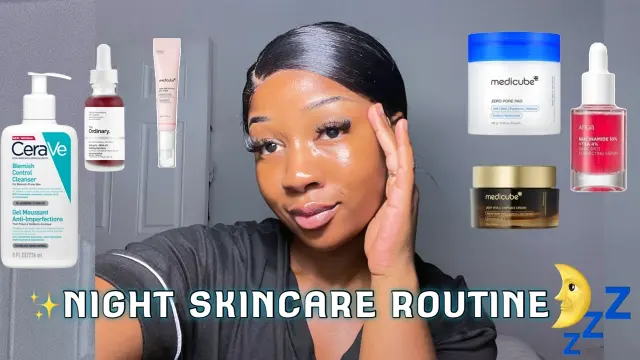 Current Night Skincare Routine for Smooth and Glowy Skin
Get new #Clear Skin ideas by email
Every Thursday: the week's best ideas, with the newest from #Clear Skin.
Related tags
Clear Skin: A Simple Guide to Healthy-Looking Skin
What clear skin means
Clear skin usually means skin that looks calm, smooth, and balanced, with fewer breakouts, less visible congestion, and an even tone. It does not mean skin is perfect or completely free of texture, marks, or the occasional blemish. Most people experience changes in their skin from time to time, and that is normal.
Skin clarity depends on many things at once: your skin type, how well your skin barrier is cared for, your cleansing habits, the products you use, and everyday factors such as stress, sleep, diet, hormones, and the environment. Because of that, there is rarely one single fix. A steady, gentle routine is usually more helpful than trying many strong products at once.
Common causes of breakouts and congestion
Read more
Clear skin is often affected by buildup on the skin’s surface, excess oil, irritation, and clogged pores. Heavy or unsuitable products can sometimes make skin feel congested, while over-cleansing or using too many harsh treatments can leave it dry and reactive. When skin is irritated, it may look red, dull, or uneven.
Different skin types need different care. Oily skin may benefit from lightweight, non-greasy products. Dry skin often needs more moisture and a milder cleanser. Combination skin may need a balanced routine that treats different areas differently. Sensitive skin usually does best with fewer products and simple formulas.
A gentle routine that supports clear skin
A basic routine is often the best place to start:
- Cleanse gently to remove oil, dirt, and makeup without stripping the skin.
- Moisturize to help keep the skin barrier comfortable and protected.
- Use sunscreen during the day to help prevent the look of uneven tone and post-blemish marks from becoming more noticeable.
- Add one targeted treatment at a time if you want to address breakouts, texture, or dark marks.
If you use exfoliating products or treatment ingredients, start slowly. Too much exfoliation can make skin look more irritated rather than clearer. It is usually better to give a product time to work and observe how your skin responds before adding something else.
Helpful habits for everyday clarity
Skincare is only part of the picture. Everyday habits can also support clearer-looking skin:
- Avoid touching or picking at blemishes, which can worsen irritation and leave marks.
- Remove makeup before bed.
- Change pillowcases and towels regularly.
- Keep hair products away from the face if they seem to cause congestion.
- Try to keep a steady sleep and self-care routine.
- Drink enough water and aim for balanced meals, since overall well-being can show in the skin.
What beginners should know
If you are just starting, keep things simple. Choose a cleanser, moisturizer, and sunscreen, then add only one extra product if needed. Patch test new products when possible, especially if your skin is sensitive. Be patient, because skin often needs time to settle into a routine.
If your breakouts are painful, persistent, or affecting your confidence a lot, it can help to speak with a qualified skincare professional or dermatologist. Clear skin is usually built through consistency, not perfection.
Videos come from YouTube and posts from Instagram; titles and summaries are our own. All rights belong to their creators.