 Oahu Scenic Drive from Ho'omaluhia to Lanikai Beach
#Coastal Road
2 ideas
Oahu Scenic Drive from Ho'omaluhia to Lanikai Beach
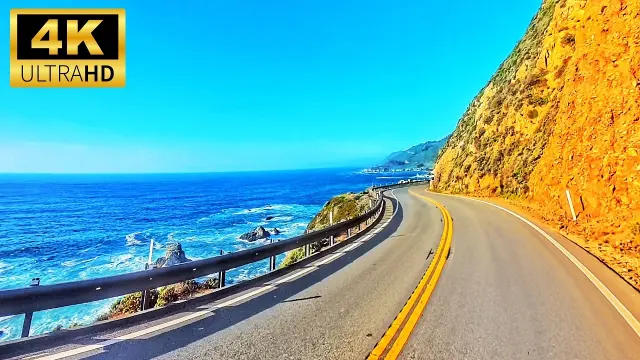 Pacific Coast Highway Drive from Los Angeles to Big Sur
Get new #Coastal Road ideas by email
Every Thursday: the week's best ideas, with the newest from #Coastal Road.
Related tags
Coastal Road Drives: A Guide to Scenic Seaside Routes
A coastal road is a route that runs alongside the sea, following the line where land meets water rather than cutting inland toward a destination. Some are purpose-built scenic highways, laid out deliberately so that the journey matters as much as the arrival. Others are ordinary local roads that happen to hug a shoreline, connecting small fishing villages, harbours and beaches that would otherwise be reached only by boat. Either way, the appeal is the same: the road becomes a slow, continuous view.
Why coastal roads exist
Many were built for practical reasons before they were ever driven for pleasure. Communities living along a coast needed a land connection to the rest of the country, and the most direct way was often to follow the water. In mountainous regions this meant carving a shelf into cliffsides or cutting tunnels through headlands, which is why so many coastal routes are winding, narrow and dramatically placed. As coastal scenery became something people sought out for itself, stretches of these roads were recognised as scenic drives and given viewpoints, lay-bys and interpretation along the way.
Kinds of coastal routes
Read more
- Cliff roads, cut high into headlands with the sea far below and long sightlines along the shore.
- Shoreline roads that run almost at beach level, passing dunes, lagoons and estuaries.
- Peninsula and island loops, where the road traces a coastline and returns on the opposite side.
- Mixed coastal-and-inland routes, linking a coast road to a valley or mountain pass so the drive becomes a circuit rather than an out-and-back.
What to know before you go
Coastal roads are shaped by their setting, and that setting dictates how they should be driven. Weather changes quickly at the shore, and sea fog or wind-blown spray can reduce visibility with little warning. Cliff sections often have no hard shoulder, blind bends and falling-rock warnings, so keeping well within your lane and taking corners gently matters more than on a normal highway. Local traffic — residents going about their day — shares these roads, so it pays to pull over at designated viewpoints rather than slowing abruptly to look.
Distance and time rarely match on a coast road. A route that looks short on a map can take much longer than expected because of curves, gradients and the frequent temptation to stop. Plan fewer miles than you would inland, and allow time to get out of the car.
Practical tips
- Start early; light is softer, traffic is lighter, and you have room for unplanned stops.
- Check fuel and water before long stretches where services may be sparse.
- Use pull-outs and viewpoints for photos rather than stopping on the road itself.
- Carry a layer of warm clothing; exposed coasts are often cooler and windier than inland.
- Download offline maps, as coastal stretches can have patchy signal.
Above all, the coastal road rewards patience. Driven slowly, with room for the occasional pause at a headland or an empty beach, it offers something a fast route never can: the sense of travelling through the landscape rather than past it.
#Coastal Road: frequently asked questions
What exactly is a coastal road, and why do people drive one?
It is a route that follows the shoreline instead of cutting inland toward a destination, whether a purpose-built scenic highway or a local road linking fishing villages, harbours and beaches. The appeal is that the road itself becomes the view, turning the drive into a slow, continuous stretch of sea and landscape rather than a means of getting somewhere.
What should I check before setting out on a coast road?
Look over your fuel, water and warm layers beforehand, since services and shelter can be sparse on exposed stretches. Download offline maps as well, because signal along the shore is often patchy and quick weather changes are normal at the coast.
How do I choose between a cliff road, a shoreline road and a loop route?
Cliff roads sit high on headlands with long sightlines and dramatic drops, while shoreline roads run near beach level past dunes, lagoons and estuaries. Peninsula and island loops bring you back along the opposite coast, and mixed routes pair a coast road with a valley or mountain pass so the drive becomes a circuit rather than an out-and-back.
Are there mistakes people commonly make on coastal drives?
The usual ones are planning too many miles and stopping abruptly on the road to look at the view. Because curves, gradients and constant temptation to pause make distance and time diverge, it is better to plan fewer miles than you would inland and to use designated pull-outs for photos.
What kind of outing suits a coastal road best?
It works well for a leisurely day out rather than a rushed transfer to a specific place — an early start gives softer light, lighter traffic and room for unplanned stops. A picnic at a headland or a walk on an empty beach fits the rhythm of the drive far better than a tight schedule.
How should I drive a coastal road safely?
Stay well within your lane and take corners gently, since cliff sections often have no hard shoulder, blind bends and falling-rock warnings. Remember that residents share these roads, so pull over at viewpoints rather than slowing suddenly, and stay alert for sea fog or wind-blown spray that can cut visibility with little warning.
Videos come from YouTube and posts from Instagram; titles and summaries are our own. All rights belong to their creators.