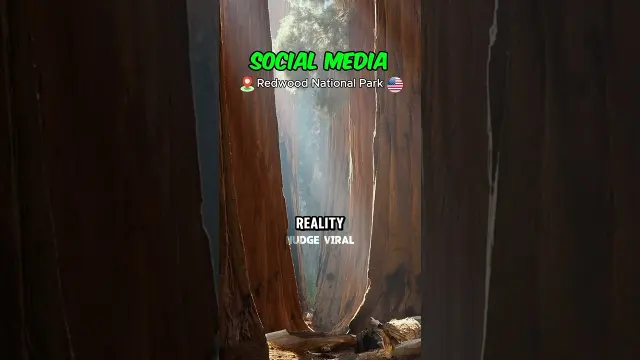
 Driving Through the Giant Trees of the Redwood Forest
#Scenic Drive
14 ideas
Driving Through the Giant Trees of the Redwood Forest
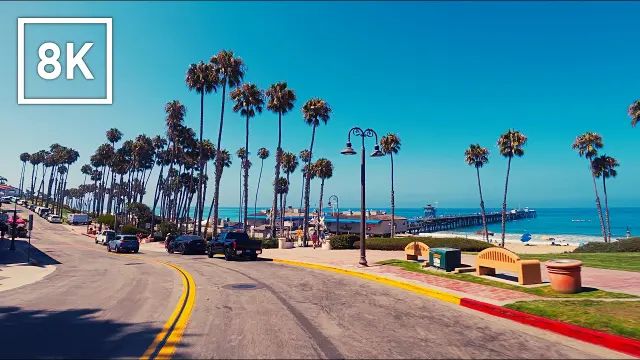 Scenic 8K Drive Along the Pacific Coast With Chill House Music
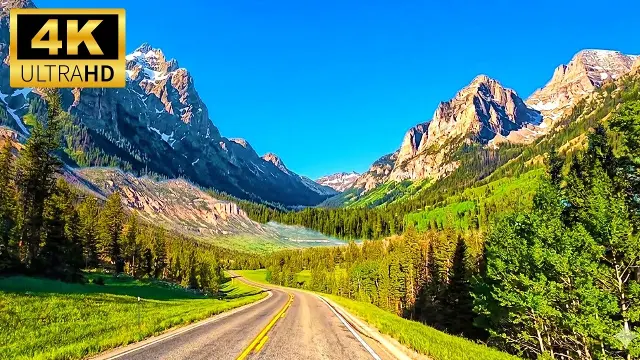 Yellowstone to Beartooth Highway Scenic Mountain Drive
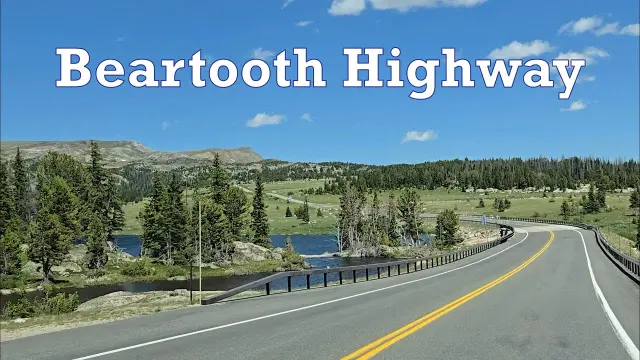 Driving the High-Elevation Beartooth Highway in Montana
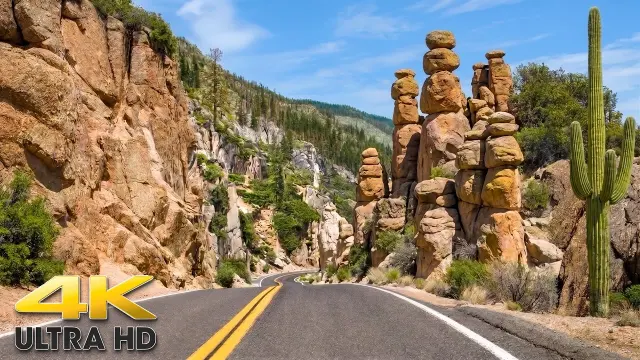 Exploring the Sky Island Scenic Byway on Mount Lemmon
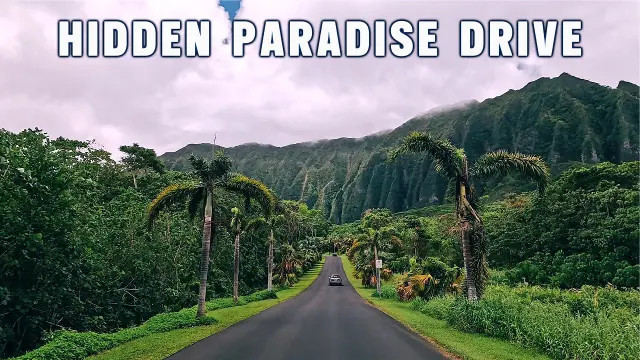 Oahu Scenic Drive from Ho'omaluhia to Lanikai Beach
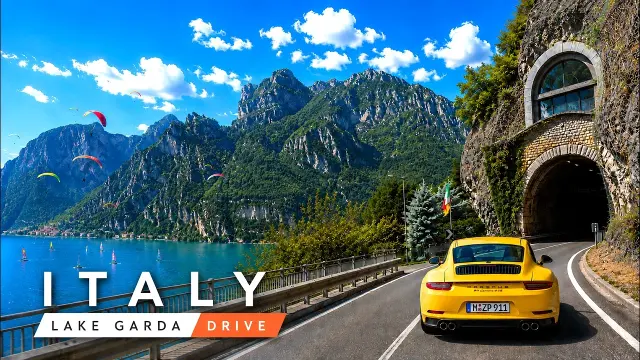 Lake Garda Scenic Drive from Bardolino to Riva del Garda
 Relaxing ASMR Road Trip Through the Scottish Highlands
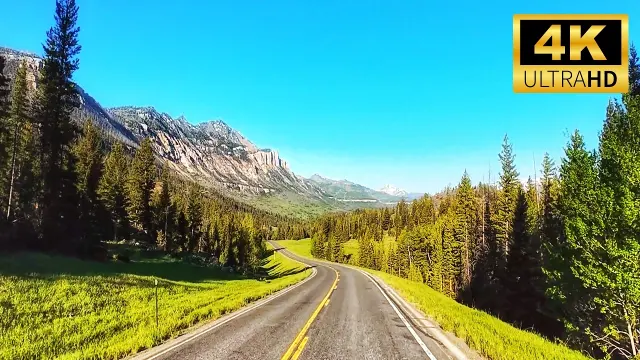 Chief Joseph Scenic Byway Road Trip Through Wyoming
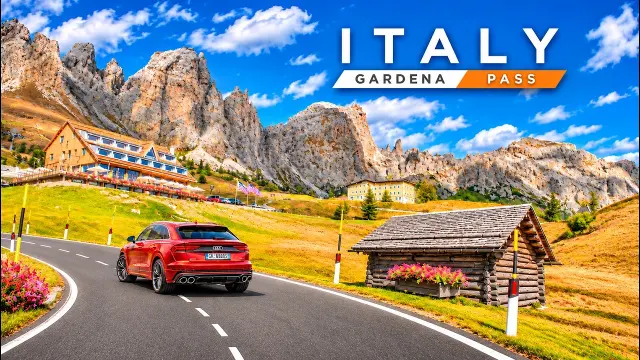 Autumn Scenic Drive Across Gardena Pass in the Dolomites
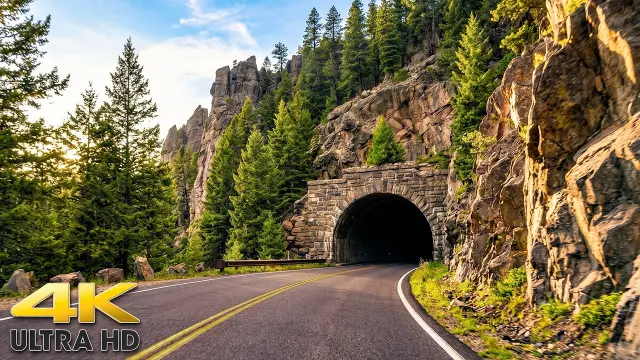 Navigating the Steep and Scenic Wolf Creek Pass in Colorado
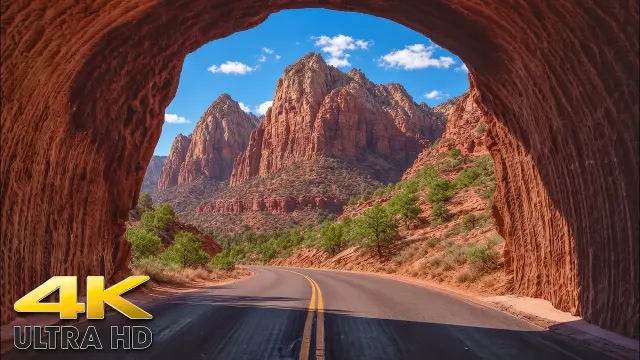 Scenic Loop Drive from Zion to Cedar Breaks in Utah
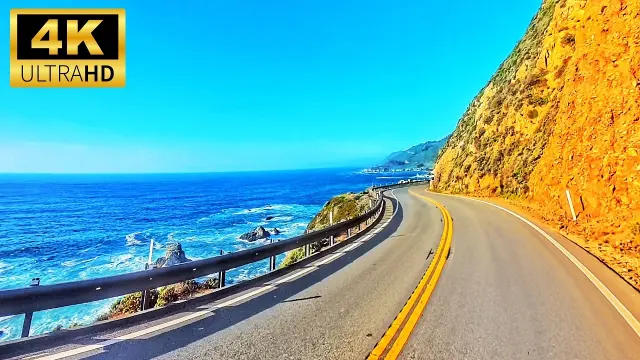 Pacific Coast Highway Drive from Los Angeles to Big Sur
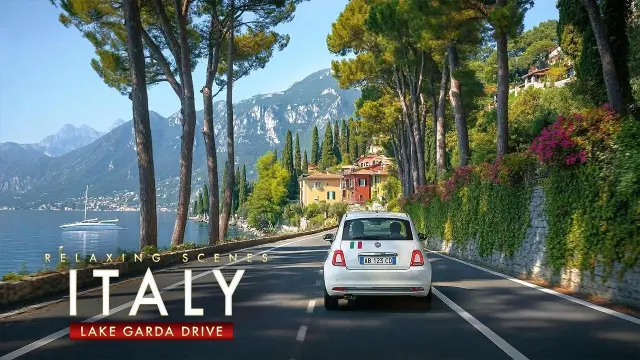 Scenic Lakeside Drive Along Lake Garda in Italy
Get new #Scenic Drive ideas by email
Every Thursday: the week's best ideas, with the newest from #Scenic Drive.
Related tags
Scenic Drives: A Guide to Enjoying the Open Road
A scenic drive is travel undertaken for the road itself rather than for arrival. Instead of measuring a journey by how quickly it is finished, a scenic drive measures it by what passes outside the window: a coastline folding into coves, a mountain pass climbing above the tree line, orchards in rows, a river keeping pace alongside you. The idea grew alongside the motorcar, when driving for pleasure became possible for ordinary people and roads began to be built and promoted with the surroundings in mind. Today a scenic drive is a way of travelling slowly, of turning transit into the point of the trip.
The main kinds
Nearly every scenic drive falls into one of a few familiar shapes.
- Coastal routes follow a shoreline, usually with frequent pullouts, ocean on one side and hillside on the other.
- Mountain passes climb and descend through changing elevation, offering long views and cooler air.
- Desert and canyon roads run through open, arid land where scale and light are the attraction.
- Countryside and farmland routes are gentler: hedgerows, small towns, working fields.
- Forest roads trade wide views for shade, canopy and the quiet of dense woodland.
- Designated byways are officially recognised routes, often chosen for history or landscape as much as for the road.
Read more
What to know before you go
The best scenic drive is planned loosely. Know roughly how long the route takes, where fuel and food are available, and whether the road closes in winter or turns to gravel partway. Mountain roads can be steep, narrow and slow, and altitude changes how a car behaves, so give yourself more time than a map suggests.
Go early or late: light is softer, traffic is thinner and wildlife is more active. Because animals do move at dawn and dusk, keep your speed modest on rural stretches and watch the verges.
Use the pullouts. Stopping in a lay-by to look properly is far better than slowing to a crawl in a live lane, and it is the only safe way to take a photograph. Keep your phone down while moving, and let a passenger handle navigation.
Check the weather for the whole route, not just the start. Conditions at a pass can differ sharply from those in the valley, and cloud can close a view in minutes.
Driving well, and travelling kindly
Scenic areas are shared places. Pull over to let faster local traffic pass, keep noise low in small settlements, take your litter with you and stay on marked paths when you step out. Whether you drive a full loop in a day or stretch a route over a week, the pleasure lies in the same thing: attention. Look out, slow down, and let the road set the pace.
#Scenic Drive: frequently asked questions
How do I start planning a scenic drive?
Pick a route that matches the landscape you want to see — coast, mountains, farmland or forest — and look at roughly how long it takes to complete. Don't over-schedule; leave room to stop at viewpoints and to change course if the weather turns. Knowing where fuel, food and shelter are available along the way matters more than a minute-by-minute itinerary.
What should I bring or check before setting out?
Confirm the road is open and paved for its whole length, since mountain routes can close in winter or turn to gravel partway. Fuel up early and carry water, a warm layer, and something to eat in case services are sparse. Give the car a quick look-over before you go, and remember that higher altitude changes how a vehicle performs.
Which kind of scenic drive should I choose?
It depends on what you want to look at more than how far you want to travel. Coastlines give you water and long pullouts, mountain passes give elevation and big views, desert roads give scale and light, and countryside or forest routes are shorter and gentler. Designated byways are a good starting point if you'd rather follow a route someone has already thought through.
When is the best time of day to drive a scenic route?
Early morning and late afternoon tend to be best: the light is warmer and softer, there's less traffic, and animals are more likely to be moving. That also means you should keep your speed down on rural stretches and watch the verges at those hours. If you're crossing a pass, check conditions for the whole route rather than just where you're starting.
How do I take photos safely on a scenic drive?
Use the pullouts and lay-bys instead of slowing down in a live lane — that's the only genuinely safe way to stop and look properly. Hand navigation and cameras to a passenger while the car is moving, and keep your own phone down. A short stop also gives you a better view than a glance at speed ever will.
What mistakes do people make on scenic drives?
The most common one is treating the route as a distance to beat, which turns a pleasure drive into a rush. Others are underestimating how slow steep, narrow mountain roads are, blocking locals by not pulling over to let them pass, and leaving litter or straying off marked paths in shared landscapes. Planning loosely and travelling kindly fixes most of it.
Videos come from YouTube and posts from Instagram; titles and summaries are our own. All rights belong to their creators.