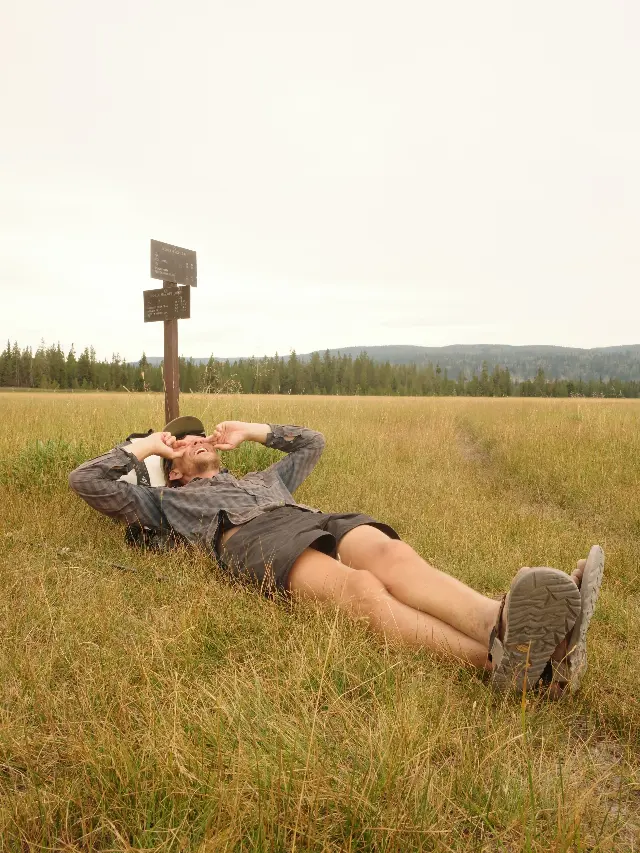
 Three Days Along the Bechler River in Yellowstone
#Yellowstone
2 ideas
Three Days Along the Bechler River in Yellowstone
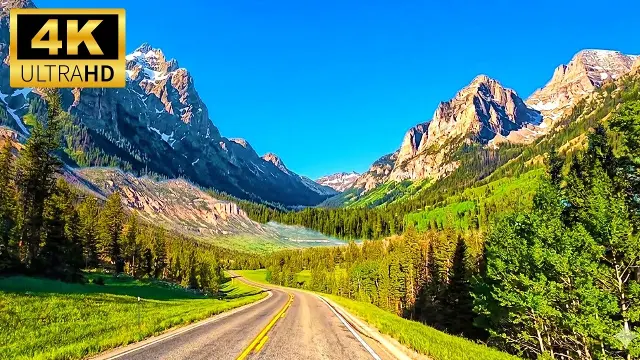 Yellowstone to Beartooth Highway Scenic Mountain Drive
Get new #Yellowstone ideas by email
Every Thursday: the week's best ideas, with the newest from #Yellowstone.
Related tags
A First-Timer's Guide to Yellowstone National Park
Yellowstone is a place that behaves like nowhere else on earth. Sitting on top of an enormous volcanic system, the land breathes: steam rises from cracks in the ground, mud pits bubble, and hot water pushes skyward on its own schedule. This is why it was set aside as the world's first national park, and why visitors still arrive expecting something stranger than an ordinary mountain landscape. They usually get it.
Most of the park lies in a high plateau, and the thin air up there is worth remembering — it makes walking harder than the map suggests and makes the sun stronger than the temperature implies.
The thermal areas
The geysers, hot springs and fumaroles are the heart of the visit. Old Faithful is the famous one, but it is far from the only spectacle: Grand Prismatic Spring draws crowds for its rings of colour, and the travertine terraces at Mammoth Hot Springs look built by hand. What beginners should know is simple: the ground here is a thin crust over scalding water, and it gives way. Stay on the boardwalks and marked paths without exception, keep hold of children, and never step off to get a better photograph.
Read more
Wildlife and the valleys
Yellowstone is one of the best places in North America to watch large animals living wild. Bison, elk, deer, bighorn sheep, bears and wolves all make their home here, and the wide northern valleys are where you are most likely to see them. Watch from a distance, use binoculars or a zoom lens rather than your feet, and give animals room to move. Bears and bison are not tame, and they are not slow. Keep all food and scented items stored and never feed anything.
Alongside the animals there is the landscape itself: the yellow-walled canyon and its waterfalls, the huge high lake, forests that are still recovering from old fires, and roadside viewpoints where the whole valley opens up.
Planning the drive
The park is large enough that a single day only scratches it. Choose one loop and do it well rather than racing between corners. Mornings and late afternoons are quieter and better for wildlife. Summer brings the most visitors; spring and autumn are cooler and calmer but can close high roads with early snow. In winter, access is limited and often requires a guided vehicle.
Fill the tank before entering, carry water and layers, and expect to lose phone signal. Arrive with patience: wildlife jams are part of the experience, not an obstacle to it.
Treading lightly
This landscape is fragile and heavily visited. Pack out what you bring, stay on trails, and treat the quiet as the point rather than the absence of something. The park keeps its wonders only if everyone who comes treats them carefully.
#Yellowstone: frequently asked questions
What makes Yellowstone different from an ordinary mountain park?
The park sits on top of an enormous volcanic system, so the land itself is active: steam rises from cracks in the ground, mud pits bubble and hot water shoots skyward on its own schedule. Visitors arrive expecting scenery and instead find something stranger, which is exactly why it was set aside as the world's first national park. Expect thermal features to be the heart of the visit, not a side attraction.
I only have a short time — how should I plan the drive?
Pick one loop and do it well instead of racing between distant corners, because the park is far too large to cover in a single day. Mornings and late afternoons tend to be quieter and better for spotting wildlife, while summer is the busiest season and spring or autumn can close high roads with early snow. Fill the tank before you enter, carry water and layers, and expect to lose phone signal.
Is it safe to walk closer to the geysers and hot springs for a photo?
No — stay on the boardwalks and marked paths without exception, because the ground there is a thin crust over scalding water and it does give way. Keep hold of children and never step off the path to get a better shot. The thermal areas reward patience from a safe distance far more than a risky close-up.
How do I watch wildlife without putting myself or the animals at risk?
Watch from a distance and use binoculars or a zoom lens rather than your feet, giving animals room to move. Bears and bison are wild, not tame, and they are not slow. Keep all food and scented items stored away, and never feed anything.
What do first-time visitors tend to forget?
The park sits on a high plateau, so the thin air makes walking harder than the map suggests and the sun feels stronger than the temperature implies — pack layers and protection accordingly. Carry water, arrive with a full tank, and plan for no phone signal. It also helps to treat wildlife jams as part of the experience rather than an obstacle to push through.
What are the most common mistakes people make here?
Trying to cover too much ground in one day, stepping off the boardwalk for a photograph, and approaching animals for a closer look are the three that come up again and again. Feeding wildlife or leaving scented items accessible causes trouble too. The landscape is fragile and heavily visited, so packing out what you bring and staying on trails is what keeps it worth seeing.
Videos come from YouTube and posts from Instagram; titles and summaries are our own. All rights belong to their creators.