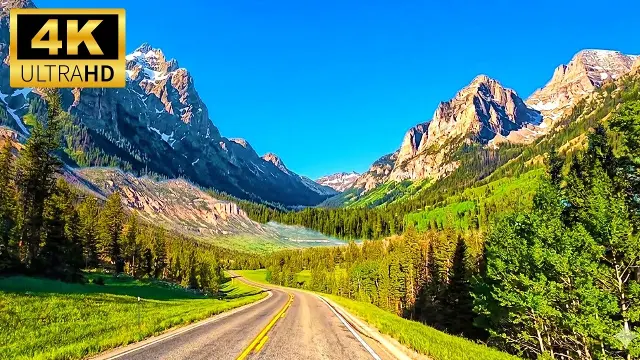
 Yellowstone to Beartooth Highway Scenic Mountain Drive
#Mountain Pass
3 ideas
Yellowstone to Beartooth Highway Scenic Mountain Drive
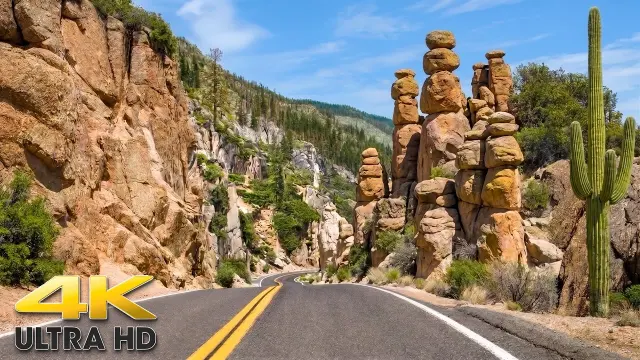 Exploring the Sky Island Scenic Byway on Mount Lemmon
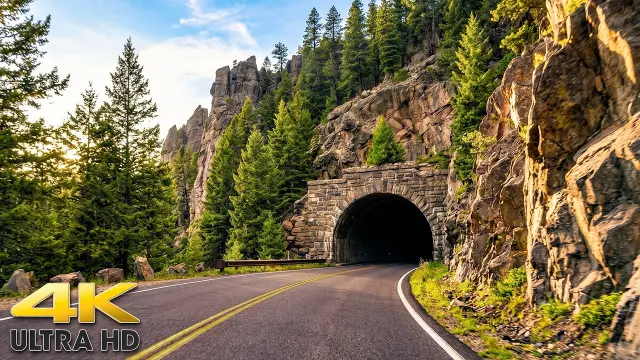 Navigating the Steep and Scenic Wolf Creek Pass in Colorado
Get new #Mountain Pass ideas by email
Every Thursday: the week's best ideas, with the newest from #Mountain Pass.
Related tags
Mountain Passes: The High Roads Between Peaks
A mountain pass is the lowest point along a ridge — a gap, saddle or col that gives the easiest route from one valley to the next. Because mountains rarely offer a simple way through, travellers have always gravitated to these notches, and many of the world's great roads still follow routes that herders, traders and pilgrims worked out long before anyone paved them.
How passes form
Most gaps are carved by water or ice. A stream cutting back into a ridge from both sides can wear a notch clean through it over a very long time; glaciers grind out broad, U-shaped saddles as they retreat. Movement in the earth's crust can also drop a block of rock between two higher ones, leaving a natural doorway. The result is a landscape where the mountain is continuous but the crossing is not, which is exactly why passes feel like thresholds: you are still high up, yet you are clearly going somewhere.
Kinds of pass
Read more
- Road passes, graded with switchbacks and often closed by snow for part of the year.
- Trail passes, reached only on foot or by bike, sometimes little more than a cairn and a worn path.
- Alpine passes above the tree line, bare and exposed, where weather turns fast.
- Low forested passes that stay open year-round and carry everyday traffic.
- Tunnels and cuttings that replace an old pass entirely, leaving the original route to walkers.
Many passes carry traces of their history: stone paving, boundary markers, small shrines, or the remains of a shelter for travellers caught out by storms.
Crossing by car
Mountain roads reward patience. Check conditions before you set out, since snow and ice can linger at altitude well into the warmer months, and fog can close in within minutes. Use a low gear on long descents so the engine does the braking rather than your brakes, and give cyclists and slower vehicles room. Pull over only at marked lay-bys — stopping on a blind bend is how most frightening moments on these roads begin. Fuel up before you climb; services thin out quickly and are not always open.
Crossing on foot
Start early, move steadily and turn back if the weather builds. Above the tree line you are the tallest thing around, so retreat from open ridges when thunder threatens. Pack a warm layer and water even on a short push, because the temperature at a pass is nothing like the temperature in the valley where you parked.
A word on altitude and weather
Height brings thinner air and sharper changes. If you feel light-headed or short of breath, rest, drink something and descend if it does not pass. Take the mountain's timetable rather than your own, and let a view that took hours to earn be the reward rather than the schedule.
#Mountain Pass: frequently asked questions
What is a mountain pass and why are roads built through them?
A mountain pass is the lowest crossing point along a ridge, so it offers the easiest route from one side of the mountains to the other. Roads, trails, and older trade routes often follow these gaps because they avoid the steepest terrain.
How do I choose the right kind of mountain pass route for a trip?
Choose based on how you want to travel and how exposed you want the route to be. A paved road pass is best for driving, while a trail pass or high alpine pass is better for hiking, biking, and scenic adventure if you are prepared for changing weather.
What should I check before driving over a mountain pass?
Check current road and weather conditions before you leave, because snow, ice, and fog can appear unexpectedly at higher elevations. It also helps to fuel up early, use a lower gear on long descents, and stop only in marked pullouts.
What is the best way to hike across a mountain pass safely?
Start early, keep a steady pace, and be ready to turn back if the weather worsens. Bring warm layers and water, and avoid exposed ridges if thunder or fast-changing conditions move in.
What mistakes do people often make when crossing a mountain pass?
A common mistake is underestimating how quickly conditions change between the valley and the summit. People also stop in unsafe places, rely too much on their brakes downhill, or forget that services and shelter can be limited once they climb.
How can I tell if a mountain pass is a good scenic stop or photo spot?
Look for passes with wide views, historic traces, or a natural threshold feeling where the landscape opens between valleys. If you stop, use safe pullouts and be mindful that exposed areas can be windy, cold, and busy with traffic or hikers.
Videos come from YouTube and posts from Instagram; titles and summaries are our own. All rights belong to their creators.