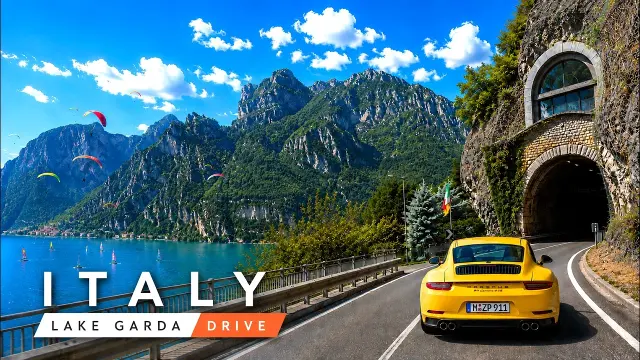
 Lake Garda Scenic Drive from Bardolino to Riva del Garda
#Lake Garda
2 ideas
Lake Garda Scenic Drive from Bardolino to Riva del Garda
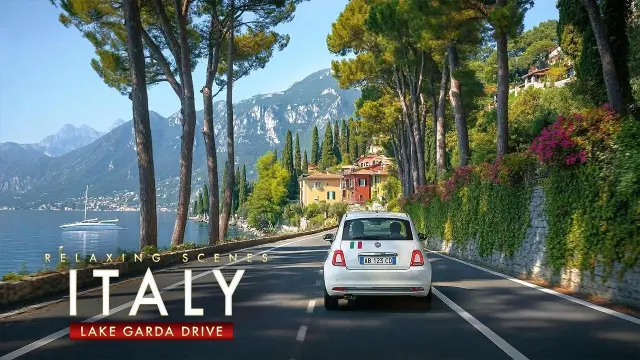 Scenic Lakeside Drive Along Lake Garda in Italy
Get new #Lake Garda ideas by email
Every Thursday: the week's best ideas, with the newest from #Lake Garda.
Related tags
Lake Garda: A Complete Guide to Italy's Largest Lake
Lake Garda sits in northern Italy, cradled between three regions — Lombardy to the west, Veneto to the east and Trentino to the north. It is the largest lake in the country, a long, narrow sheet of water running roughly north to south, with a rounded, open basin in the south and steep, fjord-like sides in the north where mountains drop almost straight into the water. That shape is a clue to its origin: the lake was carved and deepened by glaciers, which left behind the moraine hills that now frame its southern shore.
The result is a landscape of unusual variety for its size. The southern end feels broad and gentle, with shallow water, beaches and low green hills covered in vineyards. The northern end belongs to the Alps, with sheer cliffs, wind-swept water and peaks rising above the shoreline. Between them, the west bank is characterised by terraced slopes and sheltered bays, while the east bank climbs towards the Monte Baldo ridge, a long, high wall of rock and pasture that offers some of the best views over the lake.
The climate is mild and Mediterranean in feel, even in the northern reaches, which is why olive groves, lemon trees and palms grow here alongside Alpine vegetation. Historically this mildness made the shores a favoured place for villas and gardens, and the lake's small islands — some with historic buildings and formal gardens — continue that tradition.
Winds are part of the lake's identity. A steady morning wind from the north and a stronger afternoon wind from the south have made the northern end famous for sailing and windsurfing, and you will see boards and dinghies out on the water whenever conditions allow. Elsewhere, the lake is a quiet place for swimming, ferry-hopping between villages and long walks along the shore.
Read more
Each town has its own character. Sirmione, on a peninsula in the south, is known for its castle and the ruins of a large Roman villa at its tip. Desenzano and Salò have elegant promenades; Bardolino and the surrounding hills are wine country; Gardone Riviera is associated with gardens and a historic villa; Malcesine and Limone sul Garda cling to the eastern and western cliffs respectively; and Riva del Garda at the northern tip has an Alpine feel, with the lake meeting the mountains almost abruptly.
If you are visiting for the first time, a few practical notes help. The lake is large enough that driving the full circuit takes a good part of a day, so choose two or three bases rather than trying to cover everything. Ferries connect the main towns and are often faster and far more relaxing than the road, especially in the middle of the day. Mornings and late afternoons are best for driving and photography, when the light is softer and the roads quieter. Book accommodation well ahead if you plan to stay on the water in the high summer months, and remember that the northern end cools down noticeably in the evening.
Come prepared for weather that changes with the landscape: sun in the south, cloud gathering on the northern peaks, sudden gusts on the water. Layers, comfortable shoes for the stepped streets and a willingness to slow down will get you much further here than a checklist. Lake Garda rewards lingering — a bench, a long lunch, a slow boat ride — more than rushing from one postcard to the next.
#Lake Garda: frequently asked questions
How should a first-time visitor plan a trip to Lake Garda?
Start by choosing a stretch of shore rather than trying to circle the whole lake, since the distances are longer than they look on a map. Pick a base in the gentler south or the Alpine north depending on whether you want beaches and vineyards or cliffs and mountain air, then explore outward from there. Ferries make it easy to link villages without moving your bags.
Which part of Lake Garda suits which kind of holiday?
The southern basin is broad and calm, with shallow water, promenades and wine hills, which suits families and anyone wanting an easy, gentle stay. The northern end is dramatic and breezy, with sheer rock faces and a distinctly Alpine feel, and it draws sailors, windsurfers and walkers. The eastern bank rises towards a long mountain ridge with sweeping views, while the western bank is terraced and sheltered.
What should I pack for Lake Garda?
Layers are the single most useful thing, because the weather shifts with the terrain — sunny at the southern end, cloud catching on the northern peaks, and sudden gusts over the water. Comfortable shoes matter for the stepped streets and steep village lanes, and a light waterproof is worth carrying even on a bright day. In the evening the northern shore cools down noticeably, so something warm helps.
How do you get around Lake Garda without a car?
Boats are the pleasantest option: ferries link the main towns and are often quicker and far more relaxing than the road, particularly in the middle of the day. Villages are compact and made for walking once you arrive, so a boat-and-foot approach covers a lot of ground. Buses fill the gaps along the shore where the boats don't call.
What are common mistakes people make when visiting Lake Garda?
The biggest one is underestimating the size of the lake and trying to see everything in a single trip, which leaves you in the car instead of on the water. Another is driving and sightseeing at midday, when roads are busiest and the light is harshest — early mornings and late afternoons are far better for both. Leaving lakeside accommodation to the last minute in high summer is another easy trap.
What makes Lake Garda good for a romantic or special occasion?
The combination of mild Mediterranean climate and mountain scenery means olive groves, lemon trees and formal island gardens sit beside Alpine peaks, which gives the place an unusual atmosphere for a celebration. A slow boat ride, a long lunch on a terrace and an evening promenade do more here than a packed schedule. The historic villas and gardens along the shore add a sense of occasion without any effort.
Videos come from YouTube and posts from Instagram; titles and summaries are our own. All rights belong to their creators.