 Comparing a two-dollar fruit snack with a luxury one
#Comparison
3 ideas
Comparing a two-dollar fruit snack with a luxury one
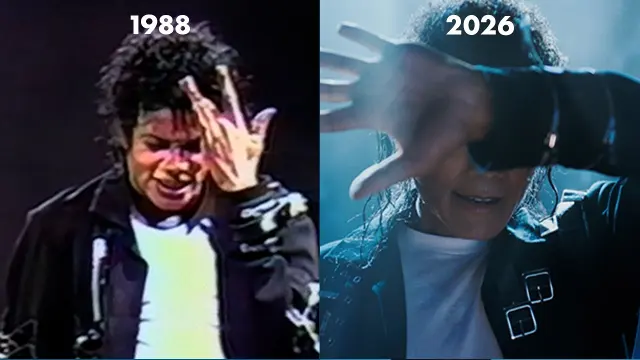 Michael Jackson Bad Side by Side Comparison
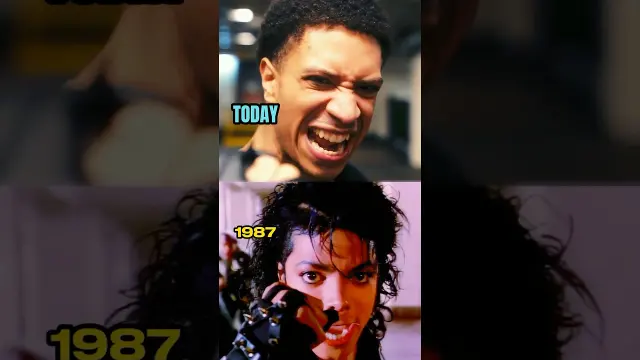 Michael Jackson Bad 1987 Versus Today
Get new #Comparison ideas by email
Every Thursday: the week's best ideas, with the newest from #Comparison.
Related tags
Comparison: Seeing Differences and Similarities
What comparison means
Comparison is the act of placing two or more things side by side in order to notice how they are similar and how they differ. It is one of the most natural ways people understand the world. You compare clothes, colors, recipes, rooms, styles, photos, ideas, and even feelings to judge which suits a purpose best or to understand a change over time.
The word comes from the idea of measuring one thing against another. That can be done in everyday life, in study, in art, and in visual work. A comparison may be simple and direct, or it may be more thoughtful, asking you to notice details that are easy to miss at first glance.
Where comparison is used
Read more
Comparison is used in many different ways. In practical life, it helps you choose between options, such as two outfits, two fabrics, or two ways of arranging a room. In learning, it helps you understand categories by showing what makes them similar or different. In visual fields, comparison is often used to show transformation, contrast, progress, or balance.
You may see comparison in before-and-after views, side-by-side images, and paired examples. It is useful whenever the goal is clarity. By looking at two things together, you can make a more informed judgment than by looking at only one.
Main kinds of comparison
There are a few common approaches:
- Side-by-side comparison: two items are shown next to each other for easy visual checking.
- Before-and-after comparison: one item is shown at two different stages to highlight change.
- Contrast comparison: the differences are emphasized to make each item stand out more strongly.
- Similarity comparison: the focus is on what the items share in common.
- Sequential comparison: several items are arranged in order so you can follow a development or variation.
Each kind serves a slightly different purpose. Some help you decide, while others help you understand.
What beginners should know
A good comparison depends on fair and clear choices. Compare things that belong to the same general category, or make sure the difference between them is the point you want to show. If the items are too unlike, the comparison can become confusing instead of helpful.
It also helps to compare only one or two features at a time. For example, if you are comparing outfits, you might focus on shape, color, texture, or mood rather than every detail at once. Too many differences can blur the message.
When comparing visual objects, keep the presentation as even as possible. Similar lighting, angle, and framing make it easier to see what truly changes.
Practical tips
- Decide what you want to learn from the comparison before you begin.
- Choose items that can be judged fairly against each other.
- Keep the layout simple so the eye can move easily between them.
- Look for both similarities and differences.
- Ask yourself whether the comparison is about style, function, quality, or change.
- If you are comparing images, try to keep the framing consistent.
Comparison is a quiet but powerful tool. It helps you notice details, make choices, and understand how one thing relates to another.
Videos come from YouTube and posts from Instagram; titles and summaries are our own. All rights belong to their creators.