 Comparing fruit snacks with cleaner ingredient options
#Fruit Snack
7 ideas
Comparing fruit snacks with cleaner ingredient options
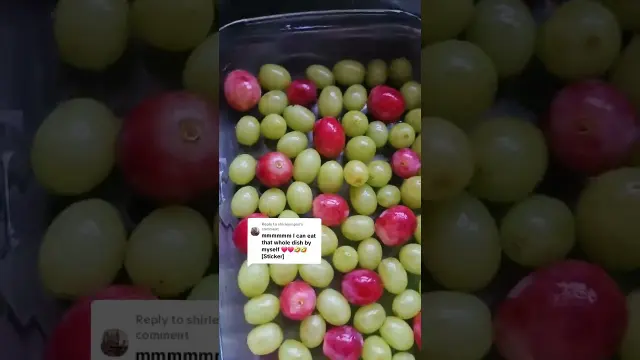 Making a viral gelatin fruit snack at home
 Three Easy No-Bake Halloween Treats for Kids
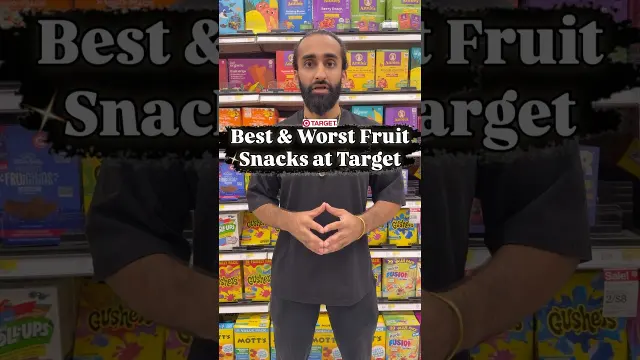 Best and worst fruit snacks to buy at Target
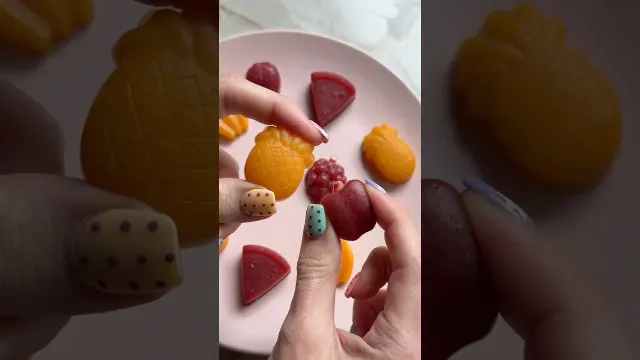 Homemade fruit snacks made with real fruit and vegetables
 Comparing a two-dollar fruit snack with a luxury one
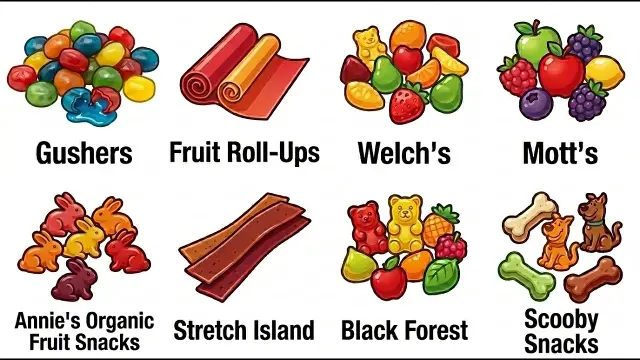 Explaining different fruit snacks in a short roundup
Get new #Fruit Snack ideas by email
Every Thursday: the week's best ideas, with the newest from #Fruit Snack.
Related tags
Fruit Snacks: Simple Ideas for Everyday Nibbles
Fruit snacks are small, easy portions of fruit or fruit-based bites eaten between meals or served as a light treat. They can be as simple as a sliced apple, a handful of berries, a banana with yogurt, or a mix of fresh and dried fruit. Because fruit is naturally sweet, colorful, and widely available, it has long been used in everyday cooking, packed lunches, and casual entertaining.
What fruit snacks can be
At their simplest, fruit snacks are fresh fruit cut into manageable pieces. They can also include dried fruit, frozen fruit, fruit salad, fruit skewers, smoothies, or homemade baked and chilled treats made with fruit. In some homes, the phrase also includes fruit leathers, compotes, or small desserts where fruit is the main flavor.
The appeal of fruit snacks is their flexibility. You can keep them plain or combine them with other foods to make them more filling. A little cheese, yogurt, nuts, seeds, or whole grains can turn fruit into a more balanced snack, depending on your needs and tastes.
Read more
Common kinds and styles
Fresh fruit snacks are the most straightforward. Whole fruit is easy to carry, but cut fruit is often simpler for children or for serving at gatherings. Popular choices include apples, pears, grapes, citrus segments, melon, berries, peaches, and bananas.
Dried fruit is another classic form. It is convenient, compact, and often used in trail mixes or lunch boxes. Because drying removes water, dried fruit is usually sweeter and more concentrated than fresh fruit, so smaller portions are often enough.
Frozen fruit can be used in warm weather or blended into smoothies. It is also helpful for keeping texture and flavor when fresh fruit is out of season.
How to prepare them well
Good fruit snacks begin with ripe fruit and clean handling. Wash fresh fruit thoroughly, peel it when needed, and cut it into pieces that are easy to eat. If you are preparing fruit in advance, a little lemon juice can help slow browning on apples, pears, and bananas.
Presentation matters more than you might think. Fruit looks more inviting when mixed by color and texture. Try combining soft fruit with something crisp, or pairing sweet fruit with a tart one. Small bowls, jars, skewers, and snack boxes all work well.
Practical tips for beginners
- Start with fruit that is in season where you live, since it is often at its best flavor and texture.
- Make small portions so the fruit stays fresh and is easier to enjoy.
- Store cut fruit in a sealed container in the fridge and eat it soon after preparing it.
- For children, cut grapes, cherry tomatoes, and similar small round fruits lengthwise to reduce choking risk.
- If you want a more satisfying snack, add a simple protein or fat such as yogurt, cheese, nut butter, or nuts, depending on dietary needs.
Fruit snacks can be as plain or as thoughtfully prepared as you like. Once you get used to working with a few favorite fruits, it becomes easy to make something quick, colorful, and naturally enjoyable any day of the week.
Videos come from YouTube and posts from Instagram; titles and summaries are our own. All rights belong to their creators.