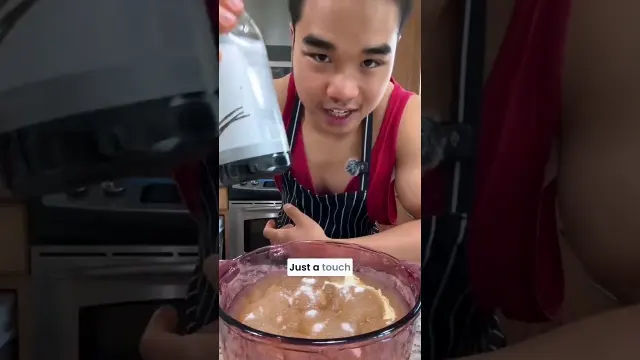
 High Protein Homemade Jello Recipe
#Gelatin
6 ideas
High Protein Homemade Jello Recipe
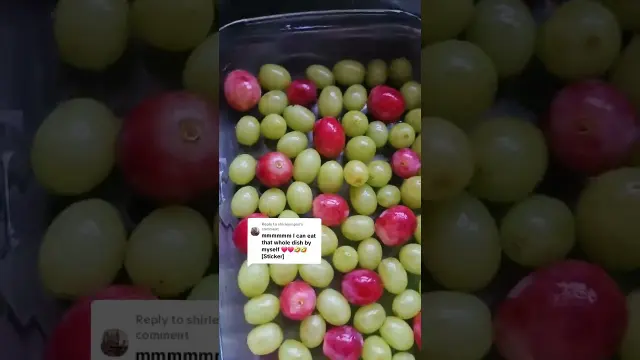 Making a viral gelatin fruit snack at home
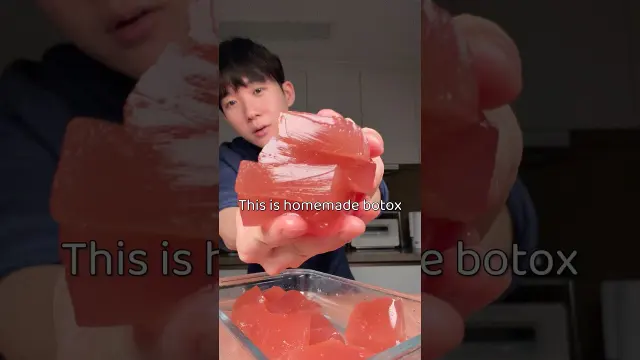 Homemade Collagen Jelly for Skin Care Routine
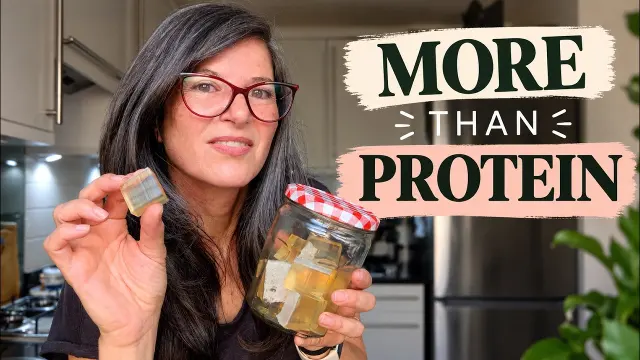 Simple Homemade Gelatin Cubes Recipe and Benefits
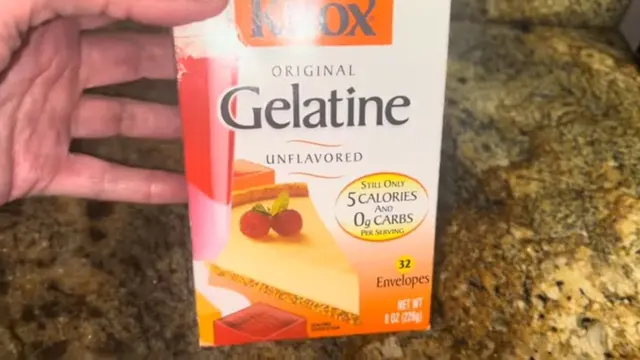 Step-by-Step Guide on How to Bloom Knox Gelatine
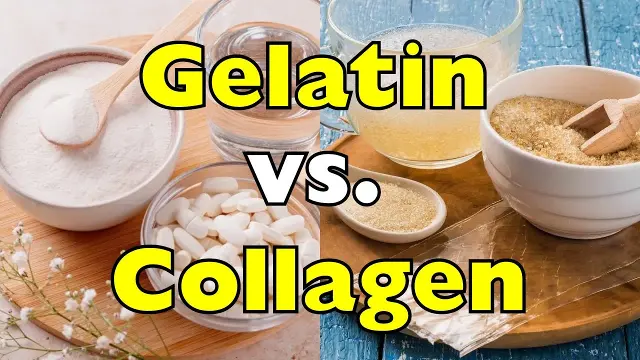 Gelatin Versus Collagen: Understanding the Real Differences
Get new #Gelatin ideas by email
Every Thursday: the week's best ideas, with the newest from #Gelatin.
Related tags
Gelatin: What It Is and How to Use It
What gelatin is
Gelatin is a natural gelling ingredient made from collagen, a protein found in animal connective tissues. When it is dissolved in warm liquid and then cooled, it sets into a soft, wobbly gel. That simple property makes it useful in both sweet and savory cooking.
People have used gelatin for a long time in home kitchens and professional cooking alike. It helps create desserts with a delicate texture, gives body to sauces and fillings, and can be used to stabilize chilled dishes. It is usually sold as either powder or sheets, and both forms do the same basic job.
How gelatin is used
Read more
Gelatin is best known for desserts such as molded sweets, fruit gels, mousses, panna cotta, and marshmallow-style treats. It can also be used in aspics, terrines, and other savory preparations where a clear, tender set is wanted.
Its main purpose is texture. It can make a dessert firm enough to slice, or soft enough to quiver gently on a spoon. The final result depends on how much gelatin you use and how much liquid it sets.
Main forms and kinds
- Powdered gelatin is easy to measure and often bloomed in a little cold water before being dissolved.
- Sheet gelatin comes as thin leaves that are softened in cold water, then squeezed and added to warm liquid.
- Unflavored gelatin is the most versatile, because it does not add its own taste.
- Flavored gelatins exist as well, but those are usually sweetened and intended for specific desserts rather than general cooking.
If you are new to gelatin, it helps to follow the package directions closely, since different forms may need different handling.
Basic technique
The most important step is blooming, which means allowing gelatin to absorb cold water before it is heated into a liquid. This helps it dissolve smoothly and reduces the chance of lumps. After blooming, it is stirred into a warm mixture until fully dissolved. The mixture should not be boiled, because high heat can weaken its setting power.
Once combined, gelatin mixtures are usually poured into a mold, dish, or glass and chilled until set. Patience matters here. Rushing the chilling time can lead to a dessert that seems soft or unset in the middle.
Practical tips for beginners
- Use the right amount of liquid. Too much liquid can make the set weak.
- Stir gently, especially when you want a clear finish.
- Let the mixture cool slightly before adding delicate ingredients like whipped cream or fresh fruit.
- Some fresh fruits can interfere with setting if used raw in large amounts, so it helps to check recipes carefully.
- If a recipe needs a very clean, firm shape, chill it in a suitable mold and unmold only when fully set.
- If the texture is too firm, the recipe may need less gelatin next time; if it is too soft, it may need a little more.
A versatile kitchen ingredient
Gelatin is useful because it is simple, adaptable, and capable of creating elegant textures from ordinary ingredients. Once you understand how to bloom it, dissolve it, and chill it properly, you can use it in many different recipes with confidence. It is a good ingredient to learn early if you enjoy making desserts or refined chilled dishes at home.
Videos come from YouTube and posts from Instagram; titles and summaries are our own. All rights belong to their creators.