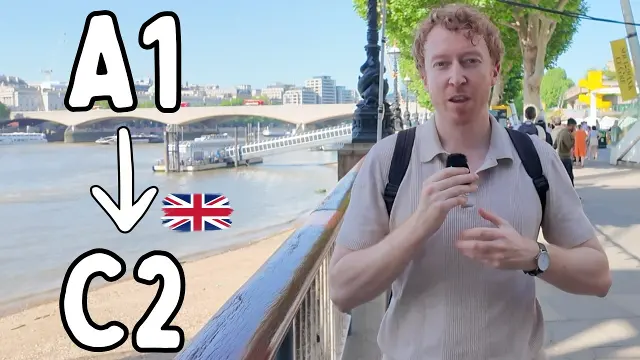
 English Listening Skills Proficiency Test Across All Levels
#Comprehension
1 ideas
English Listening Skills Proficiency Test Across All Levels
Get new #Comprehension ideas by email
Every Thursday: the week's best ideas, with the newest from #Comprehension.
Related tags
Comprehension: How We Understand What We Read and Hear
Comprehension is the act of making meaning out of language rather than merely receiving it. You can decode every word on a page or catch every sound in a sentence and still come away with nothing, because understanding is a separate step: it is the work of connecting what arrives to what you already know, and building something coherent out of it.
That distinction matters more than it first seems. Reading and listening are often taught as if they were about accuracy — recognising letters, hearing phonemes, knowing vocabulary. Those are the raw materials. Comprehension is what you do with them.
Two channels, one process
Reading comprehension works from text you can see and re-read; listening comprehension works from sound that arrives once and disappears. The second is harder in a specific way: you cannot go back. A reader who loses the thread can glance up a paragraph. A listener has to hold the thread in memory while the next sentence arrives, and match it against what came before.
Read more
The levels underneath
Most accounts of comprehension describe layers that build on each other. Literal understanding is the surface: who did what, where, when. Inferential understanding fills the gaps the text leaves open — a character closes the window, and you understand the room was cold. Evaluative understanding is where you judge: is this reliable, what is the writer's angle, does it hold together. A fourth layer, sometimes called critical or applied comprehension, is where you connect the text to your own experience and to other things you have read. Beginners often stop at the literal layer without noticing the others are available.
What helps
Predict before you begin. Skim headings, look at the shape of the piece, and let yourself form a guess about what is coming; the guess does not need to be right to do its work. Ask questions as you go — the small, ordinary ones. Why did the writer say that here? What is this paragraph doing?
Notice structure. Most texts signal where they are going, with topic sentences, transitions, repeated words. Following the skeleton makes details easier to place.
Tolerate gaps. You will not understand everything on a first pass, and stopping at every unknown word breaks the thread far more than skipping it does. Read or listen through, then return.
For listening specifically, memory is the bottleneck. Practise holding a sentence in mind a beat longer than feels comfortable, and summarise to yourself in a few words after each section.
A habit, not a talent
Comprehension improves with volume and variety rather than with tricks. Read things slightly harder than you find easy, listen to voices and registers you are not used to, and get in the habit of paraphrasing back what you have taken in. The goal is not to absorb everything but to keep building the small internal summary that understanding actually consists of.
#Comprehension: frequently asked questions
What actually is comprehension, as opposed to just reading or listening?
Comprehension is the step after receiving language — it is the work of connecting what arrives to what you already know and building something coherent from it. You can decode every word on a page and still come away with nothing, because recognising words and sounds is only the raw material. Understanding is what you do with that material.
What do I need before I start working on comprehension?
Not much beyond material that is slightly harder than what you find easy, and a willingness to go through it more than once. A first pass for the shape and thread, then a return for the details you skipped, is usually enough. No special technique is required — volume and variety matter far more than tricks.
Should I practise reading comprehension or listening comprehension first?
They draw on the same underlying process, so either is a reasonable starting point, but they are not equally forgiving. Reading lets you glance back up a paragraph when you lose the thread, while listening arrives once and disappears, which makes memory the real bottleneck. If listening is your aim, practise holding a sentence in mind a beat longer than feels comfortable and summarising each section to yourself.
What are the most common mistakes people make?
The biggest one is stopping at the literal layer — who did what, where, when — without noticing that inference, evaluation and connection to your own experience are also available. Another is halting at every unknown word, which breaks the thread far more than skipping it does. Beginners also tend to treat comprehension as a talent they either have or lack, rather than a habit built up over time.
How can I follow a difficult text or talk without getting lost?
Predict before you begin: skim the headings, sense the shape of the piece, and let yourself guess what is coming, even if the guess turns out wrong. Then watch for structure — topic sentences, transitions, repeated words — because most texts signal where they are going and following that skeleton makes details easier to place. Asking yourself small, ordinary questions as you go, like why the writer said something here, keeps you actively building meaning.
How do I know whether I have really understood something?
A useful check is to paraphrase it back in your own words, briefly, without looking at the source. If you can produce a small internal summary of what the piece was doing, that summary is essentially what understanding consists of. Struggling to say it back in a sentence or two usually means a second pass is worth making.
Videos come from YouTube and posts from Instagram; titles and summaries are our own. All rights belong to their creators.