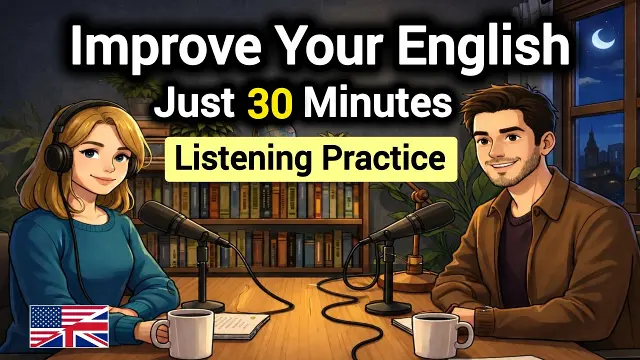
 Improve English Listening Skills with Real Conversations
#Listening Skills
18 ideas
Improve English Listening Skills with Real Conversations
 English Listening Skills Proficiency Test Across All Levels
 Ten Minutes of English Listening Practice and Skills Test
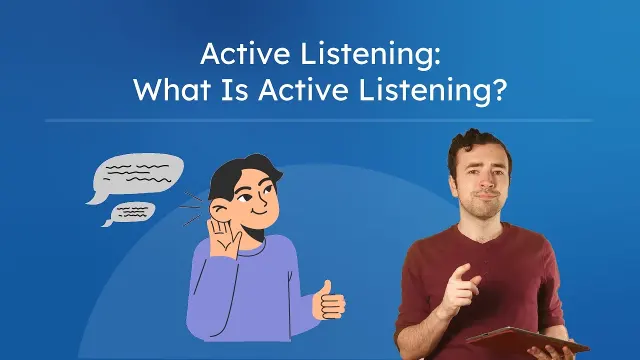 Active Listening Skills for Middle School Students
 Introduction to Active Listening and Interpersonal Communication
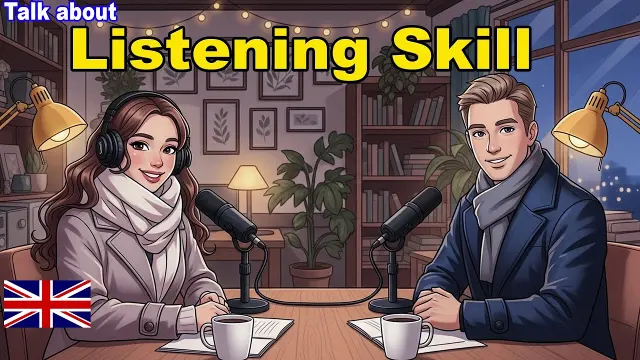 Practical English Conversation Practice for Improving Listening Skills
 Active Listening Skills and Techniques to Save Relationships
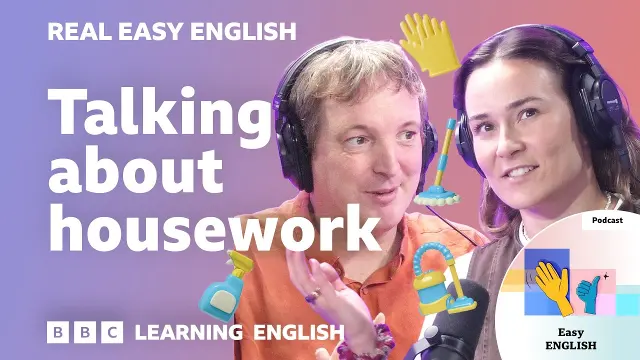 Improve Your English Listening Skills While Learning About Chores
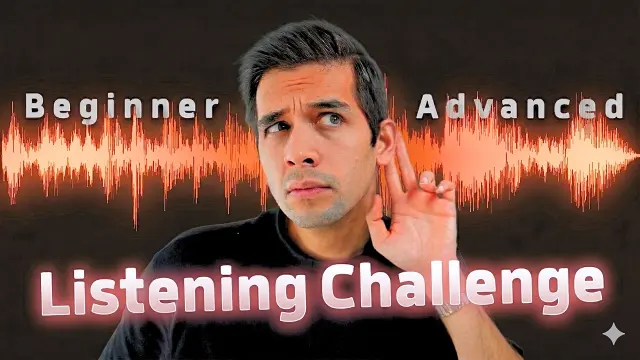 English Listening Skill Challenge With Easy to Hard Dialogues
 Advanced English Listening Practice for Deeper Conversations
 Thirty Minutes of Fast English Listening Practice
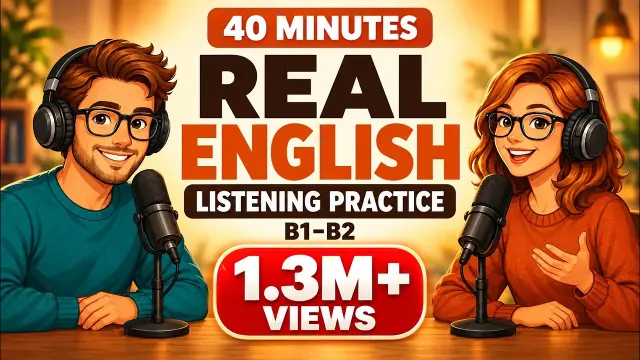 Improve English with Forty Minutes of Real Listening
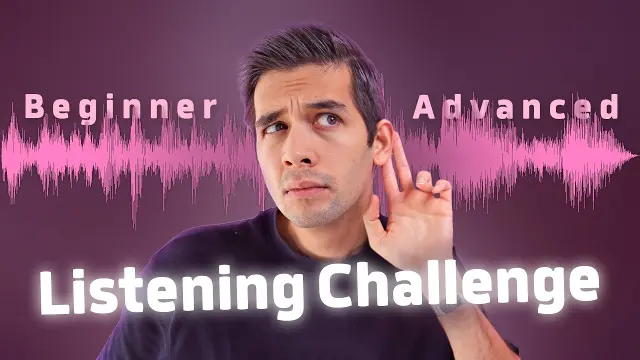 English Listening Skill Challenge with Audio Clips
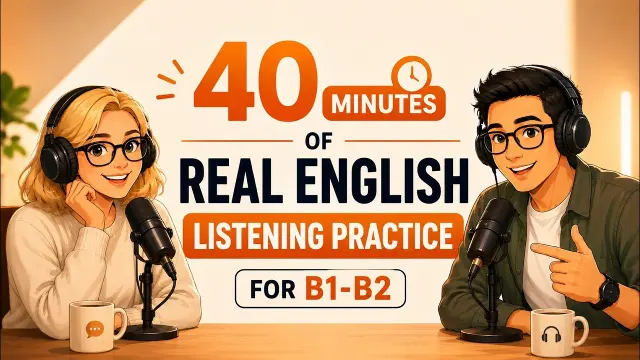 Real English Listening Practice for B1-B2 Learners
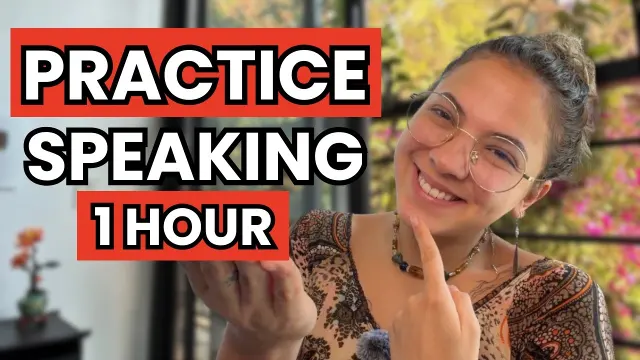 Real Life English Conversation Practice Through Shadowing
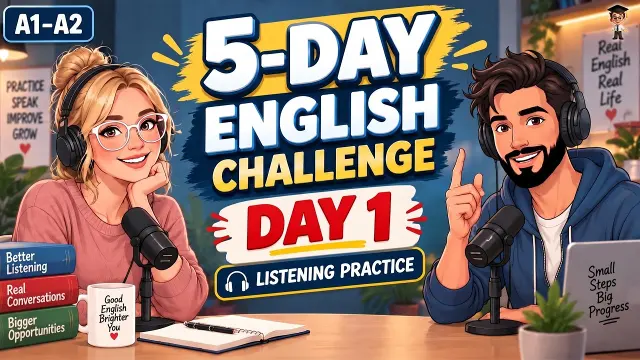 Beginner English Challenge Daily Listening Practice
 Speak English With Me Fifteen Minute Podcast Practice
 Improve Your English With Intermediate Listening Practice
Get new #Listening Skills ideas by email
Every Thursday: the week's best ideas, with the newest from #Listening Skills.
Collections
Related tags
Listening Skills: How to Hear and Understand Better
What listening skills are
Listening skills are the ability to pay attention to spoken words, understand their meaning, and respond in a thoughtful way. They are different from simply hearing sound. Good listening involves focus, patience, and the ability to notice not only words, but also tone, pace, and pauses.
Listening is used in almost every part of life. It helps in conversations, learning, work, relationships, and social situations. When you listen well, you are more likely to understand what someone truly means, avoid misunderstandings, and build trust.
Why listening matters
Read more
Strong listening skills make communication easier and more respectful. They help you follow instructions, learn new information, and show interest in other people. In conversations, listening well often matters more than speaking a lot. It gives others space to express themselves and helps you answer in a more relevant way.
Listening is also important for learning any language. When you hear words again and again in natural speech, you begin to notice patterns, rhythm, and pronunciation. Over time, this makes it easier to understand different speakers and more than one accent or speaking style.
Different kinds of listening
There are several ways people listen, depending on the situation:
- Focused listening: paying close attention to understand important details
- Empathetic listening: listening to understand another person’s feelings and point of view
- Critical listening: thinking carefully about whether information is clear, logical, or reliable
- Casual listening: hearing speech in everyday life without needing to remember everything
A strong listener can move between these styles when needed.
How to improve your listening
If you want to become a better listener, start with small habits:
- Give the speaker your full attention
- Reduce distractions when possible
- Don’t interrupt too quickly
- Wait a moment before answering
- Ask questions if something is unclear
- Repeat or summarize key points in your own words
- Notice tone, stress, and emotion as well as words
It also helps to listen regularly to different kinds of spoken language. Conversations, stories, instructions, and interviews all train your ear in slightly different ways. If you are learning a language, short and repeated listening is often more useful than trying to understand everything at once.
Common challenges
Many people find listening difficult when the speaker talks quickly, uses unfamiliar words, or speaks with a new accent. Background noise, stress, and divided attention can also make it harder to follow. This is normal. Listening is a skill that improves with practice, not something you either have or do not have.
When you do not understand something, try to stay calm. Focus on the main idea first, then notice the details you missed. You do not need to catch every word to understand the message.
Practical tips for beginners
- Listen in short sessions if your attention fades easily
- Choose material that is slightly challenging, not overwhelming
- Re-listen to the same audio more than once
- Read along if that helps you connect sound and meaning
- Practice with real conversations as well as planned audio
- Be patient with yourself and notice gradual improvement
Good listening is a quiet skill, but it has a big effect. The more carefully you listen, the more clearly you understand the people and information around you.
#Listening Skills: frequently asked questions
How do I start improving my listening skills?
Begin with small, everyday habits rather than a big plan: give the speaker your full attention, put distractions aside, and hold back from interrupting. When something is unclear, ask a simple question instead of guessing. Short, repeated practice with real conversations and spoken audio trains your ear far better than trying to catch everything at once.
What do I need to practice listening, and do I need any special equipment?
Nothing elaborate is required — a quiet-ish space, something to listen to, and a little patience are enough. Conversations, stories, interviews, and instructions all work as practice material, and each trains your ear in a slightly different way. If you are learning a language, reading along while you listen can help you connect sound with meaning.
Which kind of listening should I use in a given situation?
Match the style to what the moment needs: focused listening when details matter, empathetic listening when someone is sharing feelings, critical listening when you need to judge whether information is clear and reliable, and casual listening for everyday background speech. Good listeners move between these styles as the situation shifts. The skill is not picking one permanently but switching fluidly.
How do I keep my attention from drifting during long conversations?
Attention fades for most people, so work with that instead of fighting it — listen in shorter stretches and take a mental pause when you notice yourself drifting. Orienting yourself around the main idea first, then filling in details, keeps you anchored even when you miss a word or two. Summarizing key points back in your own words also keeps you actively engaged rather than passively hearing.
What are the most common listening mistakes?
Interrupting too quickly, answering before the speaker has finished, and rehearsing your reply while the other person is still talking are the usual culprits. Another frequent one is focusing only on words and ignoring tone, pace, and pauses, which often carry the real message. Rushing to catch every single word is also a mistake — understanding the overall meaning matters more.
Why do some speakers or accents feel so hard to follow?
Fast speech, unfamiliar vocabulary, new accents, background noise, and divided attention all make listening harder, and that difficulty is completely normal rather than a sign of poor ability. Staying calm and aiming for the main idea first keeps you from getting stuck on what you missed. Listening is a skill that grows with practice, not a fixed trait you either have or lack.
Videos come from YouTube and posts from Instagram; titles and summaries are our own. All rights belong to their creators.