 Intermediate English Conversation Practice Through Life Lessons
#Conversation Practice
23 ideas
Intermediate English Conversation Practice Through Life Lessons
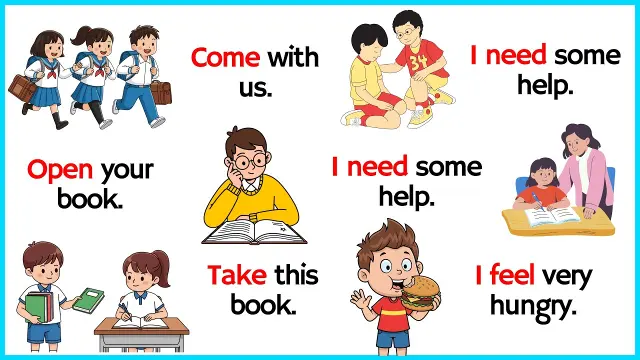 100 Daily Use English Sentences for Beginners
 Beginner English Conversation Practice and Interview Questions
 How to Train Your Brain to Think in English Without Translating
 Easy English Conversation Practice About Hometowns
 Real Life English Phrasal Verbs and Conversation Practice
 Intermediate English Speaking Practice and Shadowing Course
 English Speaking Practice Lesson with Listen and Repeat
 American English Speaking Practice and Listening Lesson
 English Podcast for Communicating With Confidence
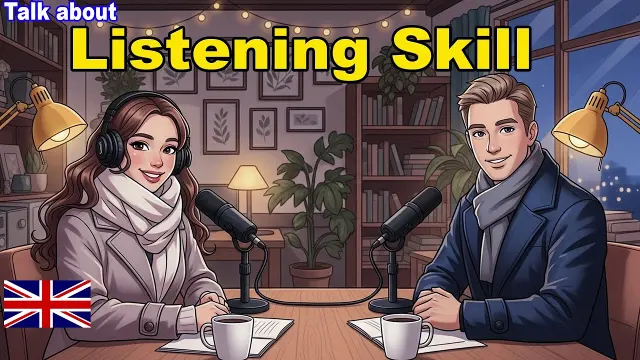 Practical English Conversation Practice for Improving Listening Skills
 Home English Speaking Conversation Practice for Beginners
 Everyday English Questions and Conversation Practice
 350 Daily Life English Sentences for Shadowing Practice
 Simple English Conversations for Daily Life and Beginners
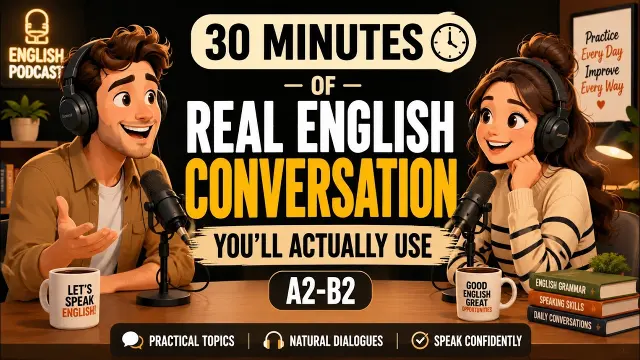 Real English Conversation Practice for Intermediate Learners
 Easy English Speaking and Conversation Practice for Beginners
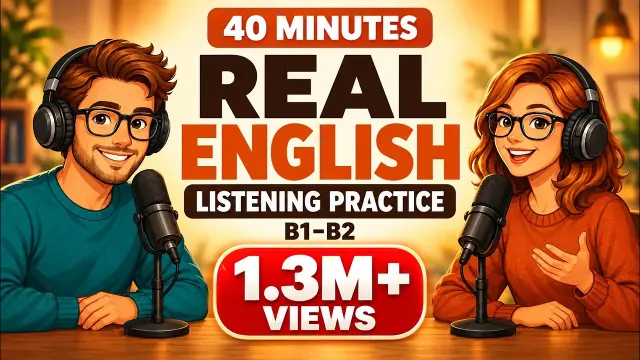 Improve English with Forty Minutes of Real Listening
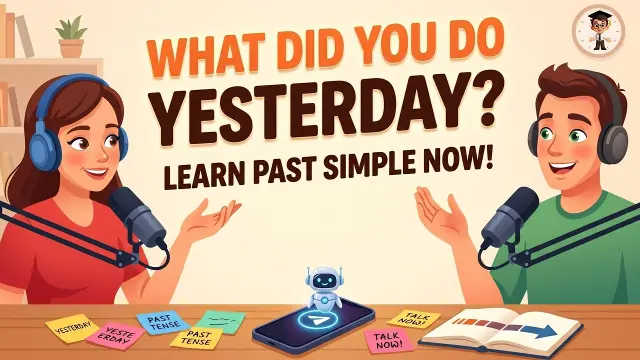 Daily English Conversation Practice on Past Tense
 Easy English Conversation on Helping Someone Who Is Lost
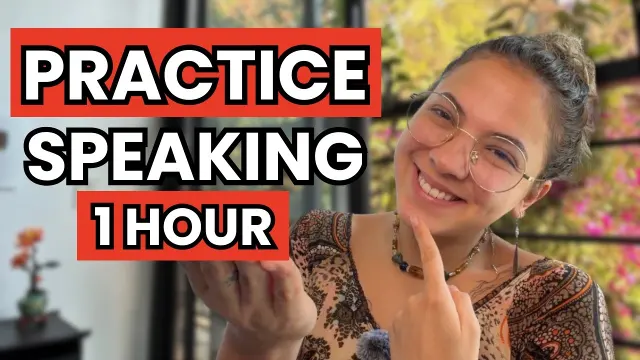 Real Life English Conversation Practice Through Shadowing
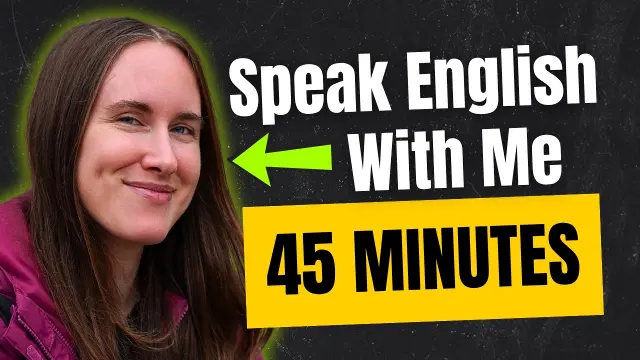 Comprehensive American English Speaking Lesson
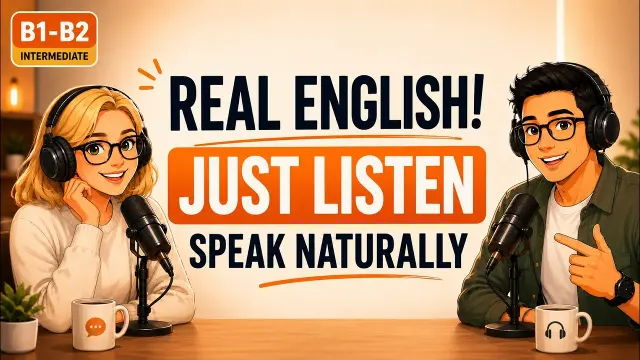 Everyday English Speaking Podcast
Get new #Conversation Practice ideas by email
Every Thursday: the week's best ideas, with the newest from #Conversation Practice.
Collections
Related tags
Conversation Practice for Everyday English
Conversation practice is the simple but powerful habit of using a language in real exchanges. It helps you move from knowing words and grammar to actually speaking and understanding naturally. Whether you are learning English for travel, work, study, or daily life, regular conversation practice builds confidence, improves listening, and makes your responses faster and more natural.
What conversation practice means
At its heart, conversation practice is about interaction. You listen, think, answer, ask a question, and keep the exchange going. Unlike memorizing lists or completing exercises alone, conversation asks you to use language in a real-time way. That is why it can feel challenging at first, but also why it is so effective.
You can practice with a teacher, a language partner, a friend, or even by speaking aloud on your own. The important part is not perfection. It is repeated use, because speaking gets easier when common phrases and sentence patterns become familiar.
Read more
Why it is useful
Conversation practice helps you in several ways:
- It trains your ear to recognize words, pronunciation, and rhythm.
- It helps you recall vocabulary more quickly.
- It gives you practice forming sentences under pressure.
- It teaches you how people respond in everyday situations.
- It builds confidence, especially if you are worried about making mistakes.
Many learners understand more than they can say. Conversation practice helps close that gap. It turns passive knowledge into active skill.
Common kinds of conversation practice
You can practice in different ways depending on your level and goals:
- Guided conversation: You follow a topic or set of questions.
- Role-play: You act out a real-life situation, such as ordering food or asking for directions.
- Free conversation: You speak more naturally without a strict script.
- Shadowing: You repeat spoken language closely to improve rhythm and pronunciation.
- Question-and-answer drills: You practice common questions and answers until they feel automatic.
Each type has value. Beginners often do best with simple prompts and familiar topics, while more advanced learners can use open-ended conversation to stretch their skills.
Practical tips for beginners
If you are just starting, keep the language simple and usable.
- Learn short, useful phrases instead of long memorized speeches.
- Practice everyday topics first, such as introductions, family, hobbies, and routines.
- Give yourself time to think. Pauses are normal.
- Use what you already know instead of trying to use complicated words.
- Repeat the same topic several times so it becomes easier.
- Listen carefully for ready-made expressions that native speakers use often.
It also helps to prepare a few backup phrases, such as asking someone to repeat, slow down, or explain a word in another way. These small tools make real conversations much less stressful.
How to improve over time
Progress comes from steady practice, not from one perfect session. Try to speak regularly, even for a short time. Review new words after a conversation and notice which phrases felt useful. Pay attention to mistakes, but do not let them stop you. They are part of learning.
If you want stronger speaking skills, combine conversation with listening, reading, and pronunciation practice. The more input you get, the easier it becomes to produce natural speech.
Conversation practice is one of the best ways to make a language come alive. It helps you connect meaning, sound, and response, so you can use English with more ease in everyday situations.
#Conversation Practice: frequently asked questions
How do I start practicing conversation if I'm a complete beginner?
Begin with short, everyday phrases you can actually use, such as greetings, introductions, and simple questions about family or hobbies. Practice them aloud until they feel familiar, then try a guided conversation where the topic stays predictable. Keeping the language small and repeated matters more than trying to say something impressive.
Do I need a partner to practice conversation, or can I do it alone?
A partner helps because real exchanges force you to listen and respond, but you can make progress alone by speaking aloud, shadowing recordings, or answering questions you set for yourself. Speaking on your own builds fluency and rhythm, and a partner later adds the unpredictability of a genuine exchange. Many learners use both, depending on what is available to them.
Which kind of conversation practice should I choose?
Match the format to your level and your goal. Guided conversation and role-play suit beginners because the situation is clear, while free conversation stretches learners who can already keep an exchange going. Shadowing and question-and-answer drills are useful alongside any of these when pronunciation or quick recall is the weak point.
What should I do when I don't understand someone during a conversation?
Prepare a few backup phrases in advance, like asking the person to repeat, to slow down, or to explain a word in a different way. Using them is normal and keeps the exchange moving instead of letting it stall. Over time, you will notice that you need them less often.
How do I keep improving after I can hold a basic conversation?
Speak regularly rather than intensely, even in short sessions, and review the phrases that came up afterward so they stay available. Combine conversation with listening, reading, and pronunciation work, since more input makes natural speech easier to produce. Treat mistakes as information about what to practice next rather than as a reason to stop.
What are the most common mistakes learners make in conversation practice?
A frequent one is waiting until everything is perfect, which delays speaking altogether and keeps knowledge passive. Another is memorizing long speeches instead of learning flexible phrases, so the conversation falls apart the moment the other person says something unexpected. Practicing the same familiar topics repeatedly, and listening for expressions people actually use, fixes both.
Videos come from YouTube and posts from Instagram; titles and summaries are our own. All rights belong to their creators.