 Guess the Language Audio Challenge and Quiz
#Language Test
11 ideas
Guess the Language Audio Challenge and Quiz
 Quick English Level Assessment Test
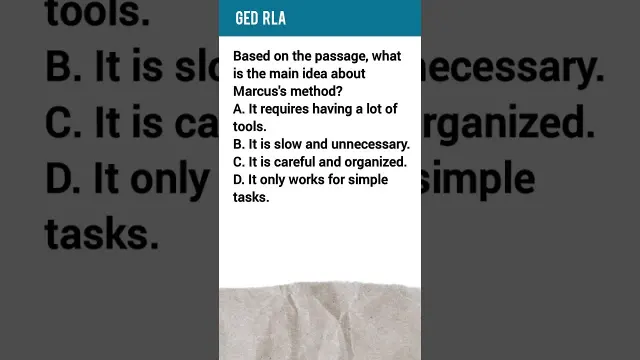 GED Reasoning Through Language Arts Practice Exam
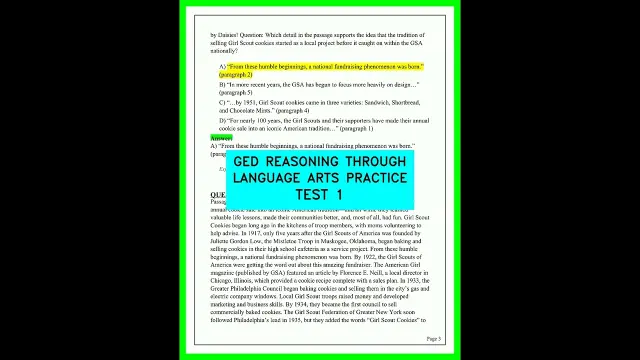 GED Reasoning Through Language Arts Practice Questions
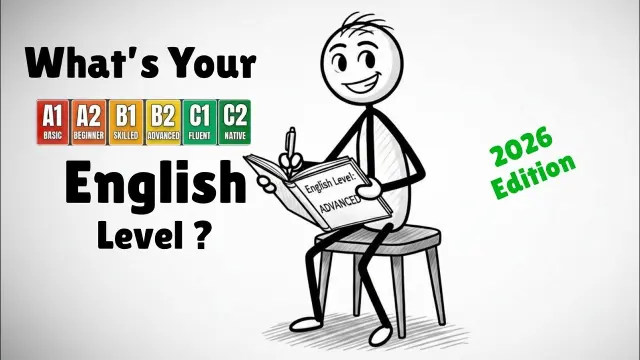 Comprehensive English Level Test from Beginner to Advanced
 Language Cert A1 Sample Test for UK Spouse Visa
 PTE Exam Updates and Test Strategy Guide
 English Listening Skill Challenge With Easy to Hard Dialogues
 GED Language Arts Practice Test with Explained Answers
 English Listening Skill Challenge with Audio Clips
 Challenging Language Arts Practice Questions for the GED
Get new #Language Test ideas by email
Every Thursday: the week's best ideas, with the newest from #Language Test.
Related tags
Language Tests: What They Are and How to Prepare
What a language test is
A language test is a structured way to measure how well someone understands or uses a language. It may check reading, writing, listening, speaking, grammar, or vocabulary, depending on the purpose. Some language tests are used for school placement, job applications, immigration, professional certification, or simply to track your own progress.
Language tests can be formal or informal. Formal tests usually follow fixed rules and scoring methods, while informal tests may be shorter and less standardized. Some are designed for native speakers, but many are made for learners of a second language.
Common parts of a language test
Read more
Different tests focus on different skills, but many include some combination of these areas:
- Listening: understanding spoken language, sometimes from conversations, announcements, or short talks
- Reading: understanding written passages, instructions, or messages
- Writing: composing short answers, paragraphs, letters, or essays
- Speaking: answering questions, describing ideas, or holding a short conversation
- Grammar and vocabulary: choosing correct forms, words, or sentence patterns
Not every test includes all of these. Some are designed to measure overall ability, while others focus on a single skill.
Main types of language tests
Language tests can be grouped in a few broad ways. Placement tests help decide your level before a course starts. Achievement tests check what you have learned in a class or study program. Proficiency tests measure how well you can use a language in a wider sense, without focusing on one specific course.
There are also diagnostic tests, which show your strengths and weaknesses. These can be useful when you want to know which skills need more practice.
How to prepare
The best preparation is steady and balanced. Try to practice the same skills that the test will assess. If the test includes listening, spend time hearing natural speech and answering questions about it. If it includes writing, practice organizing ideas clearly and answering within a set time.
A few useful habits:
- Read the test instructions carefully before you begin
- Practice with timed exercises so the pace feels familiar
- Review common question types, such as multiple choice, short answer, and sentence completion
- Build vocabulary in context, not only as isolated word lists
- Practice speaking aloud if the test includes an oral section
What beginners should know
If you are new to language tests, do not try to learn everything at once. Start by understanding the format. Knowing how long the test is, which skills it covers, and how answers are marked can reduce stress.
It also helps to remember that a language test is only one snapshot of your ability. Some people understand more than they can produce under pressure, and nerves can affect performance. Clear preparation, enough rest, and a calm approach often make a real difference.
Practical tips on test day
- Arrive early or log in well before the start time
- Read each question carefully
- Keep an eye on the clock, but do not rush the easier items
- If you get stuck, move on and return later if possible
- Stay clear and simple rather than trying to write or say too much
With steady practice and a good grasp of the format, a language test becomes much more manageable.
#Language Test: frequently asked questions
How do I start preparing for a language test if I’m a beginner?
Start by learning the test format so you know which skills it covers and how the answers are marked. Then practice the same skills the test will check, such as listening, reading, writing, or speaking, instead of studying everything at once.
What do I usually need for a language test?
That depends on the purpose, but most tests ask you to understand instructions and respond clearly under time pressure. It also helps to bring a calm mindset, basic test-day readiness, and any materials or access details required by the test format.
Which type of language test should I choose?
Choose based on your goal. A placement test helps find your level, an achievement test checks what you learned in a class, and a proficiency test looks at your overall language ability.
How should I practice for a language test with listening or speaking sections?
Use real practice that matches the test, such as listening to natural speech and answering questions about it or speaking aloud in short responses. Focusing on clear answers and familiar question types can make the real test feel much easier.
What are common mistakes people make on language tests?
A common mistake is not reading the instructions closely, which can lead to answering the wrong way. Another is spending too long on one item, so it helps to keep moving and return later if you can.
Can a language test be used for a special occasion or goal?
Yes, many people take language tests for school placement, job applications, immigration, or professional certification. Others use them simply to check progress and find out which skills need more practice.
Videos come from YouTube and posts from Instagram; titles and summaries are our own. All rights belong to their creators.