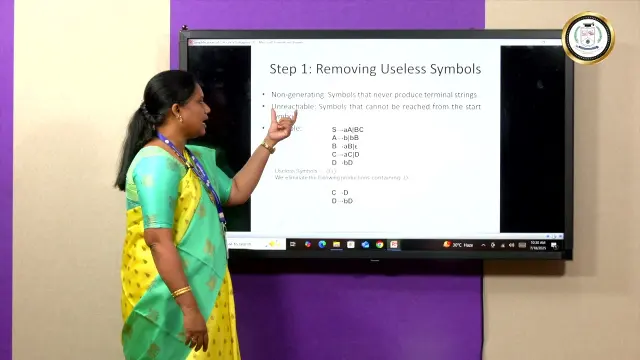
 Simplification Techniques for Context Free Grammars
#Computer Science
51 ideas
Simplification Techniques for Context Free Grammars
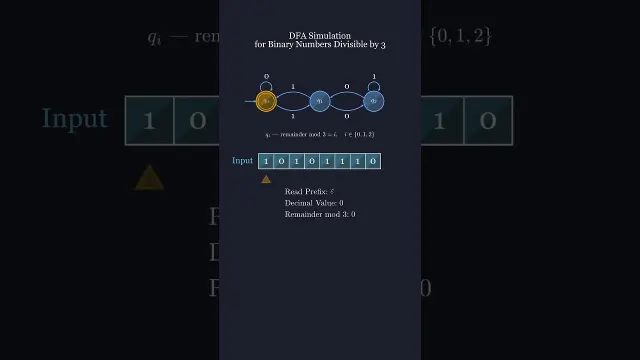 Simulating a DFA for Binary Numbers Divisible by Three
 Automata Theory and the Foundations of Computational Systems
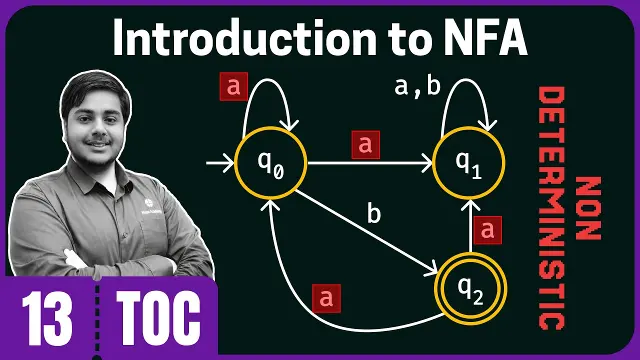 Introduction to Non-Deterministic Finite Automata
 Context-Free Grammar for Regular Expression Star Operation
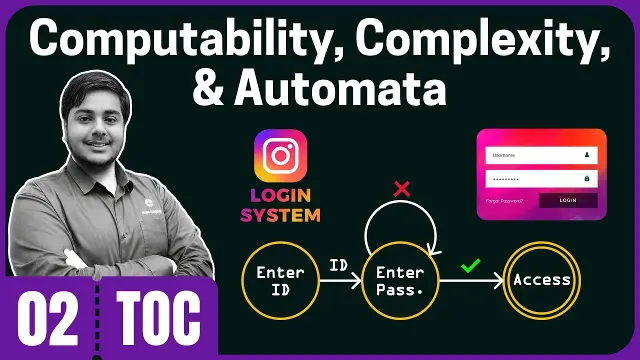 Introduction to Computability and Complexity Theory
 Finite Automata String Matching Algorithm Explained
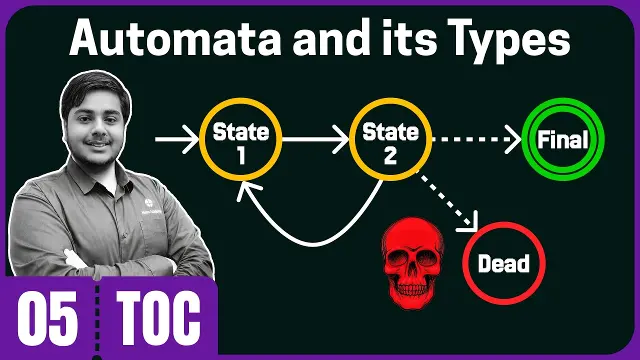 Understanding Automata and Its Various Types
 Biggest Breakthroughs in Computer Science and Computational Research
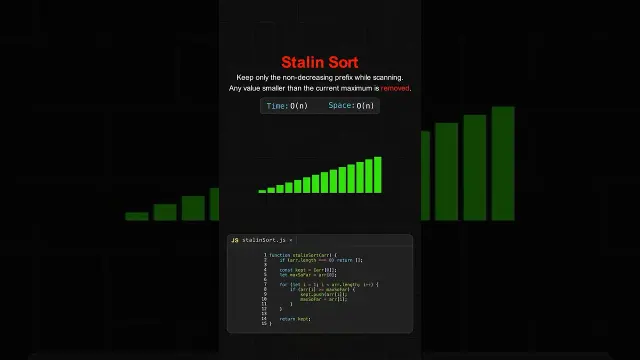 Implementing the Brutal Stalin Sort Algorithm in JavaScript
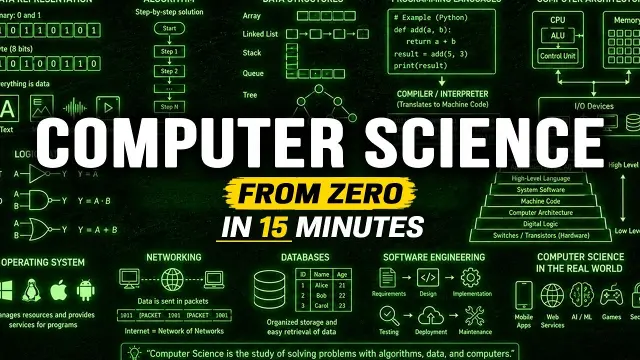 Computer Science Finally Explained for Complete Beginners
 What Is an Algorithm Explained Through Real World Examples
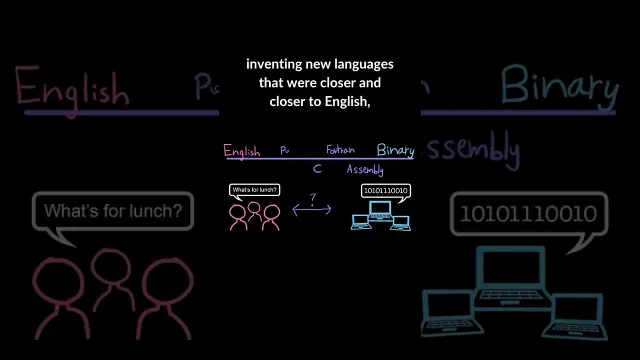 Introduction to Computer Science and Python Programming
 CompTIA A+ Core Two Last Minute Exam Study Guide
 Computer Science Concepts Simply Explained for Learners
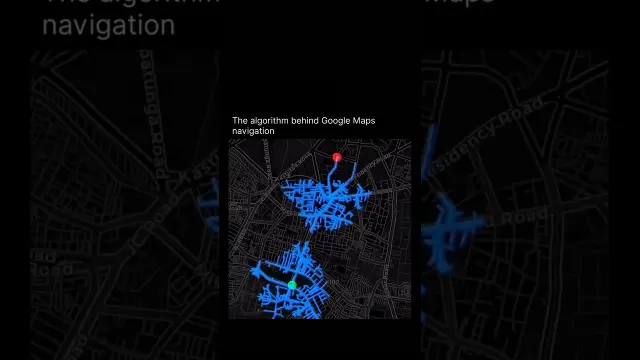 Understanding the Routing and Navigation Algorithms Behind Google Maps
 Harvard Full Computer Science University Course and Lectures
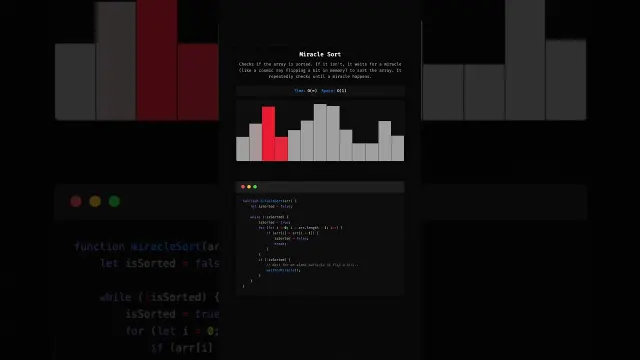 Understanding Miracle Sort as a Meme Programming Algorithm
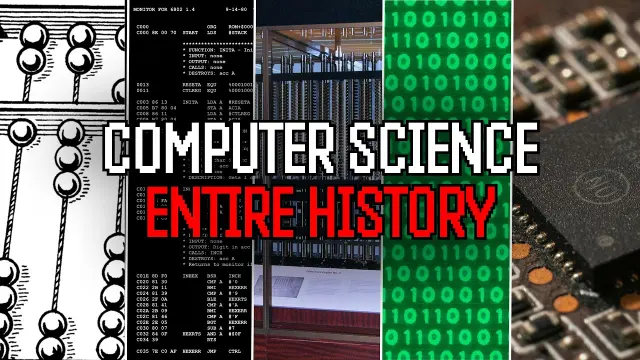 The Entire History Of Computer Science Explained
 Choosing a Degree: Computer Science vs Software Engineering
 The History and Everyday Impact of Computer and Mathematical Algorithms
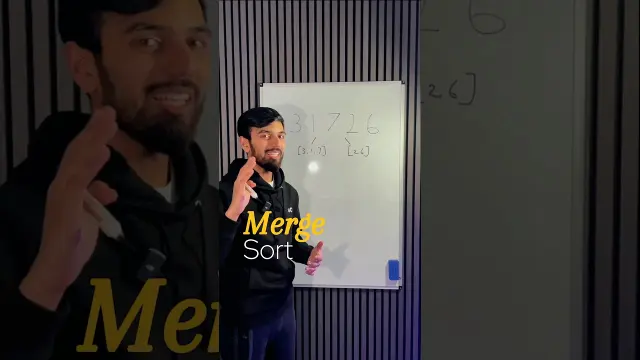 Merge Sort Algorithm in GCSE Computer Science
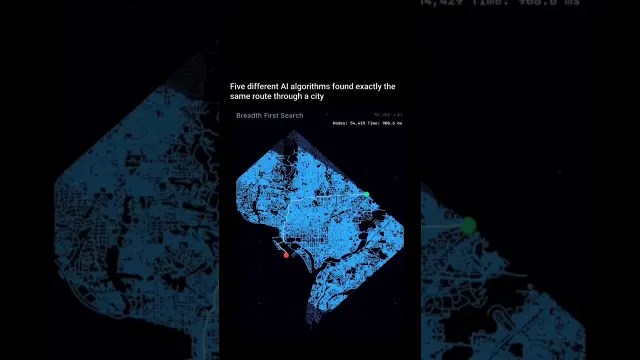 Comparing Five Map Search Algorithms on City Street Networks
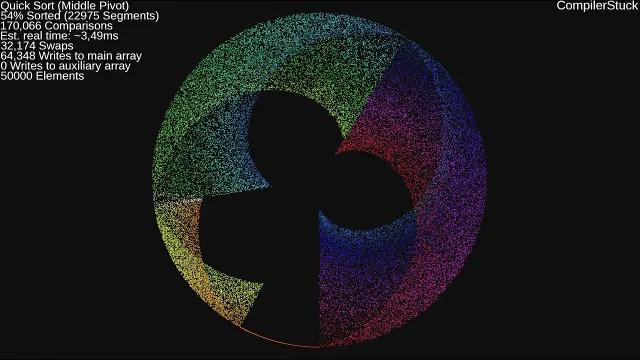 Visualizing Twenty Different Sorting Algorithms with Polar Coordinates
Get new #Computer Science ideas by email
Every Thursday: the week's best ideas, with the newest from #Computer Science.
Related tags
Computer Science Basics and Branches
Computer science is the study of how computers work and how people use them to solve problems. It covers the ideas behind software, hardware, data, networks, and the ways machines can process information. At its heart, computer science is about turning a problem into a set of clear steps that a computer can carry out.
What computer science includes
Computer science is broader than writing code. Programming is one part of it, but the field also includes algorithms, data structures, computer architecture, operating systems, databases, artificial intelligence, cybersecurity, and human-computer interaction. Some parts focus on building systems, while others focus on making those systems reliable, fast, secure, and easy to use.
The field has roots in mathematics, logic, and engineering, and it has grown alongside the development of digital computers. Today it supports many kinds of work, from everyday apps and websites to scientific research, business tools, and communication systems.
Read more
Main branches and ideas
A few core ideas appear again and again in computer science:
- Algorithms: step-by-step methods for solving problems
- Data structures: ways of organizing information so it can be used efficiently
- Programming languages: formal languages used to write instructions for computers
- Software engineering: practices for designing, testing, and maintaining software
- Systems: the study of operating systems, memory, processors, and device interaction
- Networks: how computers exchange information
- Databases: how large collections of data are stored and accessed
- Security: how to protect systems and information
- Theory of computation: what computers can and cannot do in principle
These areas overlap a lot. For example, a simple app may involve programming, databases, user interface design, and security all at once.
What beginners should know
If you are starting out, it helps to think in terms of problem solving rather than memorizing tools. Learn how to break a task into smaller pieces, test your ideas, and improve them step by step. A little logic goes a long way.
It is also useful to become comfortable with basic concepts such as variables, conditions, loops, functions, and input and output. These ideas appear in almost every programming language. Once you understand them in one language, it becomes much easier to learn others.
Practical tips for learning
- Start with small projects that do one thing well
- Write and read code regularly, even for short sessions
- Pay attention to how errors happen and what they mean
- Practice explaining your solution in plain language before coding it
- Learn to use a debugger or simple print statements to trace behavior
- Focus on understanding, not just copying examples
Computer science rewards patience and curiosity. You do not need to know everything at once. If you keep practicing the basics and building small things, the larger ideas start to make sense naturally.
Videos come from YouTube and posts from Instagram; titles and summaries are our own. All rights belong to their creators.