 Automata Theory Basics and Abstract Machines
#Algorithms
20 ideas
Automata Theory Basics and Abstract Machines
 P, NP, and the Core Concepts of Complexity Theory
 Understanding P vs NP and the Future of Complexity Theory
 Intractable Problems and Limits of Computational Complexity
 Finite Automata String Matching Algorithm Explained
 Biggest Breakthroughs in Computer Science and Computational Research
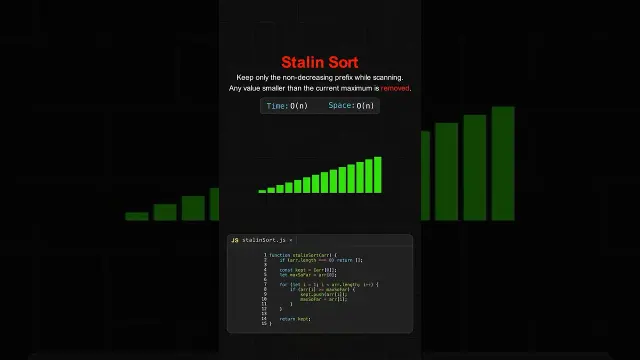 Implementing the Brutal Stalin Sort Algorithm in JavaScript
 What Is an Algorithm Explained Through Real World Examples
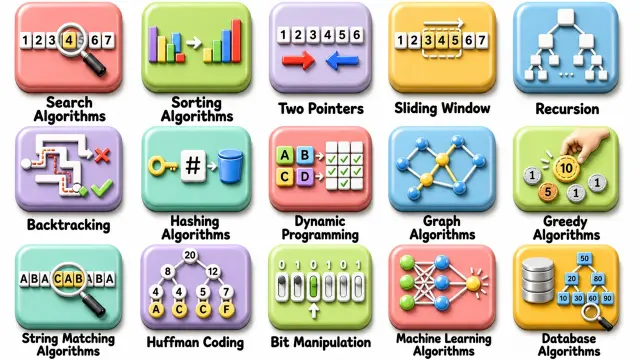 A Complete Guide to Essential Programming Algorithms Explained Simply
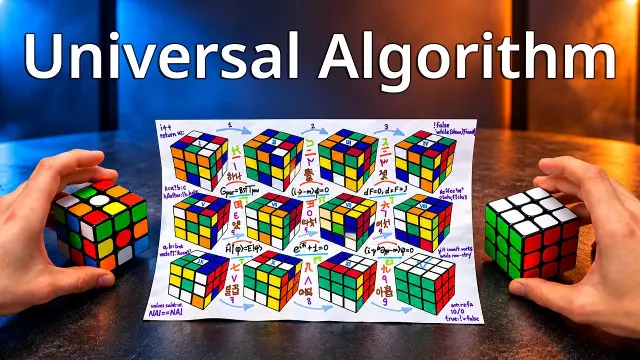 How to Solve a Three by Three Rubik Cube Using a Universal Algorithm
 Understanding the Routing and Navigation Algorithms Behind Google Maps
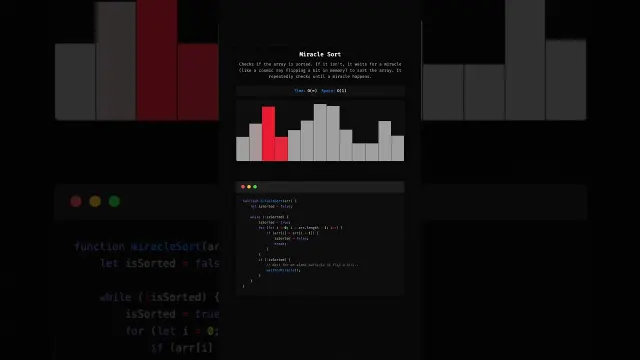 Understanding Miracle Sort as a Meme Programming Algorithm
 Visual Crash Course on Core Data Structures and Algorithms
 The History and Everyday Impact of Computer and Mathematical Algorithms
 Merge Sort Algorithm in GCSE Computer Science
 Comparing Five Map Search Algorithms on City Street Networks
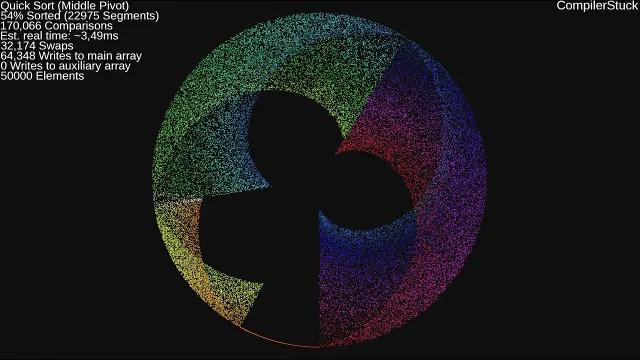 Visualizing Twenty Different Sorting Algorithms with Polar Coordinates
 Harvard Computer Science Lecture on Search and Sorting Algorithms
 Famous Computer Science Algorithms Full Course
 Fifteen Essential Problem Solving Patterns for Data Structures and Algorithms
Get new #Algorithms ideas by email
Every Thursday: the week's best ideas, with the newest from #Algorithms.
Related tags
Algorithms: A Guide to How They Work
What an algorithm is
An algorithm is a clear, step-by-step method for solving a problem or completing a task. In computing, algorithms tell a computer how to turn input into output in a reliable way. Outside computing, you use algorithms all the time without noticing them: a recipe, a set of instructions, or a decision process can all be thought of as algorithms.
The key idea is that an algorithm must be precise enough that it can be followed consistently. It should also have a defined beginning, a series of steps, and an end. Good algorithms are not just correct; they are also practical, meaning they get the job done in a reasonable amount of time and with reasonable effort.
Where algorithms come from
Read more
Algorithms are not a modern invention. People have used structured methods for solving problems for a very long time, especially in mathematics and navigation. In computer science, algorithms became especially important because computers need exact instructions. A computer cannot guess what you mean, so the logic must be broken into unambiguous steps.
Many algorithms are designed by hand to solve common tasks such as sorting data, searching for an item, or finding the shortest route through a network. Others are adapted for different kinds of data or different goals, such as speed, simplicity, or memory use.
Common kinds of algorithms
There are many ways to classify algorithms, but some familiar types include:
- Sorting algorithms, which arrange items in order
- Search algorithms, which find a specific item or answer
- Graph algorithms, which work with networks of connected points
- Recursive algorithms, which solve a problem by calling smaller versions of the same problem
- Greedy algorithms, which make the best local choice at each step
- Divide-and-conquer algorithms, which split a problem into smaller parts and combine the results
Each type has strengths and weaknesses. For example, one method may be easy to understand but slow for large data, while another may be faster but more complex to implement.
What beginners should know
If you are new to algorithms, focus first on logic rather than memorizing names. Ask yourself:
- What is the input?
- What result do I want?
- What steps transform one into the other?
- Is the method always correct?
- How efficient is it?
It helps to write out an algorithm in plain language before turning it into code. You can also test it on small examples to see whether it behaves as expected. This habit makes it easier to spot mistakes early.
Practical tips for understanding algorithms
A good way to learn algorithms is to compare different methods for the same task. For example, two sorting algorithms may produce the same result, but one may be better for small lists and another for large ones. This teaches you that algorithm choice depends on context.
When you study algorithms, pay attention to clarity, correctness, and efficiency. These three qualities matter in both programming and everyday problem-solving. Over time, you will start to recognize common patterns, and that will make new problems easier to approach.
Videos come from YouTube and posts from Instagram; titles and summaries are our own. All rights belong to their creators.