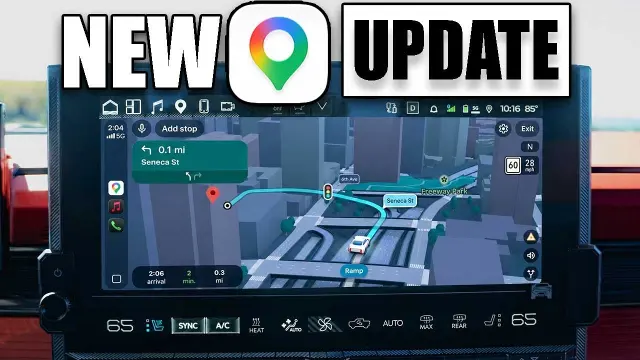
 Google Maps updates Apple CarPlay with enhanced 3D visuals and Gemini details
#Navigation
5 ideas
Google Maps updates Apple CarPlay with enhanced 3D visuals and Gemini details
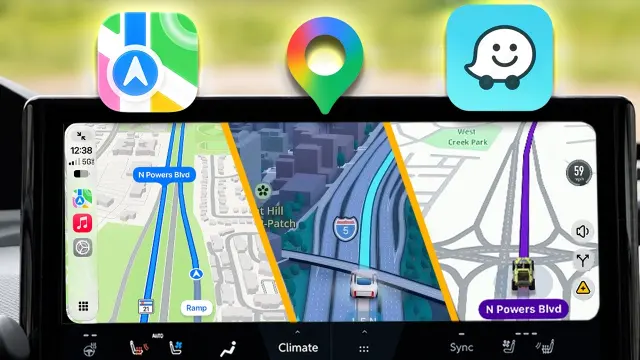 Comparing Apple Maps, Google Maps, and Waze features on Apple CarPlay
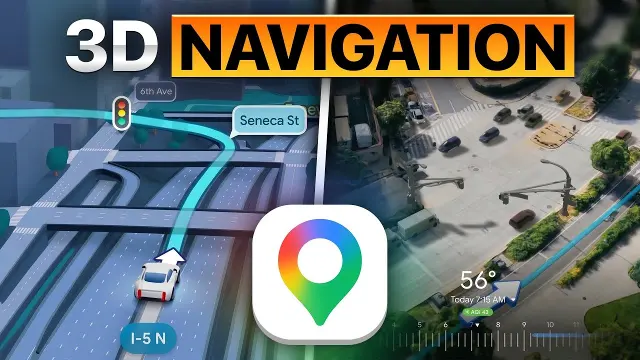 Google Maps introduces new 3D navigation features to clarify complex intersections
 The mathematics and shortest path algorithms behind Google Maps performance
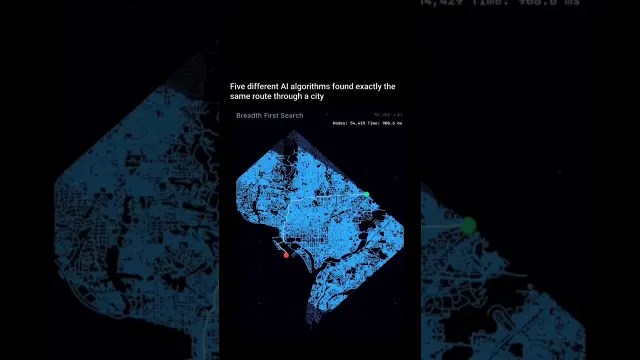 Comparing Five Map Search Algorithms on City Street Networks
Get new #Navigation ideas by email
Every Thursday: the week's best ideas, with the newest from #Navigation.
Related tags
Navigation: Finding Your Way With Confidence
What navigation is
Navigation is the skill of finding your way from one place to another. People use it on foot, by car, at sea, in the air, and on digital devices. At its heart, navigation is about understanding where you are, deciding where you want to go, and choosing how to get there safely and efficiently.
For as long as people have travelled, they have relied on clues in the landscape, the stars, maps, and later compasses and route-planning tools. Today, navigation can be as simple as following signs in a town or as detailed as plotting a route across unfamiliar terrain.
Main kinds of navigation
Read more
There are several common forms of navigation:
- Map reading: using a paper or digital map to understand roads, paths, landmarks, and distances
- Compass navigation: using a compass to keep direction, especially outdoors
- Route navigation: following a planned path from start to finish
- Landmark navigation: using visible features such as buildings, rivers, bridges, or hills to orient yourself
- GPS-based navigation: using satellite positioning and digital maps to show your location and suggest routes
Each kind has its strengths. A map helps you see the bigger picture, while a compass helps with direction. Digital navigation is convenient, but it is still wise to understand basic map skills in case a signal is weak or a device runs out of power.
What beginners should know
If you are new to navigation, start with the basics:
- Learn the four cardinal directions: north, south, east, and west
- Practice reading a simple map key or legend
- Notice scale, so you can judge distance more accurately
- Look for landmarks to confirm your position
- Check your route before you leave, not only while you are already travelling
It also helps to stay calm if you feel lost. Stop, look around, and compare what you see with your map or surroundings. Panic makes it harder to think clearly.
Practical tips for everyday wayfinding
Good navigation is often about preparation and observation rather than memory alone.
- Check your route in advance, especially in unfamiliar places
- Keep a sense of direction by noticing where the sun rises and sets, or by using your compass or device
- Break a journey into smaller steps instead of trying to remember everything at once
- Use clear reference points, such as stations, junctions, or large landmarks
- If walking or driving in a busy area, pay attention to signs as well as the map
Why navigation matters
Navigation is useful in daily life, travel, outdoor activities, and emergencies. It helps you move with more confidence, saves time, and reduces stress. Over time, it also strengthens your spatial awareness, which is your ability to understand how places relate to one another.
The best navigators combine tools with awareness. Whether you prefer a folded map, a compass, or a phone, the essential habit is the same: know where you are, know where you want to go, and keep checking that the two still match.
Videos come from YouTube and posts from Instagram; titles and summaries are our own. All rights belong to their creators.