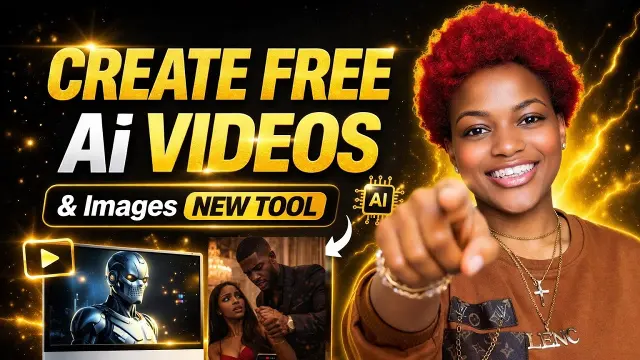
 Beginner Tutorial: Making Videos and Images With Free AI Tools
#Content Creation
2 ideas
Beginner Tutorial: Making Videos and Images With Free AI Tools
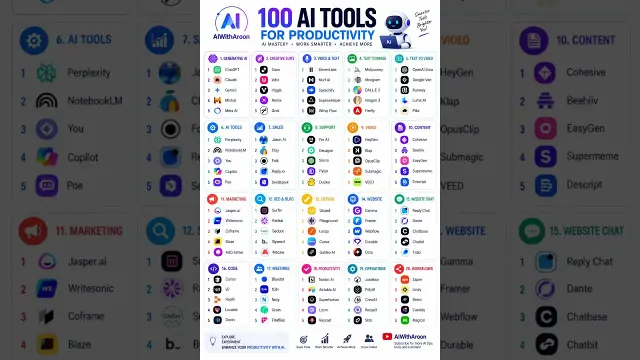 A Tour of 100 AI Tools for Productivity, Split by Category
Get new #Content Creation ideas by email
Every Thursday: the week's best ideas, with the newest from #Content Creation.
Related tags
Content Creation: A Practical Beginner's Guide
Content creation is the work of making something — words, pictures, sound, video — and putting it out into the world for other people to read, watch, listen to or use. The phrase covers a wide range of activity: a blog post, a photograph, a short video, a podcast episode, a newsletter, a tutorial, a recipe card. What connects them is intent. You are not simply posting; you are making a thing with an audience in mind.
Where it comes from
People have always shared what they made, but the term itself grew up alongside the internet, when publishing stopped being something only studios, newspapers and broadcasters could do. Once anyone with a connection could put work in front of strangers, a whole set of new skills came together under one label. Much of what content creation involves is older than the internet, though — editing, sequencing, storytelling, knowing your audience — borrowed from journalism, design, teaching and craft.
The main kinds
Read more
- Written: articles, essays, newsletters, guides, captions, scripts.
- Visual: photography, illustration, graphics, infographics, design of all sorts.
- Audio: podcasts, interviews, voiceovers, music.
- Video: tutorials, vlogs, explainers, short clips, long-form pieces.
- Interactive: quizzes, templates, downloadable tools, worksheets.
Most creators work across two or three of these rather than all of them. A video needs a script; a blog post needs an image; a podcast needs a description.
Before you start
Decide who you are making it for. One person, clearly imagined, is more useful than "everyone". Then decide what you want them to feel, know or be able to do afterwards. Choosing one format and doing it well is almost always better than trying every format at once.
Think about the constraint you are working under. Time, equipment, energy and skill all shape what you can realistically produce. A steady weekly post you can sustain beats an ambitious project that stalls after three weeks.
Practical habits
- Plan a small buffer. A rough list of ideas and a couple of finished pieces in reserve takes the pressure off.
- Keep a capture habit. Notes, photos, half-thoughts — collect material before you need it.
- Learn the basics of your tools, not all of their features.
- Edit with a pause in between. Coming back to your own work a day later makes weak spots obvious.
- Check your facts, credit other people's work and ask before using someone's images or music.
- Read your own captions and descriptions aloud. If they sound like a brochure, rewrite them.
- Rest. Burnout is the most common reason good projects stop.
Finding your voice
Voice is not a style you choose and then apply; it is what is left after you stop imitating. Read widely, notice what you admire and why, then make a lot of imperfect things. Consistency of tone matters more than polish, and the audience that stays is usually the one that recognised something honest in the work.
Start small, finish often, and let the rhythm carry you.
#Content Creation: frequently asked questions
How do I start creating content when I have no experience?
Pick one format you can actually produce with the time and equipment you already have, and make something small and finished rather than something ambitious and abandoned. Decide who it is for and what you want that person to feel or be able to do afterwards, then publish and repeat. Skill comes from finishing a lot of imperfect pieces, not from waiting until you feel ready.
Do I need expensive equipment or professional software to begin?
No — the constraint that matters most is your own consistency, so work within what you already own. Learn the basics of your tools rather than all of their features, and upgrade only when a specific limitation is genuinely holding your work back. A steady output made with modest gear beats polished work that never appears.
Which kind of content should I choose — writing, visuals, audio or video?
Choose the format that matches both what you enjoy making and how your audience prefers to take things in, then do that one well instead of trying everything at once. Most creators settle into two or three formats that naturally support each other, such as a video that needs a script or a written piece that needs images. It is fine to experiment, but keep one main format as your anchor.
How can I keep going without burning out?
Build a small reserve — a running list of ideas plus a couple of finished pieces — so a bad week does not break your rhythm, and collect notes, photos and half-thoughts before you need them. Edit with a pause in between, coming back to your own work a day later so weak spots become obvious. Rest is part of the process; exhaustion is the most common reason good projects stop.
What mistakes do new creators make most often?
Trying to appeal to everyone, launching several formats at once, and copying someone else's style so closely that no voice of their own shows through. Others are skipping the editing pass, using other people's images or music without permission, and writing captions that sound like marketing copy rather than a person talking. Reading your own descriptions aloud is a quick way to catch the last one.
Can I use AI tools to make images and videos if I am a beginner?
Free AI tools can genuinely lower the barrier for someone learning to make visuals and video, and they are worth exploring for drafts, mockups and quick experiments. Treat them as part of your toolkit rather than a replacement for your own intent and judgement, and always check the terms of what you generate and credit or disclose where it is expected.
Videos come from YouTube and posts from Instagram; titles and summaries are our own. All rights belong to their creators.