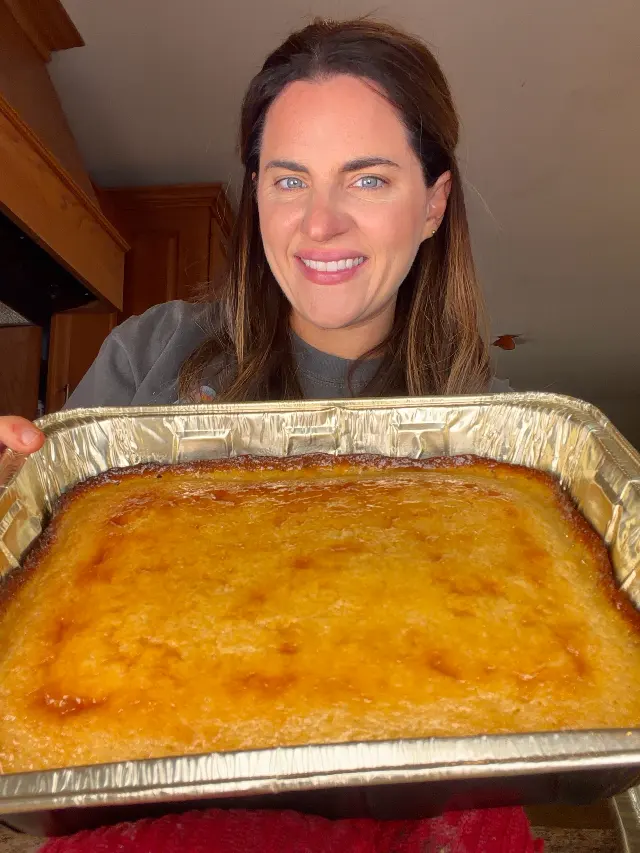
 Honey Butter Cornbread Recipe
#Cornbread
1 ideas
Honey Butter Cornbread Recipe
Get new #Cornbread ideas by email
Every Thursday: the week's best ideas, with the newest from #Cornbread.
Related tags
Cornbread: A Guide to Cornmeal Baking
Cornbread is a baked bread made from cornmeal, the flour ground from dried maize. It belongs to the cooking of the Americas, where corn was cultivated long before wheat arrived, and it remains one of the most recognisable everyday breads in the United States, especially in the South. Its appeal is practical: cornmeal is inexpensive, the batter comes together in minutes, and the bread bakes quickly in a hot oven.
What it is and where it comes from
Cornmeal breads existed across the Americas in many forms long before European settlers arrived. Once wheat flour and dairy became widely available, cooks combined the two traditions, and cornbread took on the shapes we know today. Related breads include johnnycake, a flat cornmeal cake; corn pone, mixed by hand and baked in a pan; spoonbread, a soft, pudding-like bake; and hushpuppies, small deep-fried balls of seasoned batter.
The main styles
Read more
The great divide is between Southern and Northern cornbread, and it comes down to sweetness and richness. Southern cornbread is typically savoury, made with buttermilk and little or no sugar, and baked in a screaming-hot cast-iron skillet greased with bacon fat or oil, which gives it a dark, crisp crust. Northern versions tend to be sweeter, cakier, and higher in flour. Neither is more authentic than the other; they are regional habits, and both are good.
You will also find white and yellow cornmeal. White is traditional in much of the South, yellow elsewhere, and the difference is mostly visual, though stone-ground meal carries more flavour and texture than finely milled supermarket cornmeal.
What beginners should know
- Choose your cornmeal deliberately. Stone-ground meal gives a coarser crumb and fuller corn taste; fine meal bakes lighter and sweeter.
- Preheat the pan. Put the skillet or tin with its fat into the oven while it heats. Pouring batter into a hot, greased pan sets the crust immediately.
- Do not overmix. Stir the dry and wet ingredients together just until no dry patches remain. Lumps are fine; a smooth, beaten batter bakes tough.
- Let it rest briefly. A few minutes in the bowl lets the cornmeal absorb liquid and soften.
- Bake until the edges pull away from the pan and a skewer in the centre comes out clean.
Serving and keeping
Cornbread is at its best warm, split and buttered, or served alongside beans, greens, soup, chilli or roast chicken. Day-old bread is excellent crumbled into stuffing or toasted and buttered for breakfast. Store it loosely covered at room temperature and eat it within a couple of days; cornbread dries out faster than wheat bread, so wrapping it tightly and reheating gently restores much of its tenderness.
Above all, cornbread rewards simplicity: good cornmeal, fresh buttermilk, a hot pan and a light hand.
#Cornbread: frequently asked questions
How do I start making cornbread for the first time?
Begin with a simple batter of cornmeal, buttermilk, egg, a little fat and a raising agent, mixed together by hand until just combined. The one habit worth building from the start is preheating your pan with its fat inside the oven, so the batter hits a hot, greased surface and forms a crust straight away. Keep the mixing light and the rest of it is forgiving.
What do I need in the kitchen to bake cornbread?
A heavy ovenproof skillet or a baking tin is the main piece of equipment, ideally cast iron, plus a couple of bowls and a whisk or spoon. On the ingredient side you need cornmeal, buttermilk or a suitable substitute, an egg, some fat such as butter or bacon drippings, and a raising agent. Nothing else is strictly necessary, and the plain version is often the best one.
Should I choose Southern or Northern style cornbread?
It comes down to whether you want savoury or sweet: Southern versions are unsweetened or barely sweet, rich with buttermilk and baked in a hot greased skillet, while Northern ones are cakier, sweeter and contain more wheat flour. Neither is the correct one, they are simply regional habits, so pick the texture and flavour you actually enjoy eating. You can also choose your cornmeal on the same principle, with stone-ground meal giving a coarser crumb and fuller corn flavour than finely milled meal.
How should I store cornbread and use up what is left?
Keep it loosely covered at room temperature rather than sealed tight while it is still warm, and eat it while it is fresh, since cornbread stales faster than wheat bread. If it does dry out, a gentle reheat wrapped in foil brings back much of the tenderness. Leftover cornbread is also very good crumbled into stuffing, or split, toasted and buttered for breakfast.
What are the common mistakes people make with cornbread?
The usual culprits are overmixing the batter until it turns smooth and tough, and pouring it into a cold or barely greased pan so the crust never sets. Skipping the short rest before baking also matters, because the cornmeal needs a moment to absorb the liquid and soften. Finally, take it out as soon as the edges pull away from the pan and a skewer in the middle comes out clean, rather than leaving it in for extra colour.
What can I serve with cornbread, or make for a special occasion?
Warm and split with butter, it suits beans, greens, soup, chilli or roast chicken, and a flavoured butter such as honey butter turns it into something worth putting on a party table. For gatherings, bake it in a skillet and serve it straight from the pan so the crust stays crisp, or cut it into squares and offer it alongside a bowl of chilli. Day-old cornbread crumbled into stuffing is another good way to build it into a bigger meal.
Videos come from YouTube and posts from Instagram; titles and summaries are our own. All rights belong to their creators.