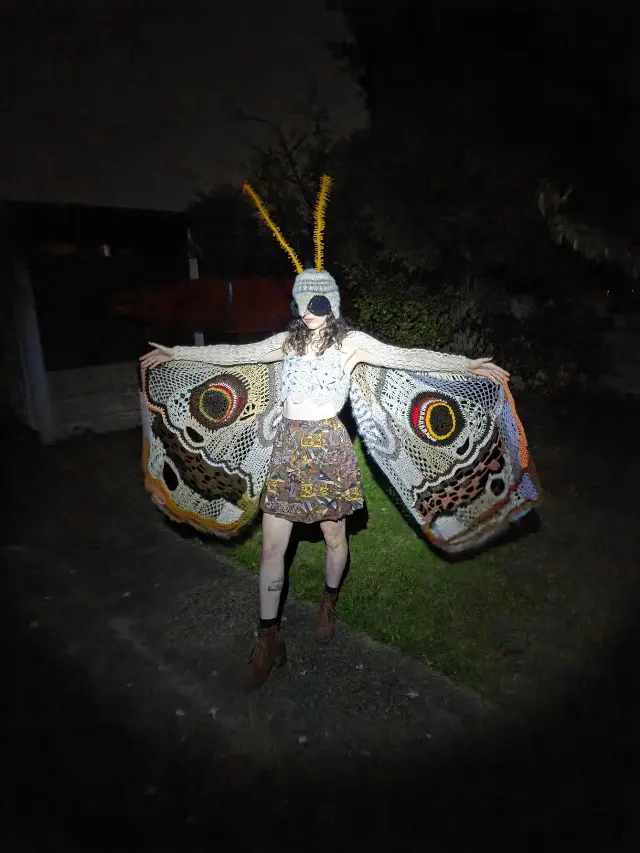
 Handmade Halloween Moth Costume
#Costume
3 ideas
Handmade Halloween Moth Costume
Get new #Costume ideas by email
Every Thursday: the week's best ideas, with the newest from #Costume.
Related tags
Costume Guide: Types, Styles, and Making Your Own
What a costume is
A costume is a complete outfit chosen to represent a character, a role, a period, a culture, an event, or an idea. People wear costumes for play, performance, celebration, photography, festivals, theatre, dance, and themed occasions. A costume can be elaborate or simple, handmade or bought, realistic or playful. What matters most is that the clothing and accessories work together to create a clear impression.
Costumes have a long history. In many places, they have been used in ceremonies, rituals, theatre, and public celebrations. Over time, they also became part of masquerades, parades, school events, and fancy-dress parties. Today, the word can refer to everything from traditional regional dress to a made-up character look.
Main kinds of costume
Read more
There are many ways to think about costumes, but a few broad kinds appear again and again:
- Character costumes: inspired by fictional people, storybook figures, heroes, villains, or imaginative characters.
- Historical costumes: based on clothing from another time period, often used in theatre, re-enactment, or themed events.
- Cultural and traditional dress: garments tied to a place, community, or ceremony, often worn with respect and context.
- Occupational costumes: outfits that suggest a profession, such as uniforms or work-inspired dress.
- Fantasy and creature costumes: looks based on fairies, animals, monsters, or magical worlds.
- Performance costumes: designed for stage use, where movement, visibility, and expression matter as much as appearance.
What makes a costume work
A strong costume usually has a clear shape, a few defining details, and a sense of intention. You do not need every possible accessory. In fact, too many elements can make the look confusing. Start with the main silhouette, then add the pieces that communicate the idea most quickly: color, fabric, texture, headwear, shoes, jewelry, or props.
When you are putting a costume together, think about comfort as well as appearance. You may need to walk, sit, dance, or wear the outfit for several hours. Choose pieces that fit well, allow movement, and suit the weather or setting. If you are making the costume yourself, simple sewing, layering, cutting, dyeing, or adding decorations can be enough.
Tips for beginners
- Begin with a clear idea and keep it simple.
- Use clothes you already own as a base.
- Focus on one or two recognizable details.
- Try the full outfit on before the event.
- Make sure you can move, breathe, and see properly.
- If the costume includes makeup or face coverings, test them in advance.
- Keep safety in mind with long hems, sharp accessories, and anything that could slip or tangle.
Choosing a costume with care
If you are inspired by a culture, tradition, or real group of people, take time to understand its meaning and wear it respectfully. A costume should not depend on stereotypes. The best costumes show imagination, effort, and attention to detail while still feeling comfortable and appropriate for the occasion.
Whether you are dressing for fun, performance, or celebration, a costume is a chance to tell a story through clothing. A few thoughtful choices can turn ordinary pieces into something memorable.
Videos come from YouTube and posts from Instagram; titles and summaries are our own. All rights belong to their creators.