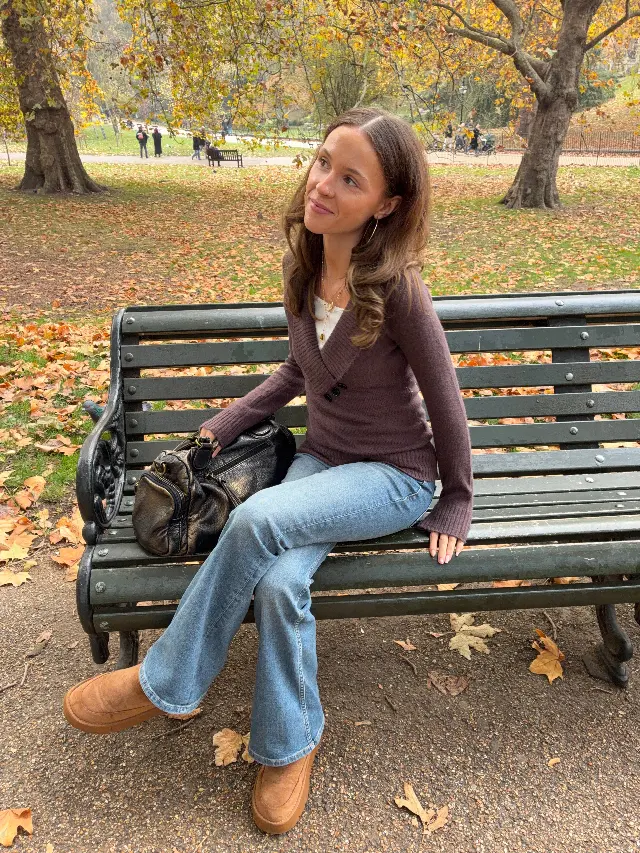
 Cosy Autumn Weekend Outfit from London
#Cosy Style
1 ideas
Cosy Autumn Weekend Outfit from London
Get new #Cosy Style ideas by email
Every Thursday: the week's best ideas, with the newest from #Cosy Style.
Related tags
Cosy Style: Building Warmth Into Everyday Life
Cosy style is less a look than a way of arranging comfort. It is what happens when you choose clothes and rooms for how they feel against the skin and how they make an evening pass, rather than for how they photograph. Nothing about it requires a new wardrobe or a bigger budget. Mostly it asks you to notice what you already reach for when you are tired and cold, and to take those things seriously.
Where the idea comes from
The word people most often borrow is hygge, the Danish notion of sheltering from the dark months with warm light, good food and company. Similar instincts turn up wherever winters are long, from thick knitted layers in northern Europe to the deep eaves and wood fires of older country houses. Modern cosy style borrows from several of these: the soft tailoring of country dressing, the texture of hand-knitting traditions, and the general slow-living preference for fewer, better-worn things. None of it is new. It is a return to dressing and living in response to weather rather than to a calendar of trends.
What it looks like
Read more
Texture does most of the work. Wool, brushed cotton, flannel, corduroy, fleece and chunky knits carry warmth without weight; linen and light cotton do the same job in warmer weather. Natural fibres generally breathe better than synthetic ones and grow softer with wear, which is why an old jumper usually feels better than a new one.
Shapes are loose and easy: dropped shoulders, roomy sleeves, trousers you can sit on the floor in. Colours tend towards oatmeal, cream, camel, moss, charcoal, rust and deep muted blues, though warmth comes as much from contrast of texture as from palette. A smooth knit next to a nubby one reads richer than either alone.
Building a cosy wardrobe
- Begin with the layer closest to your skin. It sets the temperature for everything above it.
- Invest in two or three good knits rather than many thin ones, and choose fibres you enjoy touching.
- Add a mid layer with some give: an oversized shirt, a soft cardigan, a fleece with structure.
- Keep one outer layer roomy enough to sit over all of it without pinching.
- Do not overlook feet. Warm socks and a pair of soft house shoes change how long you are willing to stay put.
Cosy at home
Rooms follow the same logic. Low, warm light from several small lamps feels gentler than one bright ceiling fixture. Throws, cushions and a rug do for a room what a cardigan does for you: they soften edges. Natural materials such as wood, wool, stoneware and linen age well and hold warmth. A little order helps too; comfort deepens when you can find the blanket.
A word on care
Cosy clothes last when you treat them gently. Air wool between wears, wash it rarely and cool, dry knits flat, and store folded rather than hung. Buy slowly and repair what you love; the softness you are chasing comes from years, not purchases.
Getting started
Choose one thing this week: a texture you like, a lamp in the right corner, a jumper you actually want to live in. Cosy style grows by small, repeated decisions rather than a single overhaul.
#Cosy Style: frequently asked questions
What exactly is cosy style, and how is it different from just dressing warmly?
Cosy style is about choosing clothes and rooms for how they feel and how they make your time pass, rather than for how they look in a photo. Dressing warmly is only the physical half of it; the rest is texture, soft light and a bit of ease in the shapes you wear. It is closer to a set of habits than to a look you can buy.
How do I start building a cosy wardrobe without buying a whole new one?
Begin by noticing what you already reach for when you are tired or cold, and treat those pieces as the foundation rather than the fallback. Build outward from the layer closest to your skin, since it sets the temperature for everything above it. Adding one texture you genuinely enjoy touching is enough to begin with.
Which fabrics should I look for, and which should I avoid?
Wool, brushed cotton, flannel, corduroy, fleece and chunky knits give warmth without much weight, while linen and light cotton do the same job in milder weather. Natural fibres tend to breathe better than synthetic ones and soften with wear, which is why a well-worn jumper usually feels better than a new one. Choose by touch as much as by label, because you will only keep wearing what feels good.
How should I care for knits and other cosy clothes so they last?
Air wool between wears instead of washing it every time, and when you do wash, keep it cool and gentle. Dry knits flat rather than hanging them, and store them folded so the shoulders do not stretch. Buying slowly and repairing what you love is what produces the softness you are after.
How can I make a room feel cosy without redecorating?
Swap a single bright overhead light for several low, warm lamps so the room reads gentler in the evening. Throws, cushions and a rug soften the hard edges of a space the way a cardigan softens an outfit, and natural materials such as wood, wool and stoneware hold warmth as they age. A little order helps as well, since comfort deepens when you can actually find the blanket.
What are the most common mistakes people make when trying to be cosy?
The usual one is buying a lot of thin, cheap layers instead of a few fibres you enjoy wearing, which leaves you cold and cluttered at once. Another is chasing the look in photos rather than the feeling in the room, so everything matches but nothing is comfortable. Ignoring the outer layer and your feet is a quieter mistake, since a pinching coat or cold feet undoes everything underneath.
Videos come from YouTube and posts from Instagram; titles and summaries are our own. All rights belong to their creators.