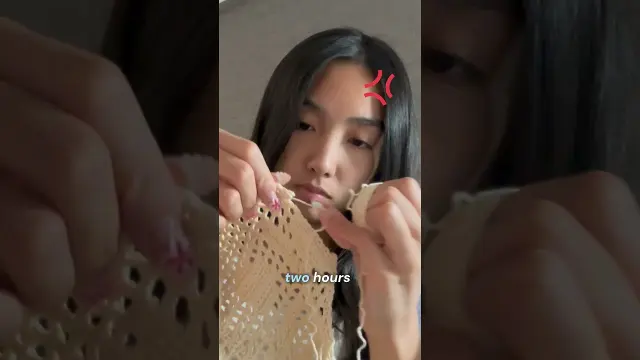
 Filet Crochet Summer Top Worked in Soft Cotton Yarn
#Cotton Yarn
1 ideas
Filet Crochet Summer Top Worked in Soft Cotton Yarn
Get new #Cotton Yarn ideas by email
Every Thursday: the week's best ideas, with the newest from #Cotton Yarn.
Related tags
Cotton Yarn: A Guide to Types, Uses and Care
Cotton yarn is spun from the soft white fibres that grow inside the seed pods, or bolls, of the cotton plant. Those fibres are harvested, cleaned, combed and twisted into a thread strong enough to knit, crochet, weave or braid. Because it comes from a plant rather than an animal, cotton behaves quite differently from wool: it feels cool against the skin, absorbs moisture well, carries no lanolin, and takes dye in clear, bright colours.
A fibre with a long history
Cotton has been grown and spun for thousands of years, across India, Egypt, China and the Americas, and for much of that time it was a luxury worked by hand. Hand-spinning gave way to machinery, and today cotton is one of the most widely used textile fibres in the world. For makers, the appeal is practical: it is breathable, hard-wearing, machine washable, and comfortable in warm weather.
What it is used for
Read more
Cotton is a year-round workhorse. It suits summer garments such as tops, dresses and light cardigans; household items like dishcloths, washcloths, potholders and towels, where absorbency matters; baby blankets and toys; and accessories from market bags to macramé plant hangers. In weaving it makes crisp teatowels and table linen, and in embroidery it gives smooth, defined stitches.
The main kinds
Cotton comes in many preparations, and the differences matter more than the label suggests.
- Carded cotton is simply cleaned and aligned; it is slightly softer and loftier, with a warmer, more rustic surface.
- Combed cotton has the short fibres removed, leaving a smoother, stronger, more lustrous yarn that resists pilling.
- Mercerised cotton is treated under tension so the fibre swells and straightens; it becomes silkier, stronger and more reflective, and holds dye deeper.
- Organic and recycled cottons are grown or reworked with less environmental load, and behave much like their conventional counterparts.
- Blends with wool, linen, silk or synthetic fibres borrow the best of both: elasticity from wool, drape from linen, durability from synthetics.
Yarns are sold in a range of thicknesses, from fine lace weight for delicate shawls up to bulky weights for baskets and rugs.
What beginners should know
Cotton has very little natural stretch, so it is unforgiving of tight tension. Let your hands relax and choose needles or hooks with a smooth tip and a slightly deeper groove; cotton is prone to splitting, and a well-polished tool helps. Because the yarn does not bloom and fill gaps the way wool does, stitch definition is excellent, which makes textured patterns and lace a pleasure. Always swatch, and wash your swatch, before you commit to a garment.
Practical tips
Cotton is heavy, and a long knitted piece will lengthen under its own weight, so measure garments hanging rather than flat. Dry finished work flat and reshape it while damp; hanging wet cotton can distort it permanently. Cotton does not felt, so woven-in ends can work loose with wear: secure them firmly and leave a generous tail. Wash in cool water, avoid wringing, and store pieces dry to prevent mildew.
#Cotton Yarn: frequently asked questions
How do I start my first project with cotton yarn?
Begin with something small and flat, like a washcloth, a simple market bag or a baby blanket square, so you can get used to how the fibre behaves before committing to a garment. Make a swatch first, then wash and dry it, because cotton can shrink or grow in ways that only show up after washing. Keep your hands relaxed from the very first row, since cotton has almost no give and will not forgive tight stitches.
What supplies do I need to work with cotton yarn?
You need the yarn, a pattern, and needles or a hook with a smooth, polished tip and a slightly deeper groove, which helps the tool glide through a fibre that tends to split. Add a tapestry needle for weaving in ends, scissors, and a tape measure. A towel or blocking mat for drying finished pieces flat is worth having on hand too.
Which type of cotton yarn should I pick for my project?
Carded cotton is soft and slightly rustic, so it suits cozy home items and simple accessories; combed cotton is smoother and more resistant to pilling, which makes it a good choice for garments. Mercerised cotton has a subtle sheen and more strength, so it works well for lace, fine tops and anything you want to look polished. Blends are useful when you want a little elasticity or drape that pure cotton lacks.
How should I wash and care for things made from cotton yarn?
Wash in cool water without wringing or twisting, then lay the piece flat and reshape it while it is still damp. Never hang wet cotton, as the weight can stretch it out of shape permanently, and always dry storage pieces thoroughly to prevent mildew. Secure woven-in ends generously, because cotton does not felt and those tails can work their way loose over time.
What can I make with cotton yarn for warm weather or the home?
Cotton is a natural fit for summer clothing such as tank tops, light dresses and airy cardigans, especially in openwork patterns like filet crochet. It also shines in household projects where absorbency matters, including dishcloths, washcloths, potholders and teatowels. Smaller items like baby blankets, market bags and macramé hangers are quick ways to use up leftovers.
What are the most common beginner mistakes with cotton yarn?
The biggest one is stitching too tightly, which makes the fabric stiff and hard to work, so consciously loosen your grip. Another is measuring a long garment flat on the table instead of letting it hang, since cotton stretches under its own weight. Skipping the swatch, or swatching without washing it, is the third, and it is the one that most often leads to a finished piece that no longer fits.
Videos come from YouTube and posts from Instagram; titles and summaries are our own. All rights belong to their creators.