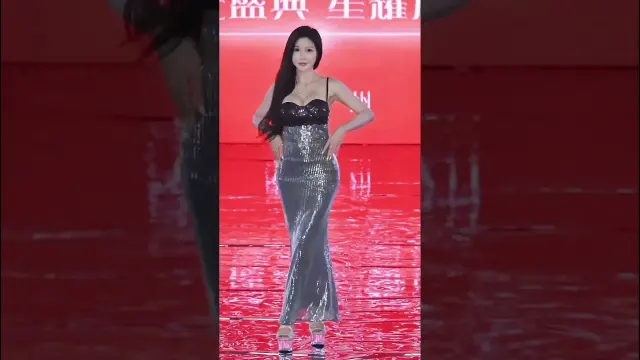
 Stunning Miss Universe Red Carpet Glamour and Evening Gowns
#Couture Fashion
1 ideas
Stunning Miss Universe Red Carpet Glamour and Evening Gowns
Get new #Couture Fashion ideas by email
Every Thursday: the week's best ideas, with the newest from #Couture Fashion.
Related tags
Couture Fashion: The Art of Made-to-Measure Clothes
Couture is the opposite of fast. Where most clothing is made in multiples and sized to an average body, couture begins with one person, one set of measurements and a garment that will exist only once. That is the whole idea, and everything else about it follows from there.
What the word actually means
"Couture" is simply French for sewing or dressmaking, and "haute couture" means high sewing. In France the phrase is protected by law: a house must meet particular conditions to use it, which is why you will see the label attached carefully and rarely. Much of what is marketed as couture is better described as made-to-measure, couture-inspired or simply handmade. None of that is dishonest, but it helps to know the difference between a protected craft title and a flattering adjective.
Where it comes from
Read more
Couture grew out of nineteenth-century Parisian dressmaking, at the moment when clothes began to be shown on living models and made to a client's own body rather than to an approximate size. From that shift came the whole structure of the craft: a designer who proposes, a client who chooses, and workshops that execute the proposal by hand. The model has changed shape over the years, but the relationship at its centre has not.
How a couture garment is made
The process is slow by design, and that is the point.
- A sketch becomes a toile: a mock-up in cheap cotton, cut and pinned to the body so the shape can be corrected before any precious fabric is touched.
- Fittings follow, often several, each one adjusting balance, ease and proportion.
- Only then is the final cloth cut, usually in workrooms divided between flou, the soft dressmaking of drapes and bias, and tailleur, the structured tailoring of jackets and coats.
- Finishing is where the hours disappear: hand-rolled hems, bound seams, covered closures, embroidery, beading and lace applied stitch by stitch.
The main families of style
Couture is not one look. There is architectural minimalism, where the interest lies in a single clean line. There is romantic fluidity: bias-cut silk, cascading drape, movement above all. There is embellished eveningwear, where surface decoration carries the garment. There is severe, beautiful tailoring, and there is ceremonial and bridal work, which is often where the craft is pushed hardest.
What beginners should know
The vocabulary is worth learning, because it lets you see what you are looking at: toile, atelier, muslin, fitting, embellishment, passementerie. Beyond words, train your eye on construction rather than logos. Turn a garment inside out. Look at whether the seams are finished, whether the pattern matches across a join, whether a buttonhole is worked by hand. Couture is legible in those small places.
Practical tips
Study museum costume collections and pattern-cutting books, which teach proportion better than photographs. If you sew, make a toile every time, in fabric you do not mind ruining. If you buy, ask how a piece was made and how it should be cared for, and store special garments flat or on padded hangers away from light and plastic. Made-to-measure is often the honest middle path: a real fit, without pretending to be something it is not.
#Couture Fashion: frequently asked questions
How do I start learning about couture fashion if I have no background in it?
Begin with the vocabulary, because it lets you see what you are actually looking at: toile, atelier, muslin, flou, tailleur, embellishment. Then train your eye on construction rather than on labels, turning garments inside out to study how seams are finished, how patterns line up across a join, and whether a buttonhole is worked by hand. Museum costume collections and pattern-cutting books teach proportion better than photographs do.
What actually goes into making a couture garment?
A sketch first becomes a toile, a cheap cotton mock-up cut and pinned to the body so the shape can be corrected before precious cloth is touched. Several fittings follow, each adjusting balance, ease and proportion, and only then is the final fabric cut and worked by hand. The hours vanish in the finishing: hand-rolled hems, bound seams, covered closures, embroidery and beadwork applied stitch by stitch.
How can I tell real couture from something that only uses the word?
In France the term haute couture is protected by law, so it appears on labels carefully and rarely, while much of what is marketed as couture is better described as made-to-measure, couture-inspired or simply handmade. The difference shows in the making, so ask how a piece was constructed and look closely at the inside of the garment. None of this makes the other work dishonest, but knowing the distinction helps you judge what you are paying for.
Which style of couture should I choose for a big occasion?
Couture is not one look, so start from the mood you want rather than from a trend: architectural minimalism if the interest should sit in a single clean line, romantic fluidity if you want bias-cut silk and movement, embellished eveningwear if surface decoration should carry the garment. Severe tailoring suits formal daytime events, while ceremonial and bridal work is where the craft is pushed hardest. Try the shape on your own body before deciding, since couture is built around one person rather than an average size.
How should I care for a special couture or heavily embellished garment?
Ask how the piece was made and how it should be cared for before you take it home, since beading, lace and delicate seams rarely tolerate ordinary cleaning. Store it flat or on a padded hanger, away from direct light and out of plastic, which traps moisture and can crush fragile surfaces. Handle it as little as possible and let a specialist deal with stains rather than treating them yourself.
What mistakes do beginners make when approaching couture?
The most common one is judging by logos and photographs instead of construction, which hides everything that makes the craft what it is. Another is skipping the toile and cutting straight into good fabric, so a shape that was never tested goes wrong at the most expensive moment. Finally, many people overlook made-to-measure as the honest middle path, which offers a real fit without pretending to be something it is not.
Videos come from YouTube and posts from Instagram; titles and summaries are our own. All rights belong to their creators.