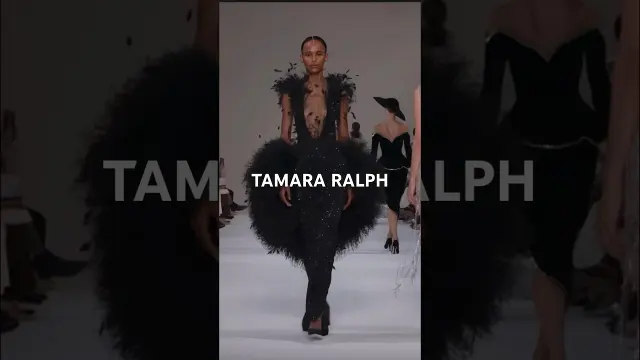
 Tamara Ralph Designer and Runway Showcase
#Couture
7 ideas
Tamara Ralph Designer and Runway Showcase
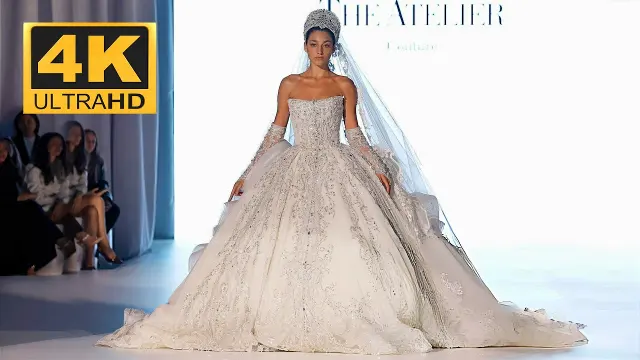 The Atelier by Professor Jimmy Choo Bridal Collection
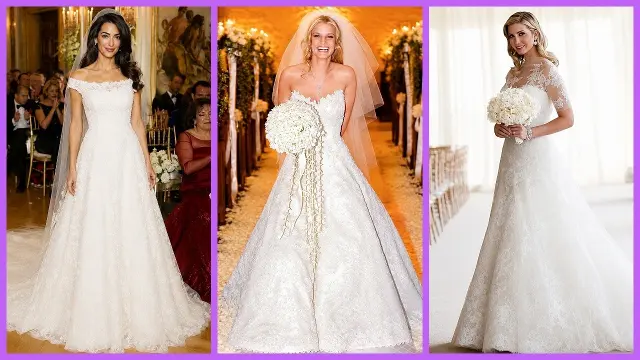 Top Twenty Most Beautiful Celebrity Wedding Dresses
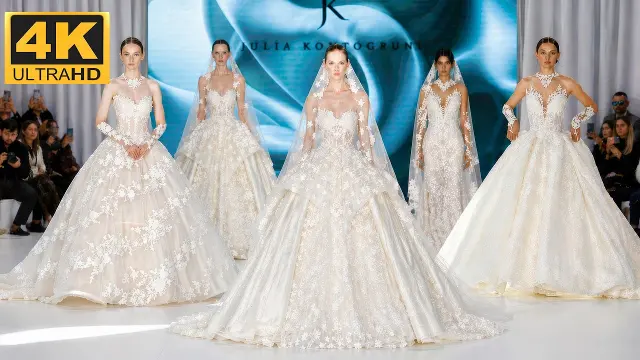 Julia Kontogruni Spring and Summer Bridal Collection
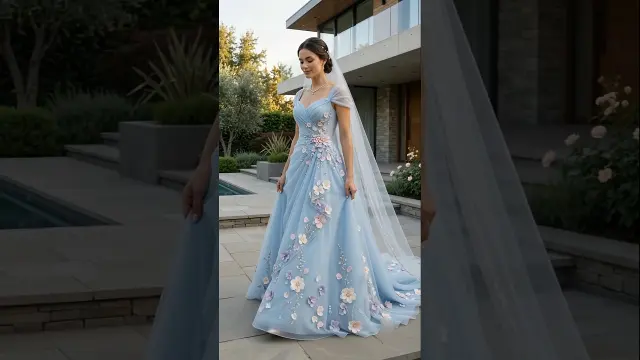 Pastel Blue Wedding Dresses with Fairytale Elegance
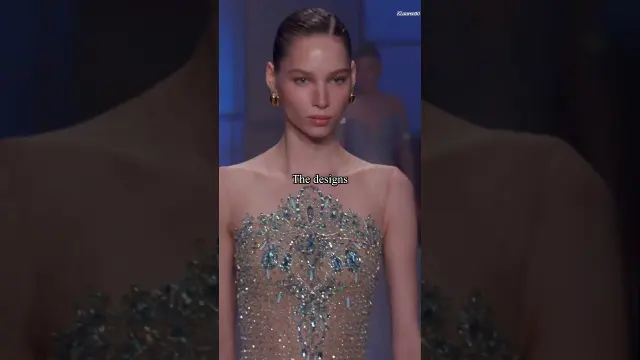 Georges Hobeika Fall Haute Couture Runway Highlights
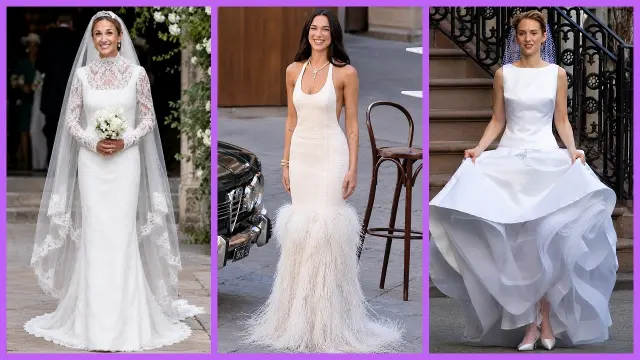 Top Ten Most Beautiful Celebrity Wedding Dresses
Get new #Couture ideas by email
Every Thursday: the week's best ideas, with the newest from #Couture.
Related tags
Couture: The Art of Made-to-Measure Fashion
Couture is the highest form of dressmaking, where clothing is created with exceptional attention to fit, construction, and finish. The word comes from French and is closely linked to the tradition of made-to-measure fashion. In everyday use, it often refers to refined, luxurious garments shaped by hand, careful fitting, and intricate decoration.
What couture means
At its core, couture is about creating a garment for a particular body and a particular vision. Unlike ready-to-wear clothing, couture is built through multiple fittings and adjustments so that the final piece sits beautifully on the wearer. The process often involves hand stitching, detailed pattern work, fine fabrics, and decorative techniques that can take much longer than ordinary garment making.
Couture is used for special occasions, formalwear, bridal fashion, stage costumes, and editorial pieces. It is also valued as a showcase of craftsmanship, where design, technique, and artistry come together.
Read more
Where it comes from
Couture grew out of the tradition of custom dressmaking in Europe, especially in Paris, where skilled makers created garments for clients seeking a unique fit and presentation. Over time, couture became associated with fashion houses and ateliers that preserve highly specialized sewing and fitting methods. Today, the term still carries that sense of rarity, precision, and personal service.
Main styles and kinds
Couture can look very different depending on the designer and the occasion, but some broad types are common:
- Bridal couture: gowns made for weddings, often with dramatic silhouettes, lace, embroidery, or hand-applied embellishment.
- Evening couture: formal dresses and separates designed for elegant events, sometimes with sculptural shapes or rich fabric drape.
- Runway couture: imaginative, sometimes experimental garments that highlight craftsmanship and artistic expression.
- Bespoke tailoring: sharply fitted jackets, trousers, or suits made to the wearer’s measurements and preferences.
Common techniques
Couture is known for methods that support precision and detail. These may include hand-sewn seams, boning or internal structure for shape, draping fabric directly on a dress form, and embellishment such as beading, appliqué, embroidery, or pleating. Finish matters as much as decoration: hems, linings, closures, and inside construction are often as carefully made as the visible surface.
What beginners should know
If you are new to couture, start by appreciating fit and fabric. A simple silhouette in a beautiful material can feel more refined than an overworked design. Learn to notice how a garment moves, how it is lined, and how it closes. These details often reveal the quality of the work.
If you are choosing couture or a couture-inspired piece, think about the occasion, your comfort, and how much movement you need. A garment should not only look beautiful but also feel secure and wearable. Fittings are essential, because small changes in length, shape, or placement can transform the result.
Practical tips
- Choose fabrics that suit the design and the season.
- Allow time for fittings and alterations.
- Look at the inside of a garment as well as the outside.
- Favor craftsmanship and proportion over excess.
- If you are wearing couture, keep accessories simple so the garment can shine.
Couture is ultimately about artistry made tangible. It invites you to slow down, notice detail, and value the skill behind a garment that has been shaped with care.
Videos come from YouTube and posts from Instagram; titles and summaries are our own. All rights belong to their creators.