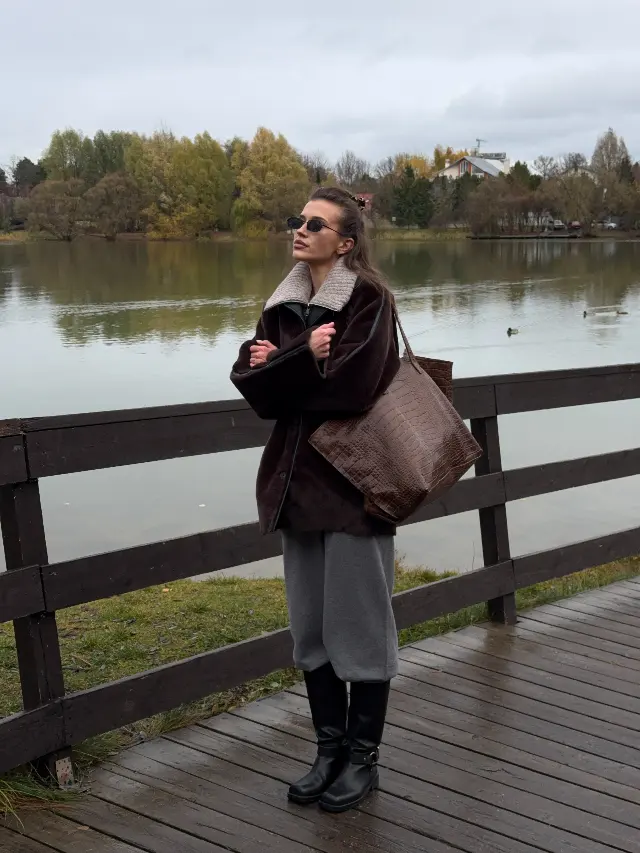
 Cozy Autumn Weekend Outfit With Jacquemus Scarf and Ankle Boots
#Cozy Style
1 ideas
Cozy Autumn Weekend Outfit With Jacquemus Scarf and Ankle Boots
Get new #Cozy Style ideas by email
Every Thursday: the week's best ideas, with the newest from #Cozy Style.
Related tags
Cozy Style: Dressing for Comfort and Warmth
Cozy style is the practice of dressing for warmth and comfort first, then shaping the result into something that still looks intentional. It is not the same as staying in pyjamas, and it is not the same as bundling up until you can barely move. The idea is softer than that: clothes that feel good against the skin, layers you can adjust through the day, textures that invite you to sit down and stay a while.
Where it comes from
Most of the ingredients are borrowed from practical cold-climate clothing — heavy knits, wool coats, thick socks, quilted jackets — mixed with the softer end of homewear: brushed cotton, fleece, loose trousers, oversized shirts. The word "hygge", used in Denmark to describe a feeling of warm contentment, has done a lot to shape how people talk about this kind of dressing, but the pleasure of a good jumper on a cold morning is older than any label.
The materials that do the work
Read more
Fabric matters more here than silhouette, because comfort is mostly a question of what touches your skin.
- Wool in its many forms, from fine merino to chunkier knits, holds warmth even when slightly damp.
- Cashmere and alpaca are lighter and softer, good for thin layers worn close to the body.
- Cotton, especially brushed or flannel versions, is breathable and easy to wash.
- Corduroy and moleskin give structure while still feeling soft.
- Fleece and sherpa are the casual end of the spectrum: light, warm, and best kept for relaxed settings.
Natural fibres generally breathe better than synthetic ones, which matters as soon as you move between a cold street and a heated room.
Building an outfit that works
Think in three layers: something thin and soft against the skin, a warmer middle layer such as a knit or a flannel shirt, and an outer layer that blocks wind. Then keep the proportions calm. A single oversized piece — a big cardigan, a long coat — reads as relaxed; several at once reads as shapeless.
Balance is the other useful rule. Pair something very soft with something with a bit of structure: a chunky knit over straight-leg trousers, a fleece with crisp denim, a heavy scarf with a clean wool coat. Colours tend to sit in a warm, muted range — cream, oatmeal, camel, rust, deep green, charcoal — because they echo the materials themselves.
A few things beginners get wrong
Bulk is not the same as warmth. Too many thick layers trap heat unevenly and leave you overheating indoors. Knitwear also needs care: wash it rarely, by hand or on a gentle cycle, dry it flat, and fold rather than hang, so it keeps its shape. And it pays to buy fewer, better pieces — a good wool jumper worn constantly will serve you longer than five thin ones.
Beyond the clothes
Cozy style rarely stops at the outfit. Thick socks, soft slippers, a blanket within reach, a warm drink in your hands — these belong to the same idea, which is simply that comfort is worth designing for.
#Cozy Style: frequently asked questions
What exactly does cozy style mean in practice?
It means choosing clothes for warmth and softness first, then arranging them so the outfit still looks deliberate rather than accidental. It sits somewhere between cold-weather practicality and relaxed homewear, so you can move through a day comfortably without feeling like you never got dressed. The point is comfort that has been thought about, not comfort that has been ignored.
How do I start building cozy outfits without buying a whole new wardrobe?
Begin with what touches your skin: a soft base layer you enjoy wearing, then add a warm middle piece such as a knit or flannel shirt and finish with something that blocks wind. Keep the shapes calm — one roomy piece at a time looks relaxed, while several together look shapeless. Try pairing something very soft with something that has a little structure, like a chunky jumper over straight-leg trousers.
Which materials are best for this kind of dressing?
Natural fibres generally breathe better than synthetic ones, which matters when you move between a cold street and a heated room. Wool holds warmth well, cashmere and alpaca work for thin layers close to the body, and brushed cotton or flannel is breathable and easy to wash. Corduroy and moleskin add softness with a bit of shape, while fleece suits the most casual settings.
How should I look after knitwear so it keeps its shape?
Wash wool and other knits rarely, by hand or on a gentle cycle, and dry them flat rather than hanging them up. Fold knits in a drawer instead of putting them on a hanger, which stretches the shoulders over time. Airing a jumper between wears often freshens it enough that washing can wait.
What mistakes do people make when dressing cozily?
The most common one is assuming bulk equals warmth — piling on thick layers traps heat unevenly and leaves you overheating once you are indoors. Another is buying many thin, cheap pieces instead of fewer good ones that will last through constant wear. Layering that you can adjust through the day handles changing temperatures far better than a single heavy outfit.
Can cozy style work outside the house, or is it only for staying in?
It works well outdoors as long as you add a layer that blocks wind and keep the proportions balanced. The same soft textures and muted colours read as intentional on a weekend errand or a cold walk, especially when paired with structured pieces like clean denim or a wool coat. It tends to look out of place only in formal settings, where softness reads as undone rather than relaxed.
Videos come from YouTube and posts from Instagram; titles and summaries are our own. All rights belong to their creators.