 Canva's Head of AI Research on Turning AI Ideas into Real Work
#Creative Workflow
6 ideas
Canva's Head of AI Research on Turning AI Ideas into Real Work
 Choreographer Twyla Tharp on Discipline and the Creative Process
 Six AI Tools That Speed Up a Graphic Design Workflow
 Mac to Linux: Testing Linux for a Full Creative Workflow
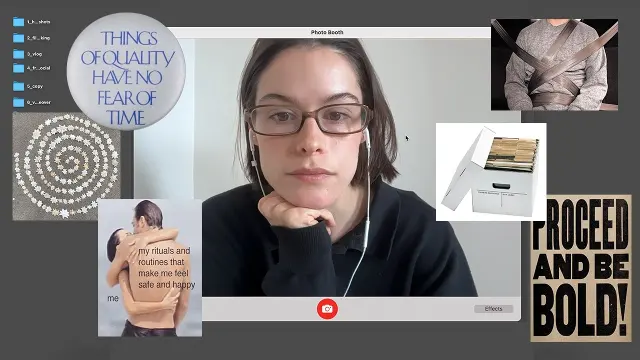 Creative Intentions and Systems: A Designer's Working Process
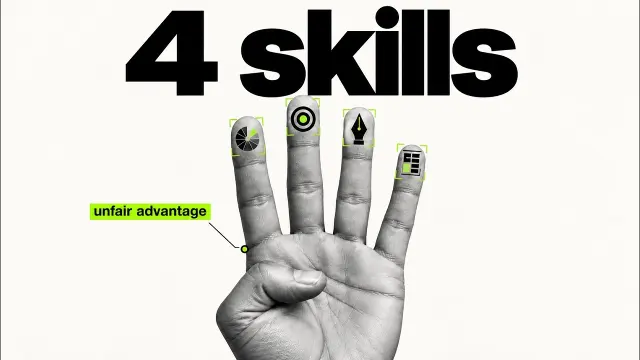 Four Essential Graphic Design Skills for an Advantage
Get new #Creative Workflow ideas by email
Every Thursday: the week's best ideas, with the newest from #Creative Workflow.
Related tags
Creative Workflow: How Ideas Become Finished Work
A creative workflow is the series of steps you follow to turn an idea into a finished piece of work. It can be used for writing, design, photography, crafts, illustration, styling, or any other creative project. The purpose of a workflow is not to make creativity rigid. It is to give you a structure that helps ideas move forward with less confusion, less wasted effort, and fewer abandoned projects.
At its simplest, a creative workflow usually includes a few stages: collecting inspiration, developing ideas, planning, creating, reviewing, and refining. Some people move through these stages in a neat order, while others go back and forth between them. There is no single correct way to work. What matters is finding a process that supports the way you think and make.
A good workflow often begins with capturing ideas before they disappear. This can be as simple as keeping notes, sketching rough shapes, saving references, or writing down phrases and color ideas. Once you have raw material, you can sort it into themes or decide which idea feels strongest. This early stage is especially useful because many creative projects improve when you give yourself time to explore before committing.
Common stages in a creative workflow
Read more
- Inspiration and research: gathering visual or written references, observing patterns, and noticing what you respond to.
- Planning: deciding the purpose, format, mood, or message of the project.
- Drafting or making: creating the first version without expecting it to be perfect.
- Reviewing: stepping back to check balance, clarity, tone, or structure.
- Editing or refining: improving details, removing what is unnecessary, and strengthening the whole piece.
- Finishing and sharing: completing the work and deciding how to present or store it.
Many beginners think they need to feel fully inspired before they begin, but a workflow can help you start even when ideas feel scattered. Small, repeatable habits are often more useful than waiting for the perfect mood. For example, you might begin each project by gathering references, then spend a short time sketching or outlining before moving into the main work.
Different creative fields use different workflows. A graphic designer may move from brief to concept to layout to final adjustments. A writer may go from notes to outline to first draft to revision. A crafter may test materials, build a sample, and then make the final piece. Even when the steps differ, the goal is similar: to reduce friction between the idea and the finished result.
A few practical tips can make any workflow easier:
- Keep tools and materials easy to reach.
- Break large projects into smaller tasks.
- Leave space for experimentation.
- Save versions so you can go back if needed.
- Review your process after a project and adjust what did not work.
A creative workflow should feel supportive, not restrictive. When it fits well, it helps you stay focused, make better decisions, and finish more of what you start.
#Creative Workflow: frequently asked questions
How do I start building a creative workflow if I’m not sure where to begin?
Start by collecting ideas before you try to perfect them. Save references, jot down phrases, sketch rough versions, or note colors and shapes that catch your eye, then sort them into themes and choose the strongest direction.
What does a creative workflow usually include?
Most workflows move through a few common stages: gathering inspiration, planning the project, making a first draft, reviewing the result, refining details, and then finishing or sharing it. The order can be flexible, and many creatives move back and forth between stages as the work develops.
Which kind of creative workflow should I choose for my project?
Choose the workflow that matches how you work and the type of project you’re making. A writer may prefer notes and outlines, a designer may move from concept to layout, and a crafter may test materials before building the final piece.
How can I stay organized and avoid getting stuck during creative work?
Keep tools and materials close, break large projects into smaller tasks, and leave room for experimentation. Saving versions as you go also helps you recover easily if you want to revisit an earlier idea.
What are common mistakes people make with creative workflows?
A common mistake is waiting to feel completely inspired before starting, which can slow progress and leave projects unfinished. Another is making the process too rigid; a good workflow should guide your work without blocking experimentation or revision.
How do I improve a creative workflow for future projects?
After finishing a project, review what helped and what caused friction. Then adjust the process by keeping the useful steps, removing the unnecessary ones, and making the workflow simpler and easier to repeat.
Videos come from YouTube and posts from Instagram; titles and summaries are our own. All rights belong to their creators.