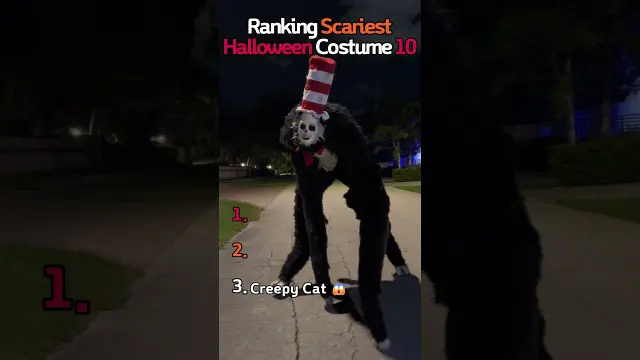
 Ranking The Scariest and Creepiest Halloween Costumes
#Creepy
1 ideas
Ranking The Scariest and Creepiest Halloween Costumes
Get new #Creepy ideas by email
Every Thursday: the week's best ideas, with the newest from #Creepy.
Related tags
What Makes Something Creepy: An Evergreen Guide
Creepy is one of those words everyone recognises and nobody can quite define. It describes the flicker of unease you feel before you can explain why: a room that is almost right, a smile that lasts a beat too long, a house that is quiet in the wrong way. Unlike outright horror, which grabs you, creepy works by suggestion. It leaves a gap, and your imagination fills it in.
Where the feeling comes from
The word points at something old. Folk tales, ghost stories, cautionary tales told to children and gothic novels all built their effects on the same principle: show a little, imply the rest. The idea of the uncanny captures it well, the sense that something familiar has become strange. A doll, a corridor, a family photograph, a nursery rhyme. Nothing is frightening in itself. What unsettles you is the mismatch between what a thing is and what it seems to be doing.
Because of this, creepy is less a genre than a mood that crosses into many others. It can be gothic and gloomy, folkloric and rural, playful and campy, or so subtle that nothing visibly happens at all.
Read more
Styles you will meet
- Gothic: old houses, candlelight, decay, formal manners hiding worse things.
- Folk horror: fields, rituals, rural isolation, the sense that a place has rules you were not told.
- Quiet dread: almost nothing happens, and that is the point.
- Campy creepy: skeletons, bats, fake cobwebs, deliberately silly scares. Fun, not frightening.
- Everyday uncanny: ordinary objects and places made slightly wrong.
What makes it work
Restraint does most of the labour. A shape half-seen in a doorway frightens more than a monster in full light, because you complete it yourself. Small wrongnesses matter too: an object in the wrong place, a face that is symmetrical when it should not be, a space that is too empty or too orderly. Light and sound carry a lot of weight. Cold colour, low light, shadows that fall where they should not, a hum you cannot locate.
For anyone making creepy things, whether costumes, decorations, photographs, crafts or stories, the practical advice is to build atmosphere first and shock second. Decide what feeling you want, then remove detail rather than adding it. Test the result on yourself in the conditions it will be seen in: dim light, at night, from a distance.
Using it kindly
Creepy relies on a willing audience. When you share or display your work, give people a fair idea of what is coming, keep it away from young children who may not enjoy it, and respect anyone who says they have had enough. If a particular image or story stays with you longer than you would like, that is a normal reaction to being genuinely unsettled. Step away, put on something bright and ordinary, and it will pass.
#Creepy: frequently asked questions
What makes something creepy instead of just scary?
Creepy works by suggestion rather than force: it shows you a little and lets your imagination complete the rest, while horror simply confronts you with the threat. A room that is almost right or a smile held a beat too long unsettles you because nothing about it is openly wrong. If you want the creepy effect, leave a gap in the picture instead of filling it with a monster.
How do I start if I want to make something creepy myself?
Begin with the feeling you want people to have, then work backwards to the simplest way to suggest it. Decide whether you are after gloomy gothic, rural folk unease, quiet dread, or something deliberately silly, because these call for very different choices in colour, light and props. Atmosphere comes first and shock comes second.
What do I actually need to pull off a creepy look?
Less than you would think: light is the main tool, so cold tones, low levels and shadows falling where they should not will do more than any prop. Add one or two small wrongnesses, like an object out of place or a space that is too empty, and let the rest stay ordinary. Test it in the conditions it will really be seen in, from a distance and in dim light.
Which style of creepy should I choose for a costume or a display?
Pick the one that matches the occasion and the audience: campy creepy, with skeletons and fake cobwebs, suits parties and children, while gothic, folk horror or quiet dread work better for grown-up gatherings. The everyday uncanny is the most versatile, since ordinary things made slightly off fit almost anywhere. Whichever you choose, keep it consistent rather than mixing moods.
How do I keep a creepy setup from genuinely upsetting people?
Give people a fair idea of what is coming before they walk into it, and keep the strongest material away from young children. If someone says they have had enough, let them step out without making a thing of it. A willing audience is what makes creepy fun rather than unpleasant.
What is the most common mistake people make when trying to be creepy?
Overdoing it, usually by adding more detail, more props and more noise until the effect becomes loud and harmless. Restraint frightens far more effectively, because the viewer supplies the part that scares them. If your creation looks silly rather than unsettling, remove something rather than adding another element.
Videos come from YouTube and posts from Instagram; titles and summaries are our own. All rights belong to their creators.