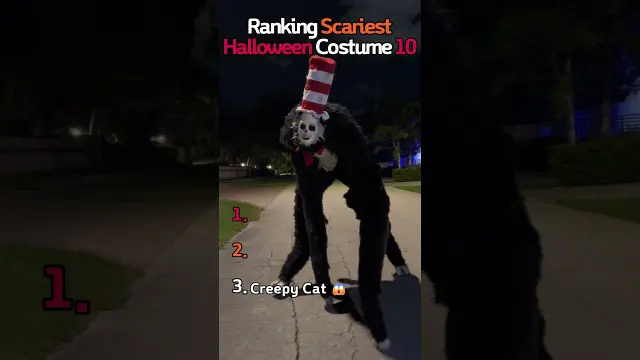
 Ranking The Scariest and Creepiest Halloween Costumes
#Scary
1 ideas
Ranking The Scariest and Creepiest Halloween Costumes
Get new #Scary ideas by email
Every Thursday: the week's best ideas, with the newest from #Scary.
Related tags
Scary: The Art of Being Frightened for Fun
Fear is one of the oldest feelings we have, and one of the strangest things about being human is that we sometimes go looking for it on purpose. The hashtag #Scary gathers everything that gives us that pleasant shiver: costumes, decorations, films, stories, masks, dark corridors, creaking floors. It is a topic about the thrill of danger that isn't really dangerous, and it has a long, rich history behind it.
Where the taste for fright comes from
Telling frightening stories is as old as storytelling itself. Every culture has its tales of restless spirits, creatures in the woods, and warnings about what happens to those who wander too far from the path. Folk tales were practical as well as entertaining: they taught caution, marked the boundaries of the safe world, and gave shape to fears that were hard to name. Later, gothic literature and theatre turned those old anxieties into a form of entertainment, and the tradition has continued through cinema, comics, games and the elaborate haunted attractions people build today.
Why we enjoy it
Read more
Being scared in a safe setting is a kind of rehearsal. Your heart beats faster, your attention narrows, and then, when the moment passes, the body settles and relief arrives. That swing between tension and release is the whole pleasure of a good scare. It also explains why the shared version is often better: screaming together in a cinema or walking through a haunted house with friends turns fright into laughter and gives people a story to tell afterwards.
The main kinds of scary
- Atmospheric horror, which builds dread slowly through silence, shadows and things half-glimpsed.
- Jump scares, brief and loud, that rely on surprise rather than suggestion.
- Creepy and uncanny imagery, where something is slightly wrong rather than openly monstrous.
- Folk and supernatural horror, drawing on ghosts, spirits and old local legends.
- Body horror and gore, which some people love and others should simply avoid.
- Playful scares: pranks, spooky decorations, costumes, ghost stories told by torchlight.
If you are new to it
Start small and choose your own level. Atmosphere is a gentler entry point than gore, and reading a ghost story is easier to control than sitting through a film in the dark. Watch or read with company, keep a lamp on if you like, and remember you can always stop. Knowing in advance what kind of fright a film or attraction contains is not spoiling it; it is how you make the experience enjoyable rather than overwhelming. If you are decorating or hosting, keep very young children and nervous guests in mind, and always make clear where the exit is.
Scaring other people well
The best scares are surprises, not cruelty. Avoid targeting people who have said they dislike it, never use real danger, and keep physical safety in mind with costumes, masks, tripping hazards, candles and dark paths. A scare that ends in laughter for everyone, including the person scared, is the one worth repeating.
#Scary: frequently asked questions
How do I get started with scary things if I frighten easily?
Begin with the gentlest end of the spectrum: atmosphere, old ghost stories read on the page, or a creepy film watched in daylight with company. Reading is easier to control than watching, since you set the pace and can stop whenever you like. Knowing beforehand what kind of fright to expect helps far more than going in blind.
What is the difference between atmospheric horror and jump scares?
Atmospheric horror works by suggestion, building dread through silence, shadow and things only half seen. A jump scare skips the buildup and hits you with a sudden noise or movement, trading dread for pure surprise. Neither is better than the other, but atmosphere tends to linger while a jump scare ends the moment it lands.
What do I need to set up something scary at home?
You need far less than people think: darkness, a few things out of place, and something that makes a noise when nobody expects it. Lighting does most of the work, so plan where shadows fall rather than buying elaborate props. Whatever you build, keep walkways clear and make sure the way out is obvious.
How do I choose the right kind of scary for me or my guests?
Think about what you actually enjoy, since the pleasure comes from tension followed by relief, not from disgust. Creepy and uncanny imagery suits people who like unease, while folk and supernatural tales appeal to those who prefer a story. Gore and body horror are a taste some people love and others should simply skip.
How do I scare people without genuinely upsetting them?
A good scare is a surprise, never a cruelty, so never target someone who has told you they dislike it. Keep physical safety in mind with masks, costumes, candles, dark stairs and things people could trip over. The scare worth repeating is the one that ends in laughter for everyone, including the person who was frightened.
What mistakes should I avoid when hosting something spooky?
The usual mistakes are going too intense too fast, forgetting that young children and nervous guests are present, and making the exit hard to find. Real danger has no place in it, so keep flames, trip hazards and restricted vision under control. Warn people what they are walking into, and let the atmosphere do the work instead of overwhelming them.
Videos come from YouTube and posts from Instagram; titles and summaries are our own. All rights belong to their creators.