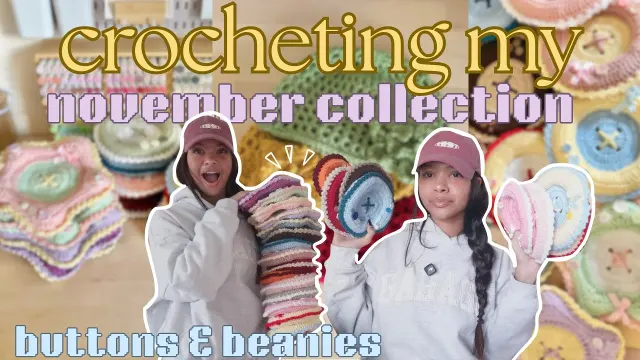
 Reviving a Failed Crochet Collection: Small Business Vlog
#Crochet Collection
1 ideas
Reviving a Failed Crochet Collection: Small Business Vlog
Get new #Crochet Collection ideas by email
Every Thursday: the week's best ideas, with the newest from #Crochet Collection.
Related tags
Crochet Collections: Curating, Caring and Creating
A crochet collection can mean two things, and the two are closely related. For someone who makes things, it is the body of work gathered over time: the blankets, garments, doilies, amigurumi and small experiments that accumulate almost without noticing. For someone who loves handmade objects, it is an assortment of pieces bought, inherited or received, each carrying the imprint of a pair of hands. In both cases a collection is less a shopping list than a record of attention, and it grows best when it is guided rather than simply accumulated.
What a collection is made of
Crochet is a textile technique worked with a single hooked tool, looping one continuous strand of yarn into itself. Because it can be shaped in the round, worked flat, joined into motifs or stiffened into three dimensions, the range of objects it produces is unusually wide. A collection often reflects that range: wearable pieces such as shawls and cardigans, domestic textiles like blankets and potholders, decorative lace, toys, and small accessories. Many collections also hold the materials themselves — yarn, hooks, patterns, swatches and notes — which are as much a part of the story as the finished objects.
How collections take shape
Read more
Some collections form around a technique, such as filet crochet or tapestry crochet; others around a palette, a fibre, a purpose or a period in the maker's life. Makers often speak of building a cohesive body of work, meaning a group of pieces that share a visual language even when they are very different in function. That coherence rarely comes from planning everything in advance. More often it emerges from returning to the same stitches, colours or motifs and letting them develop.
Starting out
Beginners do not need a collection to begin with, only curiosity. Learn the basic stitches, practise tension on a swatch, and choose yarn that is smooth and light in colour so the stitches stay legible. Keep the first finished pieces, however uneven. They are the earliest record of a skill and later become the most interesting things in the box.
Storing and caring for pieces
Finished crochet should be clean before it is stored, since soil and oils attract pests over time. Fold rather than hang heavy items, keep them out of direct sunlight, and give natural fibres room to breathe in cotton bags rather than sealed plastic. Moths dislike cedar and lavender, and a periodic airing does more good than any treatment. Store yarn away from damp and light, and keep a note of the label with each skein, since fibre content and washing instructions are easy to forget.
A word on curation
A collection improves when it is edited. Every so often, lay pieces out together and ask which ones still earn their place. Gifting, donating or repurposing the rest is not loss; it makes room for what comes next, and it lets a well-made object go where it will be used.
#Crochet Collection: frequently asked questions
How do I start a crochet collection if I've never crocheted before?
Start with curiosity rather than a plan: learn the basic stitches, practise your tension on a simple swatch, and use a smooth, light-coloured yarn so the stitches stay easy to see. Keep your first finished pieces even if they look uneven, because they become the earliest record of your skill and often the most interesting things in the box later on.
What do I actually need to begin?
A single hooked tool, a ball of yarn and a pattern you can follow are enough to make your first project. Beyond that, a few small extras help: a bag or box for storing yarn away from damp and light, and a habit of keeping the label with each skein so you remember what the fibre is and how to wash it.
Should my collection follow one style or can it be mixed?
Either works, but coherence tends to arrive on its own rather than from deciding everything up front. Many collections form around a technique, a palette, a fibre or a purpose, and makers build a shared visual language simply by returning to the same stitches, colours or motifs and letting them develop.
How should I store and care for finished crochet pieces?
Clean each piece before it goes into storage, since soil and oils left on the fibre attract pests over time. Fold heavy items instead of hanging them, keep them away from direct sunlight, and let natural fibres breathe in cotton bags rather than sealed plastic; a periodic airing does more good than any treatment.
What are the common mistakes people make with a crochet collection?
The usual one is accumulating without curating, so the collection grows but never quite becomes a body of work. The other is treating yarn and finished pieces carelessly, storing them in damp or bright places or losing track of fibre content. Laying pieces out occasionally and asking which ones still earn their place keeps the whole thing honest.
What can I do with pieces I no longer want to keep?
Editing is part of collecting, not a loss. Pieces that no longer fit can be gifted, donated or repurposed, which makes room for what comes next and lets a well-made object go somewhere it will actually be used.
Videos come from YouTube and posts from Instagram; titles and summaries are our own. All rights belong to their creators.