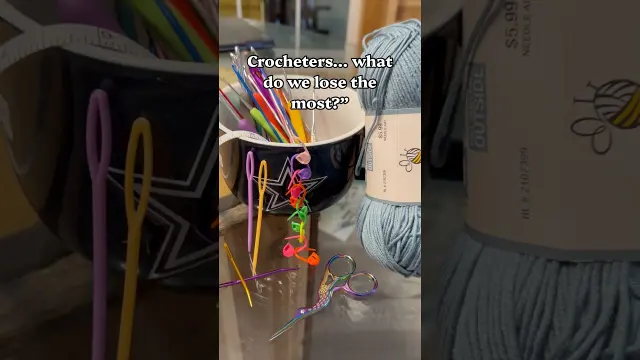
 The Crochet Tools Makers Misplace Most Often
#Crochet Tools
2 ideas
The Crochet Tools Makers Misplace Most Often
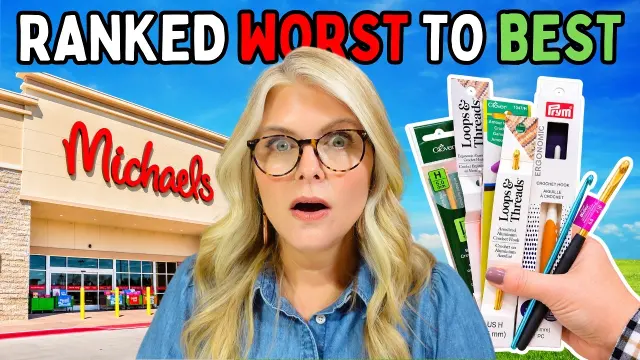 Testing and Ranking Seven Crochet Hooks from Michaels
Get new #Crochet Tools ideas by email
Every Thursday: the week's best ideas, with the newest from #Crochet Tools.
Related tags
Crochet Tools: A Guide to Hooks and Essential Notions
Crochet needs very little to get started: a hook and some yarn. Everything else is there to make the work easier, more even and more comfortable. Knowing what each tool does, and which ones are genuinely worth having, saves confusion when you are standing in front of a wall of hooks.
The hook itself
The hook is the heart of the craft. Crochet hooks are sized by the diameter of the shaft, and the size determines the fabric: a small hook with fine yarn gives a dense, delicate result, while a large hook with thick yarn gives open, relaxed stitches. Hooks are commonly sold in millimetre measurements, and some regions use letter or number systems instead, so it helps to check the actual measurement rather than the label.
Hooks come in several materials, each with its own feel:
Read more
- Aluminium: smooth, light and cool in the hand, good for fine yarn and fast work.
- Steel: very fine hooks used with thread for lace and doilies.
- Wood and bamboo: warm and slightly grippy, gentle on the hands, and often favoured for softer yarns.
- Plastic and resin: inexpensive and light, useful for larger sizes.
Inline and tapered are the two main shapes of the head. Inline hooks have a straight, flat groove; tapered hooks have a rounded throat. Neither is better, and many people find they prefer one only after trying both.
Comfort and grip
Crocheting is repetitive, so comfort matters. Handles vary from bare shafts to padded grips and shaped ergonomic handles. If your hands ache, a thicker handle is often easier to hold, and working with looser tension helps too. Take breaks, stretch your fingers and wrists, and stop if you feel pain rather than pushing through it.
Notions that make a difference
Beyond the hook, a small kit covers almost everything:
- Stitch markers: clips or small rings used to mark the first stitch of a round, a pattern change or a place to return to.
- Tapestry needles: blunt, large-eyed needles for weaving in ends and joining pieces.
- Tape measure: essential for checking gauge and finished measurements.
- Small scissors and a yarn needle or darning needle for finishing.
- Row counter: a mechanical counter or a simple note that keeps track of repeats.
- Blocking mats and pins: used to shape finished pieces, particularly lace and motifs.
What beginners should know
Start with one mid-range hook and a yarn that matches it — the yarn label usually suggests a hook size. Light, smooth yarn in a plain colour makes stitches easy to see while you learn. Buy a second hook one size up and one size down early on, because matching the pattern's gauge often means changing hook rather than changing how you work.
Hold the hook in whatever way feels steady, whether like a knife or a pencil; both are common and neither is wrong. Keep your stitches relaxed, since tight tension is harder on the hands and harder to work into.
Collect tools gradually. Most crocheters end up with a favourite hook they reach for constantly, a handful of markers and a needle — and that is enough for years of making.
#Crochet Tools: frequently asked questions
What do I actually need to start crocheting?
A hook and a ball of yarn are enough to begin — everything else is there to make the work easier. Choose a yarn whose label suggests the hook size you own, and pick a light, smooth, plain-coloured yarn so your stitches are easy to see while you learn.
How do I choose the right crochet hook?
Start with one mid-range hook matched to your yarn, then add a hook one size up and one size down, since matching a pattern's gauge usually means changing hook rather than changing how you work. Check the actual millimetre measurement on the hook rather than the letter or number, because sizing systems differ between regions.
Which hook material is best?
There is no single best material — it comes down to how the hook feels in your hand. Aluminium is smooth and light for fine, fast work, wood and bamboo are warmer and slightly grippy for softer yarns, and plastic or resin suits larger sizes. Inline and tapered heads are both fine too, and most people discover a preference only after trying both.
What small notions are worth keeping in my kit?
Stitch markers, a blunt tapestry needle for weaving in ends, a tape measure for checking gauge, and small scissors for finishing cover almost everything. A row counter and blocking mats with pins become useful as your projects get more involved.
My hands ache when I crochet — what can I do?
A thicker or ergonomic handle is often easier to hold, and loosening your tension helps a great deal since tight stitches are harder on the hands and harder to work into. Take regular breaks to stretch your fingers and wrists, and stop if you feel pain instead of pushing through it.
What mistakes do beginners make with crochet tools?
Buying a huge set before knowing what you like is common — most crocheters settle on one favourite hook, a few markers and a needle, which is enough for years of making. Another frequent slip is trusting the label over the measurement, or blaming the pattern when the real fix is simply a different hook size.
Videos come from YouTube and posts from Instagram; titles and summaries are our own. All rights belong to their creators.