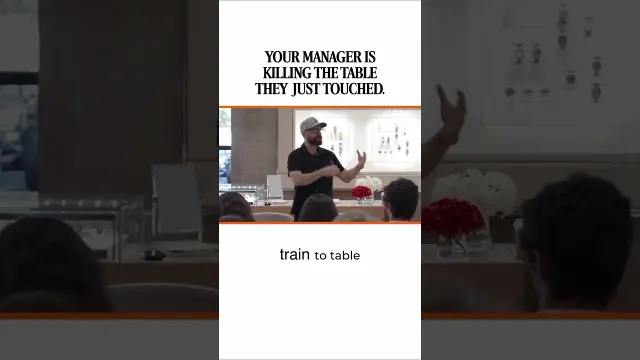
 Why Standard Table Touches Backfire in Restaurant Management
#Customer Service
1 ideas
Why Standard Table Touches Backfire in Restaurant Management
Get new #Customer Service ideas by email
Every Thursday: the week's best ideas, with the newest from #Customer Service.
Related tags
Customer Service: Principles and Practice
Customer service is the support and care a business gives to the people who use its products or services. It can happen in person, by phone, by email, through chat, or in any situation where someone needs help, information, or a solution. Good customer service is not only about answering questions. It is about making people feel heard, respected, and confident that their concern is being handled properly.
What customer service is for
At its best, customer service helps people solve problems, make decisions, and use something with less confusion or stress. It can include explaining how a product works, handling complaints, taking orders, arranging repairs, or simply giving clear and polite guidance. In many settings, customer service also shapes how people feel about a business, because the experience of being helped often stays memorable.
Common forms of customer service
Read more
Customer service can take many forms depending on the setting. In shops and restaurants, it may involve face-to-face help, payment support, and handling special requests. In offices or online businesses, it may involve responding to messages, managing accounts, or resolving issues after a purchase. Some service is proactive, such as offering information before someone asks. Other service is reactive, such as solving a problem once it appears. Both are important.
Skills that matter most
The strongest customer service usually depends on a few basic skills:
- Clear communication, so the customer understands what is happening
- Active listening, so you hear the real issue before responding
- Patience, especially when someone is upset or confused
- Calmness, so you can stay helpful under pressure
- Problem-solving, so you can find a practical next step
- Respect, so the person feels taken seriously
Tone matters as much as words. A simple, polite reply often works better than a long explanation. If you do not know the answer right away, it is better to say so honestly and then find out.
What beginners should know
If you are new to customer service, start with the idea that most people want three things: attention, clarity, and follow-through. First, let them explain the problem. Then repeat the key point back to make sure you understood it. After that, explain what you can do next in plain language. If there is a delay, tell them what to expect. Being honest about limits is often better than making promises you cannot keep.
Practical habits for better service
Small habits make a big difference:
- Use the customer’s name when appropriate
- Keep instructions short and specific
- Stay friendly without sounding forced
- Focus on the solution, not the blame
- Follow up when needed
- End with a clear next step
A lasting approach
Good customer service is built on consistency. It is not about saying the perfect thing every time. It is about treating people with care, giving accurate information, and helping them move forward. When you do that well, you create trust, and trust is often the foundation of any good service experience.
Videos come from YouTube and posts from Instagram; titles and summaries are our own. All rights belong to their creators.