 Why Standard Table Touches Backfire in Restaurant Management
#Restaurant Management
12 ideas
Why Standard Table Touches Backfire in Restaurant Management
 How to Become a Restaurant Manager in Six Months Career Roadmap
 Running Daily Restaurant Operations Using Integrated Software
 Restaurant Manager Training: Step-by-Step System for Higher Profits
 A Day in the Life of a Professional Restaurant Manager
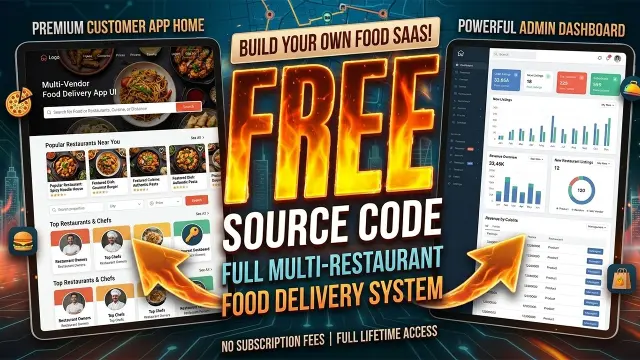 Building a Free Food Ordering and Restaurant Management System
 ServSafe Manager Food Safety Certification Practice Questions
 Cloud-Based Restaurant Management Software Overview and Features
 Top Restaurant Manager Interview Questions and Proven Answers
 Real-World Restaurant Management Training to Build Strong Leaders
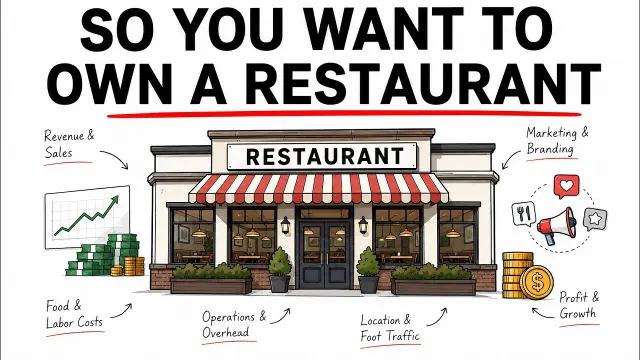 The Financial Economics of Owning and Operating a Restaurant
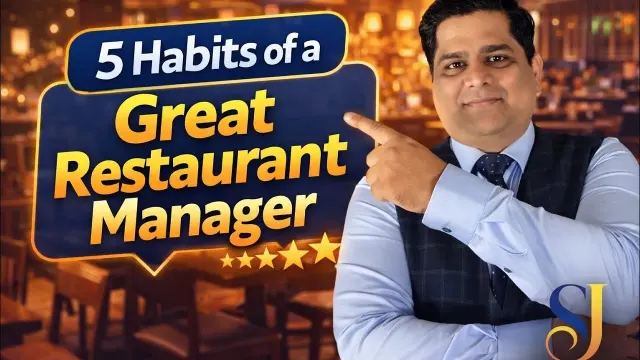 Five Daily Habits of a Great Restaurant Manager and Leader
Get new #Restaurant Management ideas by email
Every Thursday: the week's best ideas, with the newest from #Restaurant Management.
Related tags
Restaurant Management Guide
Restaurant management is the practice of running a food service business so that guests are served well, staff work smoothly, and the business stays organized. It brings together planning, people skills, customer service, cost awareness, and attention to detail. Whether you manage a small café, a family restaurant, or a busy dining room, the same basic principles apply.
What restaurant management covers
At its core, restaurant management includes overseeing daily service, coordinating the kitchen and front of house, supporting staff, managing inventory, and keeping an eye on quality. A good manager helps create a steady rhythm to the day so the team knows what to do, guests feel welcomed, and problems are handled calmly.
It also involves setting standards. These may include how food is prepared and served, how tables are turned, how reservations are handled, and how complaints are resolved. Clear standards make it easier for a restaurant to deliver a consistent experience.
Read more
Main areas of responsibility
Restaurant management usually includes several connected areas:
- Staffing and scheduling
- Training and supervision
- Guest service and complaint handling
- Ordering and inventory control
- Food safety and cleanliness
- Basic budgeting and cost control
- Coordination between kitchen and dining room
Each area affects the others. For example, a well-trained team can serve guests more efficiently, while good inventory habits help reduce waste and avoid shortages.
Styles of management
Different restaurants need different management styles. A casual café may work best with a hands-on, flexible approach, while a larger dining room may need more formal systems and clear roles. Some managers focus on coaching and teamwork, while others rely more on structure and routines. The best approach is usually a balance: firm enough to keep standards high, but flexible enough to adapt when service changes quickly.
What beginners should know
If you are new to restaurant management, start with the basics:
- Learn the menu thoroughly
- Know the team’s roles and responsibilities
- Watch service flow from arrival to payment
- Understand opening and closing routines
- Pay attention to cleanliness and food handling
- Communicate clearly and calmly
It helps to spend time in each part of the restaurant. When you understand both the front of house and the kitchen, you can make better decisions and solve problems faster.
Practical tips for day-to-day success
Good restaurant managers stay organized, visible, and calm under pressure. Walk the floor, check in with staff, and notice small issues before they grow. Keep instructions simple and direct. Make sure supplies are ready before service begins. Review shifts afterward so the team can learn from what went well and what needs improvement.
Just as important, treat hospitality as a daily habit. Guests may not notice every detail, but they do notice whether service feels attentive, steady, and respectful. Strong restaurant management helps create that feeling consistently.
Videos come from YouTube and posts from Instagram; titles and summaries are our own. All rights belong to their creators.