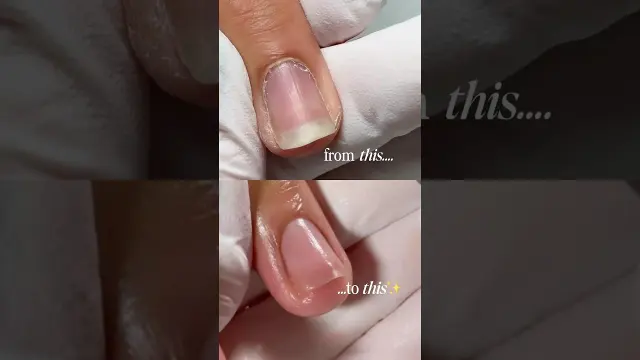
 Natural Nail Preparation Tutorial for Clean Cuticles
#Cuticle Care
1 ideas
Natural Nail Preparation Tutorial for Clean Cuticles
Get new #Cuticle Care ideas by email
Every Thursday: the week's best ideas, with the newest from #Cuticle Care.
Related tags
Cuticle Care: A Simple Guide to Healthy Nails
Cuticles are the thin layer of skin that sits at the base of each nail, sealing the gap between the nail plate and the finger. Their job is protective: they keep moisture in and bacteria and dirt out, which is why they deserve more patience than they usually get. Much of what people call the cuticle is technically the eponychium, the living fold of skin around the nail, while the true cuticle is a delicate film of dead tissue on the nail plate itself. That distinction matters, because the living tissue does not appreciate being cut.
Good cuticle care starts with understanding that the area is not a problem to be removed but a barrier to be maintained. A simple routine serves most people well: keep hands clean and dry, moisturise after washing, and give the nails a little attention once a week rather than aggressively every day.
The basic weekly routine
Soak fingertips in lukewarm water for a few minutes, or simply wash your hands and leave them slightly damp. Apply a cuticle oil or a rich hand cream and massage it into the nail base and surrounding skin, working in small circles. Push the skin back gently with a soft rubber pusher or an orange stick wrapped in cotton, never with a metal tool and never with force. Trim only obvious hangnails with a clean pair of nippers, cutting straight across rather than tugging.
Read more
Finish with more oil or cream, then rub the excess into the hands. Cuticle oil is the single most useful product in this routine; a blend of a light plant oil with a little vitamin E is enough. Consistency beats intensity, so a daily drop of oil is worth more than an hour of work once a month.
What to avoid
- Cutting or nipping living cuticle skin, which invites irritation, infection and ridges over time.
- Pushing back hard enough to feel pain, or using sharp metal tools at home.
- Harsh soaps, acetone on the skin, and constant hand washing without moisturising afterwards.
- Biting or picking at the skin, which is often a habit linked to stress rather than to the nails themselves.
- Aggressive buffing of the nail plate, which thins it and makes nails more fragile.
When something looks wrong
Redness, swelling, throbbing pain, pus, or a dark band appearing around the nail are signs to stop home treatments and see a pharmacist or doctor. The same applies to persistent changes in nail colour or shape. A manicurist can beautify nails but cannot diagnose; when in doubt, ask a health professional.
Making it a habit
Keep a small bottle of oil where you sit in the evening, or beside the sink, and use it while your hands are still damp. Wear gloves for washing up and gardening. Drink water, eat reasonably, and be patient: nails grow slowly, so improvements appear over weeks rather than days. Gentle, regular care is what keeps the cuticle doing its quiet work.
#Cuticle Care: frequently asked questions
How do I start a cuticle care routine without damaging the skin?
Begin gently: wash your hands, leave them a little damp, then massage oil or a rich hand cream into the base of each nail in small circles. Push the skin back softly with a rubber pusher or a cotton-wrapped orange stick rather than a metal tool, and only trim hangnails that are clearly dead tissue. Starting small and repeating it is far better than one intense session.
What do I actually need for cuticle care?
Very little: a cuticle oil or rich hand cream, a soft pusher, and a clean pair of nippers for the occasional hangnail. A light plant oil with a touch of vitamin E is plenty, and gloves for washing up or gardening help too. Sharp metal tools and harsh products are not required and are best left out.
Is it better to cut cuticles or push them back?
Pushing back gently is the safer choice, since much of what people call the cuticle is living skin that seals the nail and does not take kindly to being cut. Cutting or nipping it invites irritation and infection and can lead to ridges over time. Reserve nippers for obvious hangnails and cut straight across instead of tugging.
How often should I look after my cuticles?
A weekly session of soaking, oiling and gentle pushing is enough for most people, paired with a drop of oil whenever your hands feel dry. Consistency matters more than intensity, because a little daily care adds up over the weeks while an occasional long session does little. Nails grow slowly, so expect improvement over weeks rather than days.
What habits make cuticles worse?
Picking or biting at the skin, pushing back hard enough to hurt, and using harsh soaps or acetone on the skin all work against you. Constant hand washing without moisturising afterwards, and buffing the nail plate aggressively, also leave nails fragile. If picking is a stress habit, keeping hands busy and oil within reach can help break it.
When should I stop home care and get advice?
Redness, swelling, throbbing pain, pus, or a dark band around the nail are reasons to stop home treatments and speak to a pharmacist or doctor, as are persistent changes in nail colour or shape. A manicurist can make nails look lovely but cannot diagnose what is happening underneath. When in doubt, ask a health professional.
Videos come from YouTube and posts from Instagram; titles and summaries are our own. All rights belong to their creators.