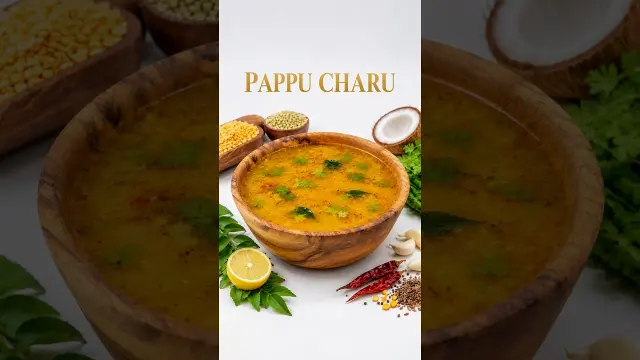
 Easy South Indian Pappu Charu With Toor Dal
#Dal Recipe
1 ideas
Easy South Indian Pappu Charu With Toor Dal
Get new #Dal Recipe ideas by email
Every Thursday: the week's best ideas, with the newest from #Dal Recipe.
Related tags
Dal Recipe: A Beginner's Guide to Cooking Lentils
Dal is the everyday heart of many kitchens across South Asia: a simple pot of split pulses simmered until soft, seasoned with spices and served with rice or flatbread. The word refers both to the dried pulses themselves and to the dish made from them. It is humble food, inexpensive and forgiving, yet it changes from household to household and from one region to another.
What dal is
Dal comes from pulses such as lentils, peas and beans that have been dried and often split. Removing the outer skin and splitting the seed helps it cook quickly and gives a smoother texture. Because these pulses keep well and cost little, dal has long been a staple source of plant protein and fibre. It is also versatile, which is one reason it appears on tables every day, not only on special occasions.
The main kinds
Read more
You will meet several familiar types:
- Toor dal, also called pigeon pea, is yellow and mild, and makes a thick, sweet-tasting dal.
- Moong dal, from mung beans, is small, pale and quick to cook, with a gentle flavour.
- Masoor dal, red lentils, turns soft and golden when cooked and needs little time.
- Chana dal, from split chickpeas, holds its shape and has a nutty bite.
- Urad dal is small and black or white; it becomes creamy when cooked and is often used in South Indian cooking.
Whole pulses and split pulses cook differently, so check what you have before you start.
How dal is cooked
The basic method is simple: rinse the dal until the water runs less cloudy, then simmer it in plenty of water until tender. A little turmeric goes in with the water. Some cooks soak split dal for a short while and whole pulses for longer, which shortens cooking time. You can use a heavy pot or a pressure cooker; stir occasionally and skim the foam that rises at the start.
When the dal is soft, mash it lightly or leave it chunky, then adjust the consistency with hot water. Salt goes in near the end, then taste and adjust.
Tempering and flavour
The final step is often a tadka, or tempering: whole spices sizzled in oil or ghee and poured over the dal. Cumin seeds, mustard seeds, garlic, dried chilli and curry leaves are common. A squeeze of lemon or a little tamarind adds brightness. From there, dal becomes pappu, sambar, khichdi or a simple everyday bowl, depending on what you add.
Tips for beginners
Start with a dal you like the look of, and cook it longer than you think. Keep the water at a gentle simmer, not a hard boil. If it turns too thick, loosen it; if it is watery, simmer it uncovered. Taste before serving and add salt, lemon or a little more tempering. Dal reheats well, so a large pot is rarely a mistake.
Serve it with rice, roti or another flatbread, and a spoon of pickle or yoghurt if you like. The first pot may be plain; the next will taste like yours.
#Dal Recipe: frequently asked questions
How do I make dal for the first time without much experience?
Pick a dal that looks appealing to you, rinse it until the water runs clearer, and simmer it gently with a little turmeric until it turns soft. Beginners usually take the pot off the heat too early, so let it cook longer than feels necessary and keep the heat at a gentle simmer rather than a hard boil. Finish by mashing it lightly, salting near the end, and pouring over a quick tempering of whole spices sizzled in oil or ghee.
What equipment and ingredients do I need to cook dal?
A heavy-bottomed pot or a pressure cooker is the main piece of equipment, and both work well for softening dried pulses. Beyond the dal itself you need water, turmeric, salt, and something for the tempering such as oil or ghee with cumin, mustard seeds, garlic, dried chilli or curry leaves. Lemon or tamarind is worth having on hand to brighten the finished pot.
Which kind of dal should I choose?
Choose by the texture and flavour you want: mild yellow dals give a thick, sweeter pot, small pale ones cook fast and stay gentle in flavour, red lentils soften quickly into a golden purée, and split chickpeas hold their shape with a nutty bite. Small black or white split pulses turn creamy and suit South Indian cooking. Check whether your pulses are whole or split before you start, because the two cook at different speeds.
How should I store dal and keep it good?
Dried pulses keep well for a long time, so the main thing is a cool, dry place in a container that seals properly, away from moisture and steam. Rinse them just before cooking rather than washing ahead of time, since damp pulses spoil faster. Cooked dal reheats well and thickens as it sits, so loosen it with hot water when you warm it up again.
What can I serve with dal, or make from it for a gathering?
Plain dal with rice, roti or another flatbread is the everyday pairing, and a spoon of pickle or yoghurt rounds it out nicely. Because the base is neutral, the same pot can become a tangy South Indian-style broth, a rice-and-lentil one-pot dish, or a richer tempered dal depending on what you add. For a crowd, make a larger pot than you think you need, since it reheats well and rarely goes to waste.
What are the common mistakes when cooking dal?
The usual problems are undercooking the pulses, boiling too hard so the pot scorches, and adding salt too early. If the dal ends up too thick, loosen it with hot water; if it is watery, simmer it uncovered for a while. Always taste before serving and correct with salt, a squeeze of lemon, or a little extra tempering.
Videos come from YouTube and posts from Instagram; titles and summaries are our own. All rights belong to their creators.