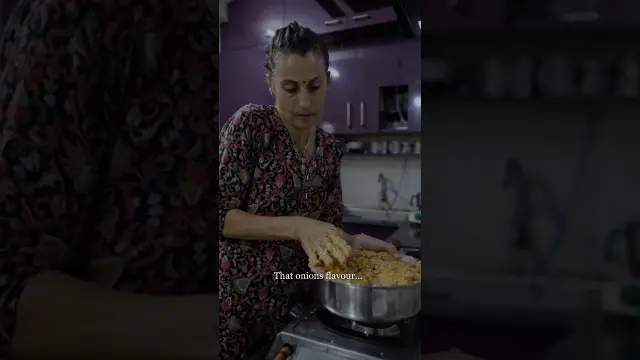
 Sundarii's Orappadai: A Traditional Thanjavur Recipe
#Dal
2 ideas
Sundarii's Orappadai: A Traditional Thanjavur Recipe
Get new #Dal ideas by email
Every Thursday: the week's best ideas, with the newest from #Dal.
Related tags
The Complete Guide to Dal
Dal refers both to dried split pulses—such as lentils, peas, and beans—and to the comforting, nourishing dishes prepared from them. As a cornerstone of South Asian cuisine for millennia, dal provides an essential source of plant-based protein, fibre, and complex carbohydrates. Across different regions and households, it serves as a daily staple, adaptable to countless flavour profiles and dietary needs.
Varieties of Dal
Understanding the different types of pulses helps in choosing the right one for your meal. Some varieties cook down into a smooth, creamy consistency, while others retain their shape and offer a firmer bite.
- Red lentils cook very quickly and melt into a thick, comforting purée, making them ideal for busy weeknights.
- Yellow pigeon peas offer a slightly nutty flavour and a firmer texture, often forming the base of classic everyday stews.
- Split mung beans are exceptionally gentle on digestion and cook rapidly into a soothing, light broth.
- Whole black lentils require longer soaking and cooking times, rewarding patience with a rich, velvety texture.
Read more
Essential Techniques and Flavours
Cooking great dal relies on simple building blocks. Pulses are typically simmered in water or broth with turmeric and salt until tender. The magic often happens at the very end of cooking through a technique known as tempering. This involves briefly frying whole spices, aromatics like garlic and ginger, and sometimes chilli powder in warm oil or ghee until fragrant, then pouring this sizzling mixture directly into the cooked dal. This final step awakens the dish, releasing aromatic oils and deepening the overall flavour profile.
Tips for Beginners
If you are new to cooking pulses, start with split red lentils because they require no soaking and cook in under thirty minutes. Always rinse your dal thoroughly in cold water until the water runs clear to remove any dust or debris. When simmering your lentils, add acidic ingredients like tomatoes or citrus juice only after the pulses have softened completely, as acid can prevent lentils from softening properly if added too early.
Serving Suggestions
Dal is traditionally served hot alongside steamed basmati rice or warm flatbreads. It pairs wonderfully with vegetable side dishes, fresh salads, and pickles, creating a balanced and satisfying meal. Leftovers often taste even better the next day as the flavours continue to meld together, making it an excellent dish for meal preparation and batch cooking.
#Dal: frequently asked questions
What is the easiest dal for a beginner to cook?
Split red lentils are the best starting point because they do not need soaking and finish cooking quite quickly. Give them a thorough rinse in cold water first, then simmer with turmeric and salt to build a solid base flavour.
How do I make dal taste better at the end of cooking?
The step called tempering is where the real depth of flavour happens. You briefly fry whole spices, aromatics such as garlic and ginger, and sometimes chilli powder in warm oil or ghee, then pour that sizzling mixture straight into the finished dal to awaken the whole dish.
Which type of dal works best for a quick weeknight meal versus a heartier stew?
Red lentils melt into a thick, comforting purée very fast, making them ideal when you are short on time. Yellow pigeon peas hold their shape better and carry a slightly nutty flavour, so they are the natural choice for classic everyday stews.
Why do my lentils not soften properly?
The most common mistake is adding acidic ingredients such as tomatoes or citrus juice before the pulses have fully cooked. Acid can prevent the lentils from breaking down, so wait until they are completely tender before introducing any acidity.
What should I serve alongside dal?
Steamed rice or warm flatbreads are the classic companions, and a plate of vegetable sides, a fresh salad, or a pickle rounds the meal out nicely. The combination keeps the plate balanced and satisfying.
Is dal a good dish to batch cook or make ahead?
Yes, dal is one of the best meals to prepare ahead because the flavours continue to meld and often taste even better the next day. A simple bottle gourd dal finished with a spiced ghee tadka is a good example of a dish that benefits from sitting overnight.
Videos come from YouTube and posts from Instagram; titles and summaries are our own. All rights belong to their creators.