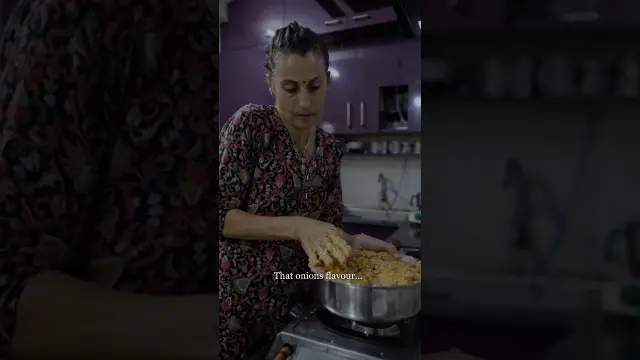
 Sundarii's Orappadai: A Traditional Thanjavur Recipe
#Traditional Cooking
3 ideas
Sundarii's Orappadai: A Traditional Thanjavur Recipe
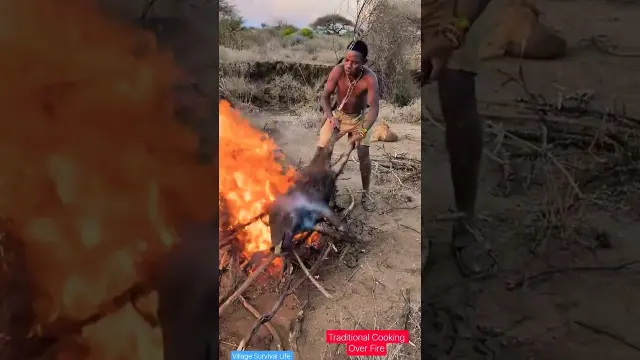 Traditional Outdoor Cooking Over a Wood Fire
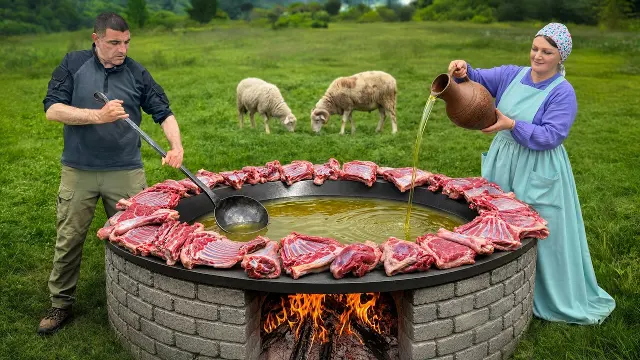 Cooking massive lamb pilaf in a mountain village
Get new #Traditional Cooking ideas by email
Every Thursday: the week's best ideas, with the newest from #Traditional Cooking.
Related tags
Traditional Cooking: Skills, Flavours and Methods
Traditional cooking is the practice of preparing food the way a community has done it for generations, using the ingredients, tools and rhythms available in that place. It is less a single cuisine than a way of thinking about food: seasonal, economical, unhurried, and built around the kitchen you actually have. A recipe is only one part of it — the fire, the pot, the hands and the company matter just as much.
Where it comes from
Every traditional kitchen grew out of limits. Clay ovens, cast iron pans, stone grinding stones and open flames shaped what could be cooked and how it tasted. Where fuel was scarce, dishes were built around boiling and steaming. Where grain was plentiful, breads and porridges became the backbone of daily meals. Where animals were raised, the whole animal was used, which is why so many old dishes involve slow braises, sausages, broths and preserved cuts. Preservation — drying, salting, smoking, fermenting, pickling and culturing — is one of the oldest strands of traditional cooking, and often the reason a region has a flavour you cannot recreate elsewhere.
The main techniques
Read more
Most traditional method comes down to a handful of principles. Slow cooking over low heat tenderises tough cuts and builds deep flavour. Direct fire cooking adds smoke and char. Fermentation and leavening turn simple ingredients into bread, cheese, yoghurt or sauces that keep. Communal cooking — a large pot of rice, a shared stew, a flatbread baked to order — suits feeding many people from few resources. And layered seasoning, built up during cooking rather than added at the end, is what gives old dishes their depth.
Starting out
You do not need special equipment to begin. A heavy pot, a sturdy pan, a sharp knife and a reliable heat source will carry you through a great many traditional dishes. Learn one dish deeply before moving on: cook it repeatedly, notice how the texture changes as you adjust heat and time, and let it become something you no longer need to look up.
Cook with people who know the food. A grandparent, a neighbour, someone from the community the dish belongs to — a single afternoon alongside them teaches more than any written recipe, because the details that matter are often the ones nobody thinks to write down. Ask about the small decisions: how they know the dough is ready, why they add the salt at that point, what they do when the fire runs hot.
Keep notes as you go, especially about quantities and timings, since traditional recipes are often taught by feel and memory. And be patient with unfamiliar ingredients — the first attempt at a new cuisine rarely tastes like the version that inspired it.
Above all, treat traditional cooking as a living practice rather than a museum piece. Every cook who learns a dish keeps it alive, and every kitchen adapts it a little. That is how these foods have always survived: not by staying exactly the same, but by being worth cooking again.
#Traditional Cooking: frequently asked questions
How do I get started with traditional cooking?
Begin by learning one dish deeply and cooking it repeatedly so you notice how heat and time change the texture, rather than rushing through many recipes. Spend time alongside someone who knows the food, because many of the small decisions that matter are rarely written down, and keep notes on quantities and timings as you go.
What do I actually need to begin?
You don't need special equipment; a heavy pot, a sturdy pan, a sharp knife, and a reliable heat source will carry you through a great many traditional dishes. What matters just as much as the recipe is the fire, the pot, the hands, and the company around it.
How do I choose which traditional style to learn?
Pick a style that belongs to a community whose food you can learn from, so you can ask the people who cook it about their techniques and small decisions. Choosing something within reach of your local ingredients and your own kitchen keeps it a living practice you can return to, rather than a distant museum piece.
How can I preserve food the traditional way?
Methods like drying, salting, smoking, fermenting, and pickling are some of the oldest parts of traditional cooking and give a region its distinctive flavour. Start with one method and learn how it changes taste and texture over time, since these details are usually passed down by feel and memory.
What mistakes do beginners commonly make?
A frequent mistake is jumping between dishes too quickly instead of mastering one, and expecting the first attempt at an unfamiliar cuisine to already taste like the version that inspired it. Rushing the seasoning step also skips the layered flavour built up during cooking, which is what gives old dishes their depth, so be patient and let the dish develop over time.
Videos come from YouTube and posts from Instagram; titles and summaries are our own. All rights belong to their creators.