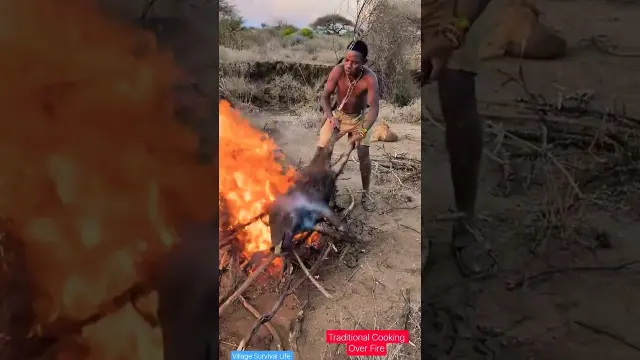
 Traditional Outdoor Cooking Over a Wood Fire
#Survival Cooking
1 ideas
Traditional Outdoor Cooking Over a Wood Fire
Get new #Survival Cooking ideas by email
Every Thursday: the week's best ideas, with the newest from #Survival Cooking.
Related tags
Survival Cooking: Methods, Fire and Food Safety
Survival cooking is the craft of preparing food with little more than a heat source, a container if you are lucky, and whatever you carried in. It sits somewhere between campfire cooking and emergency preparedness: less about elaborate recipes than about getting a warm, safe meal out of limited fuel, limited water and a situation you did not fully plan for. People come to it through hiking and backpacking, through power cuts and storms, through camping with children, or simply because they like the idea of knowing how to feed themselves without a kitchen.
Where it comes from
Cooking over open flame is older than agriculture, and many of the techniques still used today were developed long before metal pots existed. Stone boiling — heating rocks in a fire and dropping them into a watertight container — appears in cultures across the world, as does pit cooking, where food is buried with hot stones and left to cook slowly. Travellers, shepherds, soldiers and sailors each added their own solutions, and modern outdoor cooking borrows freely from all of them. What unites the tradition is improvisation: work with what burns, what holds water, and what is at hand.
The main approaches
Read more
- Open fire: the simplest heat source. A bed of coals gives steadier heat than leaping flames, and most food cooks better over embers than over fire.
- Ember and ash cooking: root vegetables, foil-wrapped packets and flatbreads can go directly into the coals, no pan required.
- Stick cooking: dough twisted around a dry green stick and held above the coals is one of the oldest breads there is.
- Hobo stoves and rocket stoves: small enclosed burners made from cans or stones that use twigs efficiently and concentrate heat.
- Solar and retained-heat cooking: dark pots in a sunny, insulated box, useful when fuel is scarce or open flame is not allowed.
- Pit cooking: a hole, hot stones, a layer of green leaves, food, more leaves, earth. Slow, fuel-efficient and good for larger cuts.
What beginners should know
Fire comes first, and it comes before you are hungry or cold. Practise lighting a fire in good conditions so that doing it in bad ones feels familiar. Carry more than one way to make a flame, keep tinder dry in a sealed bag, and never rely on a single method.
Water is the part people underestimate. Untreated water from streams, lakes or rain barrels can carry organisms that make you ill, and no amount of filtering through cloth fixes that. Bring water to a rolling boil and let it cool covered, or use a treatment method you understand well; if you are unsure, boiling is the safest option.
Food safety matters more outdoors, not less. Keep raw meat away from ready-to-eat food, cook meat and fish thoroughly rather than guessing, and remember that warm weather turns a cool bag into a risk within hours. Eat what you cook, and pack out what you cannot safely keep.
Practical habits
Choose a fire site away from overhanging branches, roots and dry grass, clear the ground, and never leave a fire unattended. Keep water or sand within reach, and put fires out properly — cold to the touch, not just out of sight. Cook in a sheltered spot out of the wind, and let coals build before you put food on them.
Keep your kit small and honest: a metal pot with a lid, a sturdy knife, a lighter and matches in waterproof packaging, a small stove if fires are not permitted, and a little salt. Learn one meal well — porridge, flatbread, rice and lentils, a simple stew — rather than ten badly. Practise at home first, in daylight, with a backup dinner in the cupboard. The point of survival cooking is not hardship; it is the calm that comes from knowing you can manage.
Let me count words roughly: probably ~560. Fine. Wait — I accidentally left "野外" in the description draft, but that was in my thinking; make sure the final output is clean English. Yes.
Output only the sections.TITLE: Survival Cooking: Methods and Safety Basics
DESCRIPTION: A practical guide to survival cooking: building a fire, simple cooking methods, treating water and keeping food safe with minimal equipment.
TEXT:
Survival cooking is the craft of preparing food with little more than a heat source, a container if you are lucky, and whatever you carried in. It sits somewhere between campfire cooking and emergency preparedness: less about elaborate recipes than about getting a warm, safe meal out of limited fuel, limited water and a situation you did not fully plan for. People come to it through hiking and backpacking, through power cuts and storms, through camping with children, or simply because they like the idea of feeding themselves without a kitchen.
Where it comes from
Cooking over open flame is older than agriculture, and many techniques still in use were developed long before metal pots existed. Stone boiling — heating rocks in a fire and dropping them into a watertight container — appears in cultures around the world, as does pit cooking, where food is buried with hot stones and left to cook slowly. Travellers, shepherds, soldiers and sailors each added their own solutions, and modern outdoor cooking borrows freely from all of them. What unites the tradition is improvisation: work with what burns, what holds water, and what is at hand.
The main approaches
- Open fire: the simplest heat source. A bed of coals gives steadier heat than leaping flames, and most food cooks better over embers than over fire.
- Ember and ash cooking: root vegetables, wrapped packets and flatbreads can go straight into the coals, no pan required.
- Stick cooking: dough twisted around a dry green stick and held above the coals is one of the oldest breads there is.
- Small enclosed stoves: burners made from cans or stacked stones that use twigs efficiently and concentrate heat.
- Solar and retained-heat cooking: dark pots in a sunny, insulated box, useful when fuel is scarce or open flame is not allowed.
- Pit cooking: a hole, hot stones, a layer of green leaves, the food, more leaves, then earth. Slow, fuel-efficient and suited to larger cuts.
What beginners should know
Fire comes first, and it comes before you are hungry or cold. Practise lighting one in good conditions so that doing it in bad conditions feels familiar. Carry more than one way to make a flame, keep tinder dry in a sealed bag, and never rely on a single method.
Water is the part people underestimate. Untreated water from streams, lakes or rain barrels can carry organisms that make you ill, and straining it through cloth does not fix that. Bring it to a rolling boil and let it cool covered, or use a treatment method you understand well; when in doubt, boiling is the safest option.
Food safety matters more outdoors, not less. Keep raw meat away from food you will eat uncooked, cook meat and fish thoroughly rather than guessing, and remember that warm weather turns a cool bag into a risk within hours.
Practical habits
Choose a fire site away from overhanging branches, exposed roots and dry grass, clear the ground, and never leave a fire unattended. Keep water or sand within reach, and put fires out properly — cold to the touch, not merely out of sight. Cook in a sheltered spot out of the wind, and let coals build before you put food on them.
Keep your kit small and honest: a metal pot with a lid, a sturdy knife, a lighter and matches in waterproof packaging, a compact stove where open fires are not permitted, and a little salt. Learn one meal well — porridge, flatbread, rice and lentils, a simple stew — rather than ten badly. Practise at home first, in daylight, with a backup dinner in the cupboard. The point of survival cooking is not hardship; it is the calm that comes from knowing you can manage.
#Survival Cooking: frequently asked questions
How do I get started with survival cooking?
Start small and practice in easy conditions: light a fire in good weather, cook one simple meal outdoors, and repeat it until the routine feels ordinary. Learning a single dish well — porridge, flatbread, rice with lentils, a basic stew — teaches you more than skimming many recipes. The aim is calm and familiarity, not hardship.
What do I actually need to carry?
A modest kit covers most situations: a metal pot with a lid, a sturdy knife, reliable ignition kept dry, a little salt, and a small stove for places where open fires are not allowed. Add a clean way to treat water and something to keep food cool if you are carrying perishables. Everything else is optional, and a small kit you understand beats a large one you do not.
Which cooking method should I choose?
Let the situation decide: an open fire or a bed of embers is the simplest option when fires are permitted and fuel is plentiful, while an enclosed twig-burning stove concentrates heat and uses less wood. Where flames are banned or fuel is scarce, solar and retained-heat cooking in a dark, insulated pot is a good substitute. Pit cooking suits larger cuts when you have time and want to use very little fuel.
How do I look after the kit between trips?
Dry everything thoroughly before storing it — damp ignition sources and tinder are the most common reason a fire fails when you need it. Clean and oil metal pots and knives so rust does not set in, and check that your fuel supply is topped up. Store the whole kit in one place so it is ready to grab rather than hunted for.
What mistakes do beginners make most often?
Waiting until you are hungry or cold to think about fire is the classic one, along with underestimating water: untreated stream or rain water can carry organisms that make you ill, and cloth filtering does not fix that. Boiling is the dependable option when you are unsure. Food handling is another — keep raw meat away from ready-to-eat food, cook meat and fish thoroughly, and never leave a fire unattended.
Any ideas for cooking with children or on a family trip?
Dough twisted around a dry stick and held over the coals is an old favourite and forgiving for beginners, and foil-wrapped packets buried in the embers let everyone assemble their own. Root vegetables can go straight into the coals with no pan at all. Keep tasks simple, give each person a job, and have a backup meal in reserve.
Videos come from YouTube and posts from Instagram; titles and summaries are our own. All rights belong to their creators.