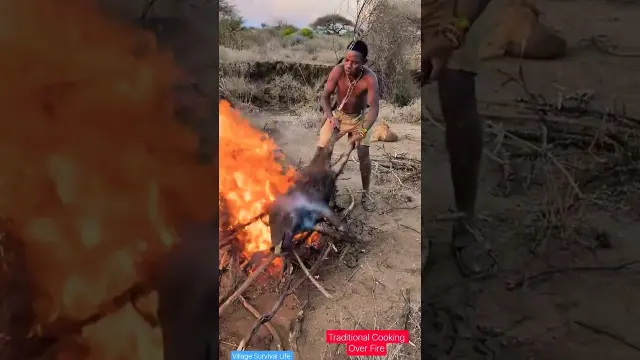
 Traditional Outdoor Cooking Over a Wood Fire
#Outdoor Food
1 ideas
Traditional Outdoor Cooking Over a Wood Fire
Get new #Outdoor Food ideas by email
Every Thursday: the week's best ideas, with the newest from #Outdoor Food.
Related tags
Outdoor Food: A Guide to Eating Well in the Open Air
Outdoor food is any meal prepared or eaten away from the kitchen table — in a park, a garden, a forest clearing, on a beach, at a campsite or beside a trail. It is less a cuisine than a way of cooking and eating, shaped by whatever the setting offers: a fire, a portable stove, a cool box, a folding table, or simply a blanket on the grass. What ties it all together is the shift in circumstances. You have fewer tools, less shelter and more variables, and yet the meal often tastes better for it.
Why it feels different
Eating outside changes the experience more than the recipe does. Food cooked in the open air carries smoke, char and the smell of the surroundings. Appetite tends to rise with fresh air and movement. Meals become social and unhurried, with people gathered around a single heat source rather than moving between kitchen and table. Many outdoor dishes are also deliberately simple, which means the ingredients have to carry the flavour on their own.
The main kinds
Read more
- Picnic food: food designed to travel and be eaten cold or at room temperature — sandwiches, pies, salads, cheese, fruit, cold roast meats, and baked goods that survive a journey.
- Grilling and barbecue: cooking over direct or indirect heat from coals, wood or gas. The emphasis falls on quick-cooking cuts, vegetables, skewers and anything that takes well to char.
- Campfire cooking: a broader, slower approach — one-pot stews, foil parcels, breads and potatoes baked in the embers, food cooked in cast iron over flames.
- Camp stove cooking: lightweight fuel stoves used when speed and reliability matter more than smoke, common on multi-day trips.
- Trail and travel food: compact, durable things eaten on the move — nuts, dried fruit, cured sausage, hard cheese, flatbreads, energy-dense bars.
Techniques worth knowing
Two-zone grilling, where you keep one area hot for searing and another cooler for finishing, gives you far more control than a single fierce fire. Wrapping food in foil or leaves steams it gently in its own moisture. Cooking in embers suits dense vegetables and doughs. And the oldest lesson of all: build the fire, let it burn down to glowing coals, and cook over those rather than over leaping flames.
What beginners should know
Plan the meal around your constraints, not the other way round. Choose dishes that tolerate being packed, transported and served without precision timing. Prepare as much as you can at home — washed, chopped, marinated, portioned — so that the outdoor part stays relaxed.
Keep cold food properly cold and raw meat separate from anything ready to eat. Cook meat through rather than guessing. Bring more water than you think you need, plus a way to wash hands or a bottle of hand gel. Take a sharp knife, a surface to work on, rubbish bags and something to put out a fire.
Finally, leave the place as you found it. Take everything home, keep fires contained and never light one where it is not permitted. Good outdoor food depends on the outdoors staying good.
#Outdoor Food: frequently asked questions
How do I get started with outdoor food if I've never cooked outside before?
Begin with a dish you already know well and keep the outdoor part small — a picnic, or a simple meal cooked over coals in a garden or park. Do the washing, chopping and marinating at home so that outside you are only assembling and heating. Once that feels easy, add a technique like cooking over embers or wrapping food in foil.
What should I actually bring with me?
At minimum: a cool box or insulated bag, more water than you expect to use, a way to clean hands, a sharp knife, a clean surface to work on, and bags for everything you bring in. Add a contained heat source and something to put a fire out if you plan to cook over flames. It is far easier to leave a spare item in the car than to improvise with what you don't have.
Which kind of outdoor food should I choose?
Let the setting and the mood decide rather than the recipe. A short, easy outing suits picnic food that travels well and is eaten cold; a relaxed gathering with people standing around suits grilling and skewers; a slow evening suits campfire cooking and embers; a long lightweight trip suits a small stove and compact, durable food. Choose the approach first, then build the menu around what that approach does well.
How do I keep food cold and safe once I'm outside?
Keep cold food properly cold in an insulated box, and keep raw meat completely separate from anything that is ready to eat. Cook meat through rather than judging by look or timing, and don't let food sit out in the sun for long stretches. If you are in any doubt about how something has been stored, leave it.
What mistakes do beginners make most often?
The most common is cooking over leaping flames instead of waiting for the fire to burn down to glowing coals, which chars the outside before the middle is done. The second is an over-ambitious menu that demands precision timing outdoors. The third is forgetting the aftermath — leaving rubbish, lighting fires where they aren't permitted, or walking away from embers that are still live.
What makes a good menu for an outdoor gathering?
Pick food that is forgiving about timing, easy to share, and happy to be cooked in batches over a single heat source — skewers, vegetables, flatbreads, something wrapped and left in the coals. Prepare and portion as much as possible before you leave, so the cooking itself is sociable rather than frantic. Simplicity is the point: with fewer tools and more variables, good ingredients have to do the work.
Videos come from YouTube and posts from Instagram; titles and summaries are our own. All rights belong to their creators.