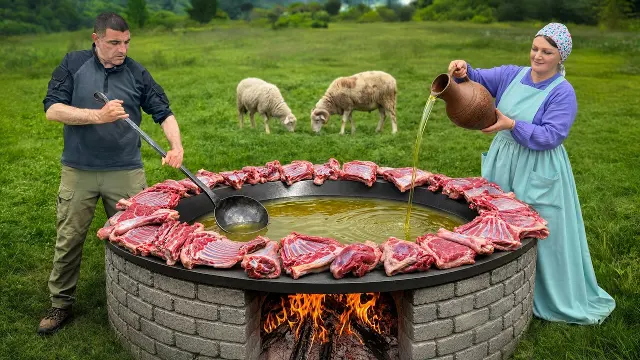
 Cooking massive lamb pilaf in a mountain village
#Cuisine
14 ideas
Cooking massive lamb pilaf in a mountain village
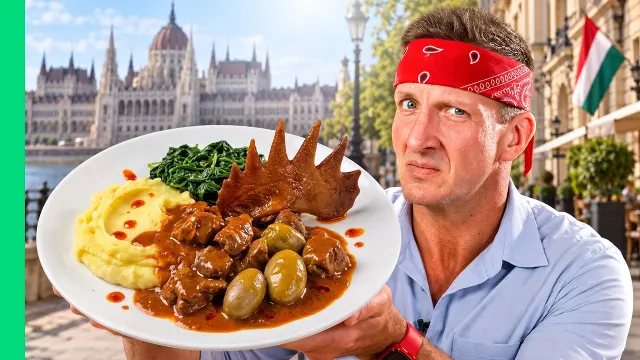 Exploring traditional Hungarian cuisine in Budapest
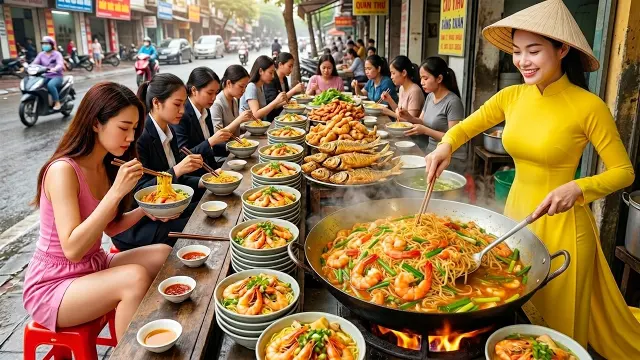 Thai street food wok cooking master skills
 Trying traditional Colombian street food in Bogota
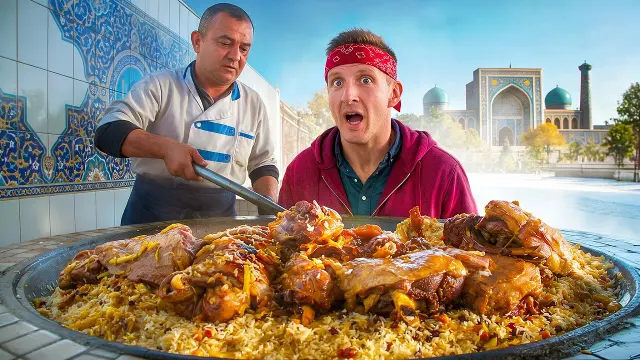 Sampling Traditional Street Food in Uzbekistan
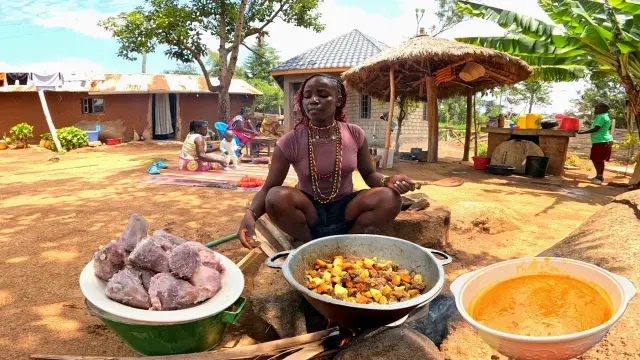 Rainy day organic vegetable and pumpkin soup lunch
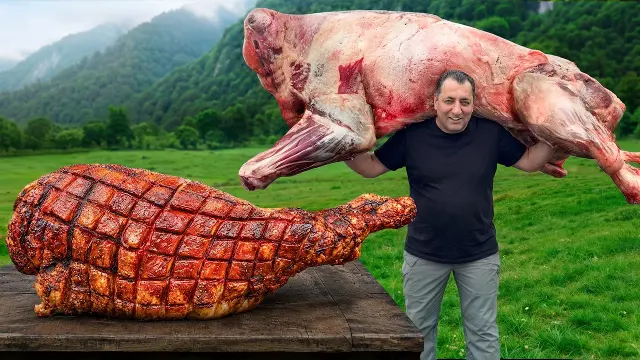 Wilderness cooking compilation in stunning 4K
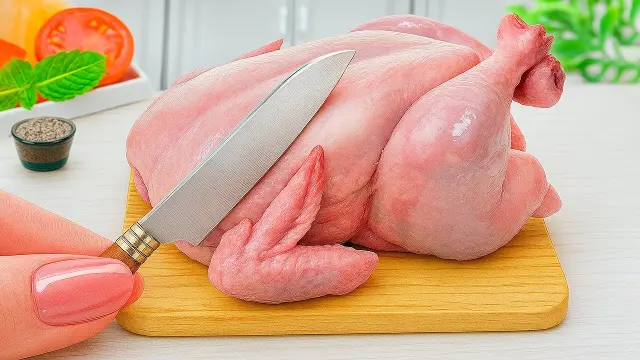 Miniature chicken curry cooked inside a pumpkin
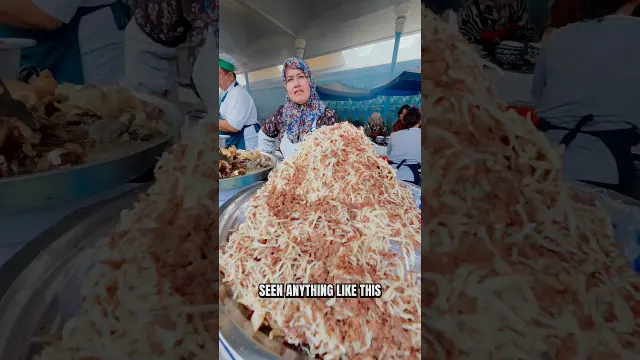 Trying Unique Horse Pasta in Uzbekistan
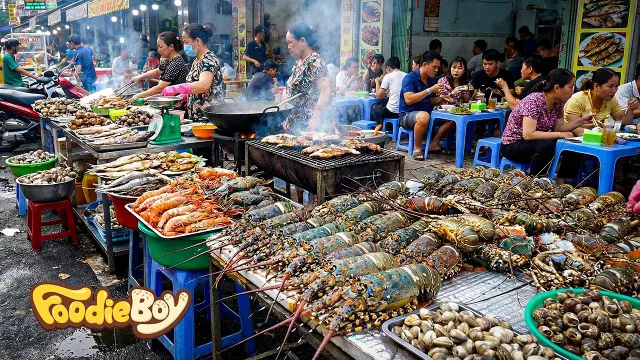 Top five Vietnamese street food dishes to try
 Creamy cannellini bean dip recipe
 Chinese rural style grilled fish and roasted duck feast
 Cooking a giant river fish in rustic style
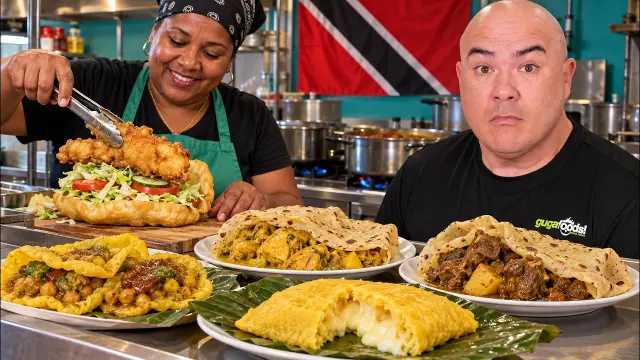 Tasting authentic Trinidadian Caribbean food
Get new #Cuisine ideas by email
Every Thursday: the week's best ideas, with the newest from #Cuisine.
Related tags
Cuisine: Food, Culture, and Cooking Traditions
Cuisine is the art and practice of preparing food, but it is also much more than recipes. It includes the ingredients people use, the techniques they learn, the meals they share, and the cultural traditions that shape the way food is cooked and eaten. Every cuisine tells a story about climate, geography, trade, religion, and family life.
What cuisine means
A cuisine can describe the food of a country, a region, or a community. It may be based on local grains, vegetables, meats, spices, or herbs, and it often grows from what was available and affordable over time. Some cuisines are known for slow cooking and rich sauces, others for fresh ingredients and simple seasoning, and many balance both.
Cuisine is not fixed. It changes as people travel, migrate, and exchange ideas. That is why many dishes have versions that differ from one household to another. Family recipes are often just as important as formal cooking traditions, and they are part of what makes cuisine so personal.
Read more
Common kinds and styles
There is no single way to divide cuisine, but a few broad styles appear often:
- Regional cuisine: food shaped by a specific place, such as coastal, mountain, or rural cooking.
- Traditional cuisine: dishes passed down through generations, often tied to celebrations or daily routines.
- Home cooking: practical meals made regularly in ordinary life.
- Fine dining cuisine: carefully presented dishes that may use refined techniques and more layered flavors.
- Street food: quick, accessible food sold in markets or public spaces, often deeply rooted in local taste.
Many cuisines also have clear patterns in flavor. Some rely on spice blends, others on herbs, fermentation, roasting, grilling, stewing, or baking. Bread, rice, noodles, legumes, and vegetables are common foundations in many parts of the world.
Techniques and ingredients
If you are beginning to explore cuisine, start by understanding a few basic cooking methods. Sautéing, simmering, roasting, steaming, and baking can take you far. Learn how to build flavor in layers: by seasoning properly, cooking ingredients to the right texture, and tasting as you go.
Good cuisine does not depend on complexity. A short list of fresh ingredients, handled carefully, can create memorable food. Over time, you may notice how acidity, salt, fat, heat, sweetness, and aroma work together.
Practical tips for beginners
- Start with simple dishes and repeat them until you feel confident.
- Read recipes all the way through before you begin.
- Taste throughout cooking, not only at the end.
- Keep your knives sharp and your workspace organized.
- Learn a few basic sauces, soups, or grain dishes that can be adapted easily.
- Respect traditional recipes, but do not be afraid to make small changes for your own kitchen.
Why cuisine matters
Cuisine brings people together. It can mark holidays, comfort someone after a long day, and help preserve memory and identity. When you learn about different cuisines, you also learn about the people behind them: their habits, values, and resourcefulness.
Whether you are cooking for yourself, your family, or guests, cuisine is a way of expressing care. The best place to start is simply by paying attention to flavor, tradition, and the ingredients in front of you.
#Cuisine: frequently asked questions
How do I start learning to cook a cuisine I've never tried?
Pick a tradition you're drawn to and begin with its simplest everyday dishes, repeating them until the techniques start to feel natural. Read the recipe all the way through before you begin, keep your workspace organised and your knives sharp, and taste as you go rather than only at the end. Confidence comes from repetition, not from attempting the most complicated dish first.
What do I actually need in the kitchen to get started?
Far less than most people expect: a short list of fresh ingredients plus a few dependable methods such as sautéing, simmering, roasting, steaming and baking will carry most meals. A sharp knife, a couple of pans and clear counter space matter more than specialised equipment. Learning to balance salt, fat, acidity, heat and sweetness will improve your cooking more than any gadget.
How do I choose which style of cuisine to explore?
Start from what you already love eating and trace where it comes from, since regional cooking, traditional celebration dishes, home food, street food and fine dining each teach something different. Home cooking and street food are usually the easiest entry points, because they rely on practical techniques and ingredients you can actually find. Stay with one tradition long enough to cook from it repeatedly before moving on to the next.
What mistakes do beginners make most often?
The recurring ones are under-seasoning, rushing the cooking so textures never develop, and starting before reading the recipe to the end. Not tasting throughout is the biggest of these, because flavour is built in layers while food cooks rather than corrected at the finish. Dishes also suffer when an ingredient is swapped out without understanding what it was contributing to the whole.
How can I make a meal feel special for an occasion?
Presentation and pacing do most of the work — a carefully plated version of a familiar dish, or a street-food-style spread that guests serve themselves, both feel festive without needing refined technique. Lean on tradition, since dishes tied to celebrations carry meaning that people notice. Keep the menu short and cook only what you can handle calmly.
Is it acceptable to change a traditional recipe?
Yes — cuisine has always shifted as people travel and exchange ideas, which is why the same dish differs from one household to another. Respect the underlying technique and the balance of flavours, then adjust for what is actually in your kitchen. Small, deliberate changes tend to teach you more about a dish than following it rigidly.
Videos come from YouTube and posts from Instagram; titles and summaries are our own. All rights belong to their creators.