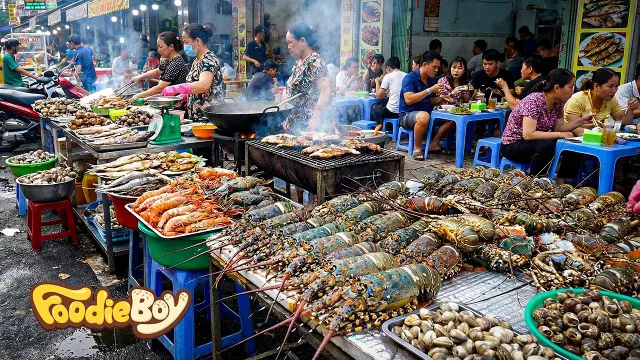
 Top five Vietnamese street food dishes to try
#Vietnamese Food
1 ideas
Top five Vietnamese street food dishes to try
Get new #Vietnamese Food ideas by email
Every Thursday: the week's best ideas, with the newest from #Vietnamese Food.
Related tags
Vietnamese Food Guide
Vietnamese food is known for its balance, freshness, and variety. It brings together rice, noodles, vegetables, herbs, seafood, meat, and broths in a way that feels light but satisfying. At its heart, this cuisine is about harmony: salty, sweet, sour, spicy, and umami flavors are often used together so that no single taste overwhelms the others.
Vietnamese cooking grew from a long culinary tradition shaped by the country’s geography and history. Coastal regions naturally use more fish and seafood, while river deltas and fertile plains support rice, herbs, vegetables, and freshwater ingredients. Over time, local cooking styles developed alongside outside influences, yet Vietnamese food remained distinct through its focus on freshness, fragrance, and simple but careful preparation.
Main ingredients and flavors
Many Vietnamese dishes rely on a few core ingredients:
- Rice, in the form of steamed rice, rice noodles, rice paper, or rice porridge
- Fresh herbs such as mint, basil, cilantro, and sawtooth herb
- Fish sauce, which adds depth and saltiness
- Lime, chili, garlic, and sugar for balance
- Vegetables, bean sprouts, cucumber, and pickled vegetables
- Broths made by simmering bones, aromatics, and spices
Read more
What makes the cuisine special is not just the ingredients, but the way they are combined. A dish is often served with a plate of herbs, lime wedges, chilies, or sauce so you can adjust the flavor to your taste.
Regional styles
Vietnamese food changes from north to south. In the north, flavors are often more restrained and savory, with clear broths and fewer sweet notes. In central Vietnam, cooking can be bolder and more intense, with stronger spice and more elaborate presentation. In the south, dishes often taste sweeter and include more herbs, tropical produce, and dipping sauces. These regional differences are part of what makes the cuisine so rich and varied.
Common dishes and forms
You will often find soups, noodle bowls, rice plates, fresh rolls, and grilled dishes. Pho is one of the best-known noodle soups, while bun refers to rice noodles that can be served cold or warm with meat, herbs, and dressing. Rice paper rolls are another familiar style, often filled with herbs, noodles, vegetables, and protein. Grilled meats, broken rice, and rice porridge are also common in everyday eating.
What beginners should know
If you are new to Vietnamese food, start with dishes that show its balance clearly: a noodle soup, a rice noodle bowl, or fresh rolls with herbs and dipping sauce. Don’t be surprised if the meal comes with many accompaniments. It is normal to customize each bite with herbs, sauce, lime, or chili.
A few practical tips can help you enjoy it more:
- Taste the broth or sauce before adding extras
- Use herbs generously; they are part of the dish, not just garnish
- Try mixing textures, especially soft noodles with crunchy vegetables
- If you are cooking at home, focus on freshness and balance rather than complicated seasoning
Vietnamese food is welcoming because it can be simple, but it is never plain. Once you learn its balance of flavors and textures, you start to see how much care is built into every bowl, plate, and roll.
#Vietnamese Food: frequently asked questions
How do I start eating Vietnamese food if I have never tried it?
Begin with dishes that make the cuisine's balance easy to taste, such as a clear noodle soup, a rice noodle bowl, or fresh rolls with herbs and a dipping sauce. Expect a table full of accompaniments like herbs, lime, and chili — that is normal, and you are meant to adjust each bite to your own taste. Taste the broth or sauce first before adding anything, so you learn what the base flavor is like.
What ingredients do I need to cook Vietnamese dishes at home?
The core pantry is small: rice in some form, fish sauce, lime, garlic, chili, and sugar, plus fresh herbs and vegetables. Broths come from simmering bones with aromatics and spices rather than from complicated seasoning blends. Focus on freshness and balance instead of collecting many specialty items.
Which regional style of Vietnamese food should I choose?
Northern cooking tends to be restrained and savory, with clear broths and less sweetness, while central dishes are bolder and more intensely spiced. Southern cooking leans sweeter and uses more herbs, tropical produce, and dipping sauces. Pick the north for subtlety, the center for intensity, or the south for brighter, sweeter flavors.
How should I handle all the herbs and sauces served alongside a dish?
Treat the herbs as part of the dish rather than as decoration, and use them generously. Add lime, chili, or sauce gradually and taste as you go, since the point is to tune the sour, salty, sweet, and spicy notes to your liking. Adding everything at once usually flattens the balance the dish was built around.
What are common mistakes when making Vietnamese food for the first time?
Over-seasoning too early is the usual one — taste the broth or sauce before adding extras. Another is skimping on fresh herbs and crunchy vegetables, which provide the texture contrast that soft noodles need. Keep preparation simple and let freshness carry the dish rather than stacking on heavy seasoning.
What should I serve for a casual gathering built around Vietnamese food?
A noodle bowl or fresh rolls works well because each guest can assemble and adjust their own portion with herbs, sauce, lime, and chili. Pair soft noodles with crunchy vegetables and a grilled dish for contrast, and keep things light so the meal stays easy to share.
Videos come from YouTube and posts from Instagram; titles and summaries are our own. All rights belong to their creators.