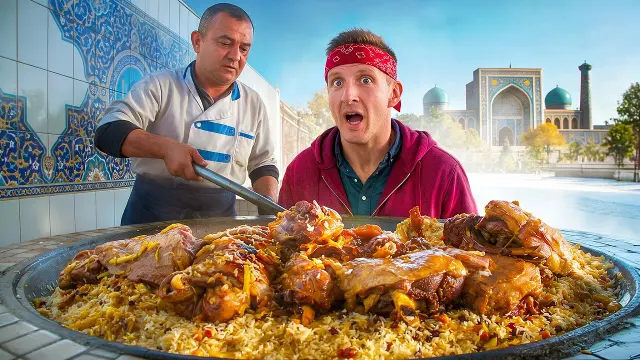
 Sampling Traditional Street Food in Uzbekistan
#Central Asian Cuisine
1 ideas
Sampling Traditional Street Food in Uzbekistan
Get new #Central Asian Cuisine ideas by email
Every Thursday: the week's best ideas, with the newest from #Central Asian Cuisine.
Related tags
Central Asian Cuisine: A Guide to Flavours and Traditions
Central Asian cuisine is the cooking of the vast stretch of land between the Caspian Sea and the mountains of western China, shaped over centuries by the peoples of Kazakhstan, Kyrgyzstan, Uzbekistan, Tajikistan and Turkmenistan. Its character comes from two very different ways of life that have always sat side by side: the pastoral nomads of the steppe, who lived from herds of sheep, horses and goats, and the settled farmers of the oasis towns along the old Silk Road, who grew grain, fruit and vegetables in irrigated valleys. Add the influence of Persian, Turkic, Mongol and later Russian cooking, and you get a table that is hearty, aromatic and deeply tied to hospitality.
The building blocks
Meat and dough are the heart of the kitchen. Lamb and beef dominate, with horse meat prized in Kazakh and Kyrgyz cooking. Dairy appears constantly: yoghurt, sour cream, clarified butter, dried curd balls and fermented mare's or camel's milk. Bread is sacred in the sense that it is never wasted or placed on the ground; round flatbreads baked against the wall of a clay tandyr oven accompany nearly every meal. Rice, wheat noodles and root vegetables fill out the plate, while cumin, coriander, black pepper, dried barberries and generous handfuls of fresh herbs do the seasoning.
Dishes you are likely to meet
Read more
- Plov, also called osh: rice cooked in a heavy pot with lamb, carrots, onions and whole spices, the centrepiece of celebrations.
- Beshbarmak: wide boiled noodles topped with meat and onion broth, eaten by hand in nomadic tradition.
- Lagman: hand-pulled noodles with a rich vegetable and meat sauce.
- Manti and samsa: steamed and oven-baked dumplings and pastries filled with meat or pumpkin.
- Shashlik: skewers of marinated meat grilled over charcoal.
- Simple soups and dumpling broths, often finished with herbs and a spoonful of yoghurt.
How it is cooked
Three tools matter more than any other: the kazan, a deep cast-iron pot used for rice, stews and frying; the tandyr, the clay oven that gives bread its blistered crust; and the hands of the cook, since noodles, dumplings and pastries are still made by feel rather than measurement. Cooking is often done for crowds, in large quantities, with the understanding that guests will arrive.
What beginners should know
Start with plov. It teaches the essential logic of the cuisine: browning meat properly, cooking the vegetables down until sweet, then adding rice and liquid in the right proportion and leaving it to steam undisturbed. Buy good cumin and toast it lightly before grinding. Cook your onions longer than feels necessary. Taste the salt at the end rather than the beginning.
If you are new to the food, remember that a Central Asian meal is built around tea and bread, and the food arrives in waves rather than courses. Eat with your hands where that is the custom, accept the second cup, and do not rush. The generosity is the point.
#Central Asian Cuisine: frequently asked questions
How do I start cooking Central Asian food at home?
Begin with plov, because it teaches the whole logic of the kitchen in one pot: brown the meat properly, cook the onions and carrots down until sweet, then add rice and liquid and let it steam without stirring. Once that feels natural, move on to simpler soups and grilled skewers before attempting hand-pulled noodles or dumplings.
What equipment do I actually need?
A heavy, deep pot with a tight lid is the workhorse, since it handles rice, stews and frying alike, and a very hot oven or heavy skillet will stand in for the clay tandyr when you bake flatbreads. Beyond that the tools are your hands, as noodles, dumplings and pastries in this tradition are shaped by feel rather than measured out.
Which dish should I pick for my first attempt?
Choose according to the occasion: plov for a crowd and a celebration, a noodle soup or lagman for an easy weeknight, and manti or samsa when you have an afternoon to spend folding. Grilled skewers are the least demanding way in if you are nervous about dough.
How do I keep flatbread and spices at their best?
Round flatbreads are at their finest the day they are baked, so wrap what you do not eat and warm it briefly rather than letting it dry out uncovered. Whole spices such as cumin keep their aroma far longer than ground ones, so buy them whole, toast a small batch as you need it, and grind it fresh.
What should I serve when I have guests?
Build the table around tea and bread first, then send the food out in waves rather than as set courses, so the table never feels empty or overloaded at once. Put a generous pot of something central in the middle, add a salad of tomato and onion and a bowl of yoghurt, and let people help themselves.
What mistakes do beginners usually make?
The most common ones are rushing the onions, which need far longer than feels sensible to turn sweet, and salting at the start instead of tasting at the end. Another is lifting the lid and stirring the rice while it steams, which is exactly what turns a good plov soft and sticky.
Videos come from YouTube and posts from Instagram; titles and summaries are our own. All rights belong to their creators.