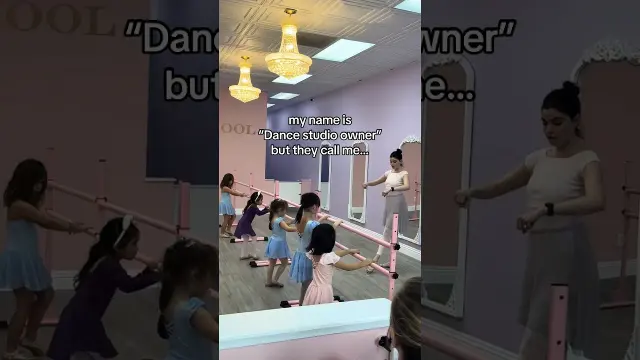
 Why Running a Dance Studio Means More Than Business
#Dance Studio
6 ideas
Why Running a Dance Studio Means More Than Business
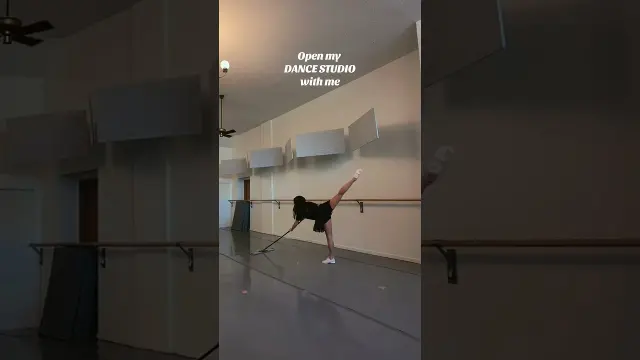 Deep Clean Day With a Dance Studio Owner
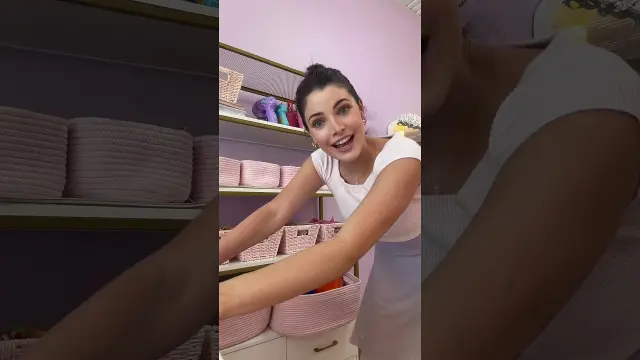 Day in the Life of a Dance Studio Owner Teaching Toddler Ballet
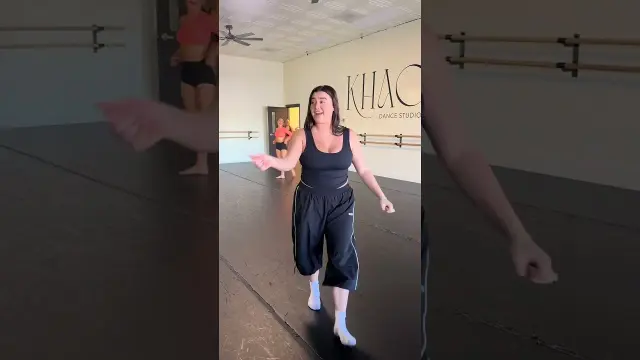 A Day in the Life of a Dance Teacher and Studio Owner
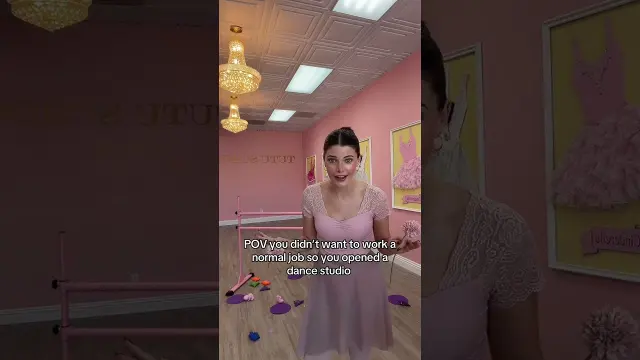 Owning a Dance Studio Is a 24/7 Job, and She Loves It
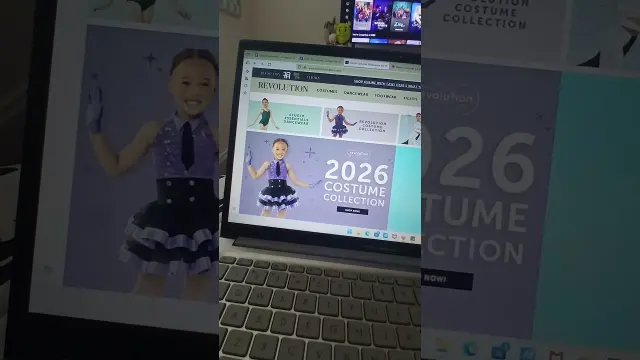 What a 22-Year-Old Dance Studio Owner Spends in a Week
Get new #Dance Studio ideas by email
Every Thursday: the week's best ideas, with the newest from #Dance Studio.
Related tags
Dance Studio: A Guide to Classes, Spaces and Starting Out
A dance studio is a room built for movement and the business that runs it. The word covers both: the physical space with its mirrors, barres and sprung floor, and the school that fills it with classes, rehearsals and performances. For most people it is simply the place where they learned to move to music in the company of others, whether that was a childhood ballet lesson or a first salsa class as an adult.
Where it comes from
Dance has always been taught, but the studio as a dedicated room is a fairly modern idea. Formal training grew out of the court and social dancing traditions of Europe, where dancing masters travelled to teach steps to paying pupils. As ballet and later modern dance developed their own techniques, they needed purpose-built rooms with floors that could absorb impact and walls of mirrors that let dancers see themselves from the front. The model spread, and today almost every town has a studio of some kind.
What happens inside
Read more
Studios usually organise themselves around styles. Ballet remains the foundation of much Western training, with its barre work and precise vocabulary. Alongside it you will find contemporary, jazz, tap, hip-hop, street styles, ballroom and Latin, plus fitness-oriented formats and classes for very young children. Many studios also teach musical theatre, acrobatics or cultural dance forms rooted in particular communities.
A class generally follows a shape: a warm-up, work on technique, movement across the floor, then a combination or routine. Children's classes lean towards games and simple sequences; adult classes tend to be more direct about technique, and beginner courses assume no experience at all.
How a studio runs
Behind the timetable sits a small operation. Someone owns or rents the space, hires teachers, schedules classes around school hours and recitals, handles registrations and keeps the floor clean and safe. Recitals and exams give students a goal, and many studios build a community around them: parents in the waiting area, teenagers assisting with younger classes, adults who have danced in the same room for years.
If you are just starting
Look for a beginner class rather than dropping into an advanced one, and ask whether you can try a single session first. Wear clothes you can move in and bring water. Expect to feel clumsy for a few weeks; that is normal and passes. Tell the teacher about any injury or physical limitation before class begins so they can offer alternatives.
Practical tips
Arrive a few minutes early, leave your street shoes at the door if the studio asks, and keep conversation low while others are working. Practise a little between classes, even badly. Consistency matters far more than intensity, and a studio is at its best when students feel they belong there.
#Dance Studio: frequently asked questions
How do I start taking classes at a dance studio if I’m a complete beginner?
Look for a beginner class instead of joining an advanced level, and ask if you can try one class first. Wear comfortable clothes that let you move easily, bring water, and expect a short adjustment period while you learn the basics.
What should a dance studio have before I choose it?
A good studio should feel safe, clean, and set up for movement, with a floor that protects dancers and enough space to work comfortably. It also helps if the studio has clear class levels, supportive teachers, and an atmosphere where new students feel welcome.
Which type of dance class should I choose at a studio?
Choose the style that matches your goal and personality, whether that is ballet for technique, jazz or hip-hop for energetic movement, ballroom or Latin for partner-style dancing, or a children’s class with games and simple steps. If you are unsure, try a class that focuses on fundamentals so you can build confidence before moving on.
How do I care for a dance studio floor and space?
Keep the floor clean, dry, and free of clutter so it stays safe for movement. It also helps to limit noisy distractions, use the space respectfully, and follow studio rules about shoes and equipment so the room remains usable for everyone.
What are common mistakes people make when joining a dance studio?
A common mistake is choosing a class that is too advanced and then feeling discouraged too quickly. Another is expecting perfect technique right away; progress usually comes from steady practice, asking questions, and showing up consistently.
Videos come from YouTube and posts from Instagram; titles and summaries are our own. All rights belong to their creators.