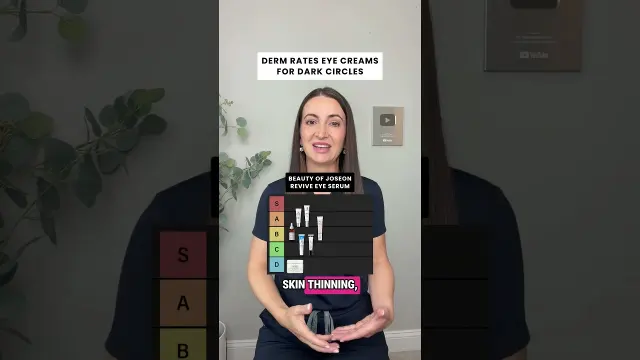
 Dermatologist Rates Popular Eye Creams for Different Dark Circle Types
#Dark Circles
13 ideas
Dermatologist Rates Popular Eye Creams for Different Dark Circle Types
 Why You Should Reconsider Laser Treatments for Dark Circles
 Three Simple Ayurvedic Kitchen Remedies for Stubborn Dark Circles
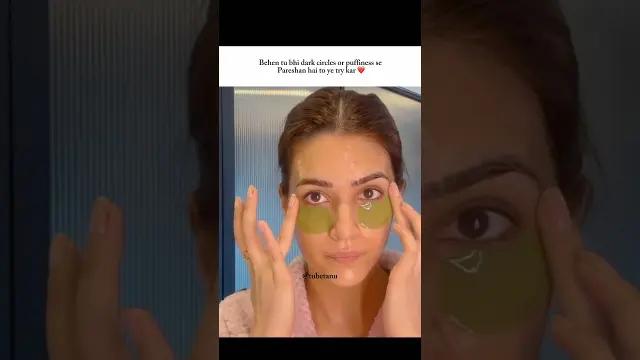 Viral Under Eye Patches for Dark Circles and Puffiness
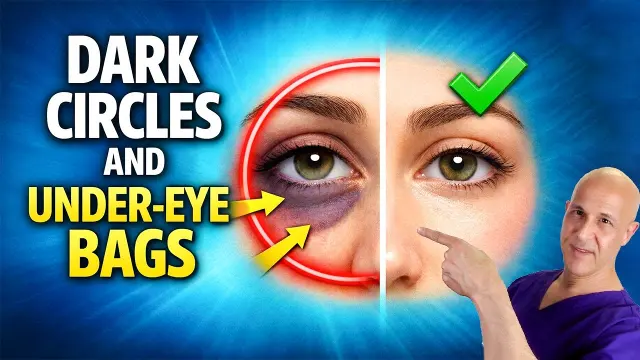 Natural Under-Eye Mask Recipe for Dark Circles and Puffiness
 A 21-Day Ayurvedic Routine and Face Yoga for Dark Circles
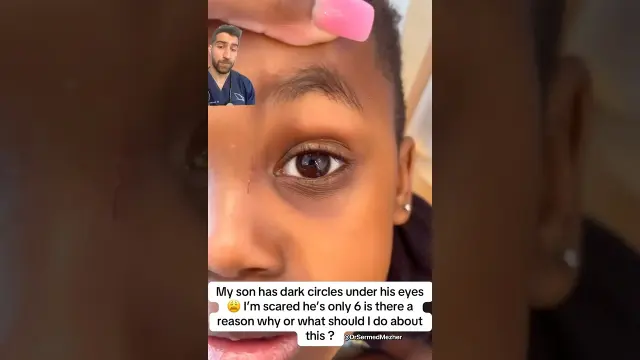 Why Children Get Dark Circles Under Their Eyes
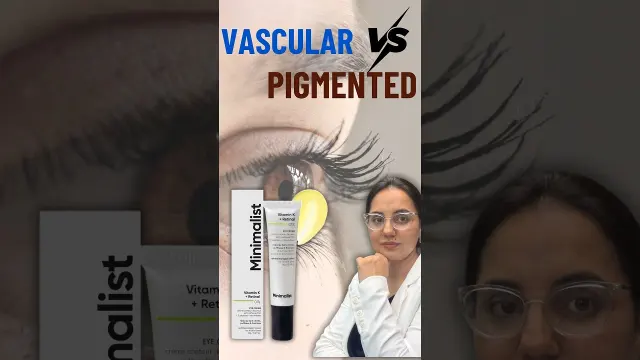 Minimalist Retinal Eye Cream Review for Vascular Dark Circles
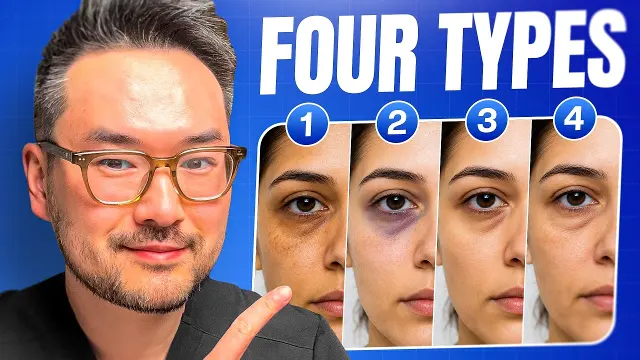 How to Identify Your Dark Circle Type Using a Simple Mirror Test
 Understanding the Root Causes of Dark Circles Under the Eyes
 Dermatologist Explains Common Myths and Truths About Dark Circles
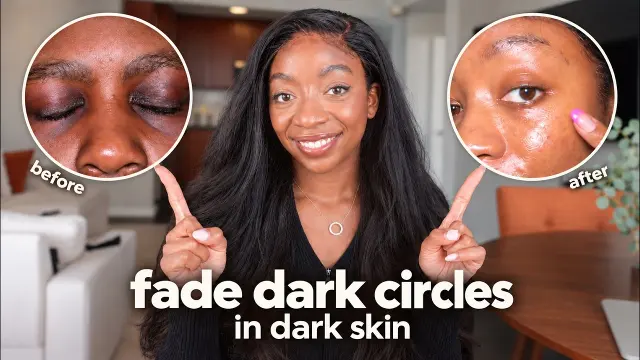 Choosing the Right Eye Creams for Dark Skin Tones
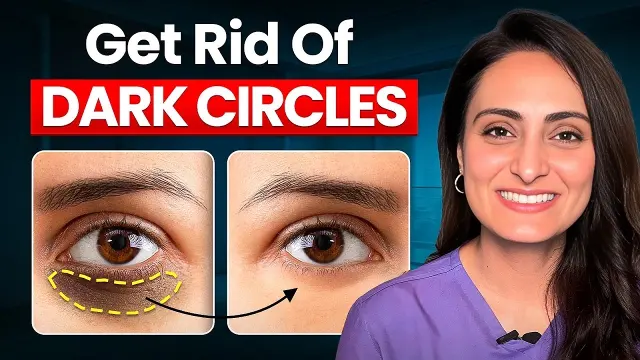 Dermatologist Guide on Causes and Treatments for Dark Circles
Get new #Dark Circles ideas by email
Every Thursday: the week's best ideas, with the newest from #Dark Circles.
Related tags
Dark Circles: Causes, Care, and Concealing Tips
What dark circles are
Dark circles are the darker-looking shadows or pigmentation that can appear under the eyes. For many people, they make the under-eye area look tired, hollow, or slightly bruised, even when you feel fine. They are very common and can affect any skin tone, though they may show up differently from person to person.
There is no single cause. Under-eye darkness can be related to your natural features, such as thin skin, visible blood vessels, or the shape of the face that creates shadows. It can also be made more noticeable by lack of sleep, stress, rubbing the eyes, dehydration, allergies, or sun exposure. In some cases, genetics play a big role.
Common types and appearances
Read more
Dark circles do not all look the same. They may appear as:
- Brown or dark patches, which are often linked to pigmentation
- Blue, purple, or reddish tones, which can come from blood vessels showing through the skin
- Shadowed hollows, where the shape of the under-eye area creates a darker look
- A mix of these, which is very common
Because the cause varies, one person may benefit more from gentle skincare, while another may find that makeup or lifestyle changes make the biggest difference.
Gentle care for the under-eye area
The skin around your eyes is delicate, so simple and careful routines are best. A mild cleanser, regular moisturiser, and sunscreen during the day can help protect the area. If you use eye creams or serums, choose formulas made for sensitive skin and introduce them slowly.
Some ingredients that are commonly used in under-eye products include moisturising ingredients, brightening ingredients, and soothing ingredients. If a product stings, irritates, or makes the area red, stop using it. It is better to keep things gentle than to overdo treatment.
A few practical habits can also help:
- Get enough rest when you can
- Stay hydrated through the day
- Avoid rubbing your eyes
- Remove makeup carefully
- Wear sunglasses and sunscreen to help limit sun-related darkening
- Manage allergy triggers if they seem to make the area worse
Makeup and quick camouflage
If you want to soften the look of dark circles, makeup can help. A creamy concealer that matches your skin tone or slightly brightens the area is often easier to blend than a very thick formula. Use a small amount and build coverage gradually so the under-eye area does not look heavy or cakey.
Colour correctors can also be useful. Peach or orange tones may help neutralise blue or purple shadows, while a concealer with a warmer undertone can help with brownish darkness. The key is to use thin layers and blend well.
When to be mindful
Dark circles are usually harmless, but if they appear suddenly, affect only one side, or come with swelling, pain, itching, or other ongoing changes, it is sensible to ask a healthcare professional for advice. The under-eye area can reflect many different things, so getting personalised guidance is sometimes the safest choice.
For most people, the goal is not perfection. It is simply to care for the skin kindly, reduce anything that makes the circles more noticeable, and choose the level of coverage that feels right for you.
Videos come from YouTube and posts from Instagram; titles and summaries are our own. All rights belong to their creators.