 Valuable Free Certifications Across Different Industries
#Data Analytics
4 ideas
Valuable Free Certifications Across Different Industries
 Seven Online Certifications That Deliver Real Career Value
 Top 5 Professional Certifications Worth More Than a Traditional Degree
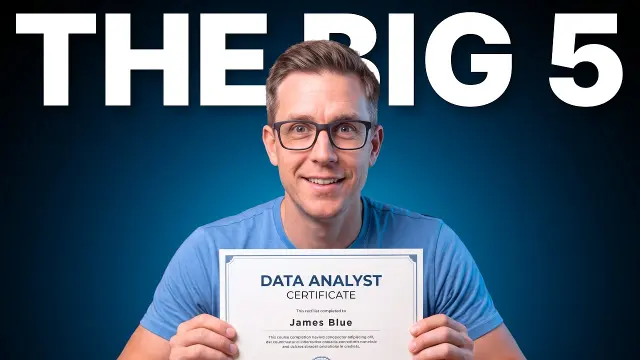 Top Data Analyst Certifications for 2026 Career Growth
Get new #Data Analytics ideas by email
Every Thursday: the week's best ideas, with the newest from #Data Analytics.
Related tags
Data Analytics Guide
What data analytics is
Data analytics is the practice of examining data to find patterns, answer questions, and support decisions. It is used in business, science, public services, and many other fields where people need to understand what is happening and why. At its core, data analytics turns raw information into something useful and understandable.
The idea is simple: collect data, clean it, study it, and interpret the results. The data may come from sales records, websites, surveys, sensors, or many other sources. Good analysis does not just look for numbers, but for meaning, context, and action.
Main types of analytics
Read more
There are a few common ways to think about data analytics:
- Descriptive analytics looks at what happened.
- Diagnostic analytics explores why something happened.
- Predictive analytics uses past data to estimate what may happen next.
- Prescriptive analytics suggests what action to take.
These types often overlap in practice. A single project may begin with descriptive questions and move toward prediction or recommendation.
Common methods and tools
Data analytics uses a mix of statistics, logic, and visual thinking. Some common methods include grouping data, comparing categories, finding trends over time, and looking for relationships between variables. Visual tools such as charts and dashboards help make results easier to read.
Beginners often start with spreadsheets, then move on to databases, programming, and visualization tools as their needs grow. You do not need to know everything at once. What matters most is learning how to ask a clear question and work carefully with the data.
What beginners should know
If you are new to data analytics, a few habits will help you:
- Start with a clear question. Good analysis begins with a purpose.
- Check data quality. Missing, inconsistent, or duplicate data can affect results.
- Be careful with context. Numbers alone rarely tell the whole story.
- Keep things simple at first. Clear summaries are often more useful than complicated ones.
- Explain your findings plainly. The value of analysis depends on how well it can be understood and used.
It also helps to build comfort with basic math, especially percentages, averages, and comparisons. You do not need to be a mathematician, but you should be able to read data critically and spot obvious problems.
Why it matters
Data analytics helps people make better decisions with evidence rather than guesswork. It can reveal opportunities, highlight problems, and measure progress. Used well, it brings structure to complex information and helps people act with more confidence.
For the best results, treat analytics as an ongoing process rather than a one-time task. Ask careful questions, work methodically, and remember that the most useful insight is usually the one that is clear, relevant, and actionable.
Videos come from YouTube and posts from Instagram; titles and summaries are our own. All rights belong to their creators.