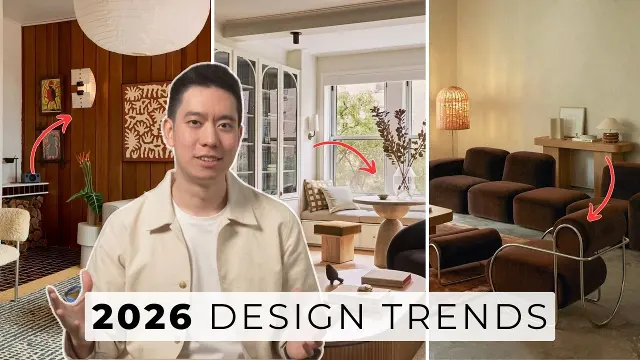
 Practical Interior Design Trends for Real Residential Homes
#Decorating Checklist
1 ideas
Practical Interior Design Trends for Real Residential Homes
Get new #Decorating Checklist ideas by email
Every Thursday: the week's best ideas, with the newest from #Decorating Checklist.
Related tags
A Decorating Checklist for a Home That Works
Decorating a home is rarely one decision. It is a long series of small ones, made in a different order every time, and the reason a checklist helps is simple: it keeps the small decisions from being made twice. A checklist is not a set of rules about taste. It is a way of working through a room so that the practical questions are settled before the pleasing ones, and so that nothing expensive gets decided in a hurry.
Start with how the room is actually used rather than how you would like it to look. Where do people walk, sit, put things down, wait, argue, eat? A room that suits its real habits will forgive a great deal of imperfect decorating; a beautiful room that fights its own daily life will not.
Before You Buy Anything
- Measure the room properly, including doorways, window heights and the swing of any doors.
- Write down what must stay: a piece of furniture, a view, a colour you love or cannot bear.
- Decide the budget, and decide separately what you would spend on the one thing you care most about.
- Note the light: which way the windows face, where sun lands in the morning and evening, and where it is gloomy at midday.
- Clear the room as far as you can. It is much easier to see what a space needs when it is half empty.
Read more
The Layer That Comes First
Walls, floors and ceilings set the tone, and they are the hardest things to change later, so they deserve the most thought. A common approach is to keep the large, fixed surfaces calm and let colour arrive in things you can move. Another is to commit to a strong wall colour and keep everything else quiet. Both work. What tends to fail is doing both at once without a reason.
Flooring and lighting deserve early attention because they are structural in practice. Rugs define where a conversation or a meal happens; light in layers, from overhead, from a lamp at reading height and from something low and soft, makes a room feel finished in a way no single fixture can.
Furniture, Then Soft Things
Work out the arrangement before you fall in love with a sofa. Sketch it, or mark the floor with tape, and check that you can move between things without turning sideways. Leave breathing space around large pieces; crowding is the most common reason a decorated room still feels unsettled.
Then textiles: curtains, cushions, throws, bedding. They carry texture and colour, they soften sound, and they are the easiest layer to change when your taste shifts. Beginners often buy these last, which is sensible, because by then the room has told you what it wants.
Finishing, and Knowing When to Stop
Art, mirrors, plants, books, objects with a story. Hang pictures at a comfortable eye level, group small things rather than scattering them, and give empty wall some room to be empty. Then live in the room for a while before adding more. Most rooms are finished by subtraction, not by another purchase.
Keep the checklist somewhere you can see it, and let it be a working document. Cross things out, add what you learn about the room, and revisit it when the light changes with the seasons. Decorating well is less about getting it right the first time than about paying attention over time.
#Decorating Checklist: frequently asked questions
How should I start decorating a room when I don't know where to begin?
Begin with how the room is actually lived in rather than with a look you admire — note where people walk, sit, eat and set things down, because a room that suits its real habits forgives a lot of imperfect decorating. Before buying anything, measure properly, write down what has to stay, settle your budget, and clear the space as far as you can so you can see what it needs.
What do I need to sort out before buying furniture or accessories?
The fixed surfaces come first: walls, floors and ceilings set the tone and are the hardest to change later. Flooring and lighting deserve early thought too, since rugs define where a conversation or meal happens and layered light makes a room feel finished. Work out the furniture arrangement before you commit to a large piece — sketch it or tape it out on the floor — and only then choose curtains, cushions and other textiles, which are the easiest layer to change.
Should I use a bold wall colour or keep the walls neutral?
Either approach can work well: you can keep the large surfaces calm and let colour arrive in things you can move, or commit to a strong wall colour and keep everything else quiet. What usually fails is doing both at once without a reason behind it. Pick the one that matches the room's light and how you want to feel in it, then let the rest of the choices follow from that decision.
What are the most common mistakes people make with a decorating checklist?
Crowding is the biggest one — leaving no breathing space around large pieces is the most frequent reason a decorated room still feels unsettled. Another is buying soft furnishings or art too early, before the room has told you what it wants, and treating the checklist as a one-time set of rules instead of a working document. Most rooms end up finished by subtraction rather than by another purchase.
How do I know when a room is finished?
When the practical questions are settled and the space feels comfortable to move through and use, you are close. Add art, mirrors, plants and objects with a story, group small things rather than scattering them, and leave some wall deliberately empty, then live in the room for a while before adding more. Revisit the checklist when the light changes with the seasons instead of chasing a final, finished state.
How do I keep a decorating plan from going off track over time?
Keep the checklist somewhere visible and treat it as a working document — cross things out, add what you learn about the room, and revisit it as your habits and the light change. Decorating well is less about getting it right the first time than about paying attention over time, so small revisions are part of the process rather than a sign you got it wrong.
Videos come from YouTube and posts from Instagram; titles and summaries are our own. All rights belong to their creators.