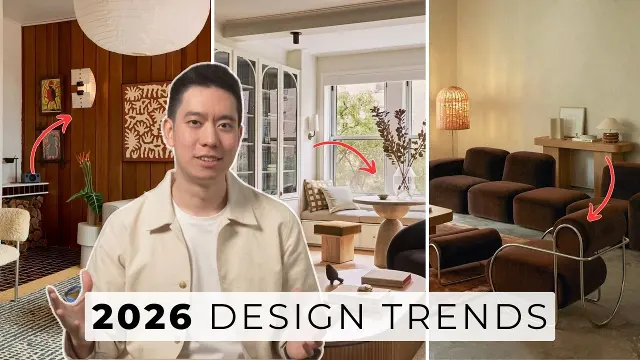
 Practical Interior Design Trends for Real Residential Homes
#Practical Design
1 ideas
Practical Interior Design Trends for Real Residential Homes
Get new #Practical Design ideas by email
Every Thursday: the week's best ideas, with the newest from #Practical Design.
Related tags
Practical Design: Making Everyday Spaces Work
Practical design begins with a simple question: what does this need to do? Rather than starting from a picture of how a room should look, it starts from how it will be used — where the bags land when you come in, how many people sit down to eat, which cupboard you open with wet hands. The result is rarely flashy, but it tends to feel calm and generous, because nothing is fighting the life happening around it.
The idea is not new. Builders and craftspeople have always shaped homes around weather, work and available materials, and the principle that usefulness should drive form has surfaced again and again in design thinking. What matters now is less the history than the habit of looking honestly at how a space is actually lived in.
Start with what already happens
Before changing anything, watch the room for a week. Note where clutter collects, which chair nobody sits in, where the light is good in the morning. Those observations are more useful than any style guide, and they usually point to a fix — a hook by the door, a lamp moved closer to the reading chair — that costs little and solves a real problem.
Read more
Three tests for anything you bring in
- Does it do its job well, without fuss or special handling?
- Will it survive everyday use and still look acceptable after a few years?
- Does it fit the space and the people in it, including anyone who is short, tall, older or clumsy?
If an object fails the first two, no amount of charm will keep it useful.
Materials and maintenance
Practical choices favour finishes that improve or at least forgive wear: wood that can be sanded, stone and tile that shrug off spills, washable covers, matte surfaces that hide fingerprints. Think about cleaning honestly. A delicate surface in a busy kitchen becomes a chore, and a chore becomes resentment. Repairability matters too — a hinge that can be replaced, a cover that can be re-sewn, a lamp with a standard fitting.
Light, storage, movement
Good practical design solves storage before decoration: somewhere for everything, ideally where it is used. Lighting should follow tasks rather than walls, with a few layers you can switch on separately. And keep paths clear — a room that is easy to walk through feels larger and kinder than one arranged for photographs.
Where beauty belongs
Practical does not mean plain. Colour, texture and one or two things you simply love belong in the plan, because a room you enjoy is a room you look after. The difference is that decoration sits on top of a working base rather than replacing it.
For beginners
Change one thing at a time and live with it. Measure before buying. Prefer fewer, better-chosen pieces. Keep receipts and be willing to admit a choice was wrong — the point is a home that works, not a scheme that is finished.
#Practical Design: frequently asked questions
How do I start applying practical design to a room that already feels cluttered?
Live with the room as it is for a while and pay attention instead of shopping: notice where bags and post pile up, which seat nobody uses, and where the morning light actually falls. Those observations usually point to a small, cheap fix such as a hook by the door or a lamp moved closer to a chair. Change a single thing at a time and live with it before deciding what comes next.
What do I need to do before buying anything for a practical room?
Measure the space and the route people walk through it, then write down what the room genuinely has to do — seating for meals, somewhere for wet coats, a clear path to the garden. Bring your own measurements and a rough idea of your habits when you shop, rather than a picture of a finished scheme. Fewer, better-chosen pieces almost always serve a home better than a full set bought at once.
How do I choose between something practical and something I simply love?
Ask first whether it does its job without fuss, and whether it will still look acceptable after years of daily use — if it fails either test, charm won't rescue it. Once an item passes, colour, texture and a couple of things you genuinely adore belong in the plan, because a room you enjoy is one you'll maintain. The aim is decoration layered over a working base, not decoration in place of one.
How should I care for practical materials so they stay practical?
Choose finishes that forgive wear rather than ones that demand special handling: wood that can be sanded back, tile and stone that shrug off spills, washable covers, matte surfaces that hide marks. Be honest about cleaning — a delicate surface in a busy kitchen quietly turns into a chore. Repairability counts as care too, so favour hinges, covers and lamp fittings that can be replaced or re-sewn instead of thrown away.
What mistakes do people make when trying to design practically?
The most common is starting from how a room should look rather than how it will be used, which produces spaces that fight the life happening in them. Others are buying before measuring, treating storage as an afterthought, and arranging furniture for photographs while leaving walkways cramped. Being willing to admit a choice was wrong and returning it is part of the process, since the goal is a home that works rather than a scheme that looks finished.
Can practical design suit a small entryway or a home with young children?
Yes — these are exactly the situations it was made for, because usefulness drives every choice. Solve storage where it is needed, keep the walking route clear, and light the tasks people actually perform there rather than the walls. In a household with children, forgiving finishes and washable covers do more for how the space feels than any decorative touch.
Videos come from YouTube and posts from Instagram; titles and summaries are our own. All rights belong to their creators.